Maintenance & Troubleshooting
Routinely inspecting the tension on hanging straps and the integrity of polymer shells prevents the gradual material fatigue that leads to catastrophic drops. Focus your maintenance on cleaning dust from mesh ventilation and tightening fastener systems to counteract the vibrations of daily closet door usage.
Common Failure Modes
Over time, mechanical stress and material degradation can compromise the safety of your stored items.
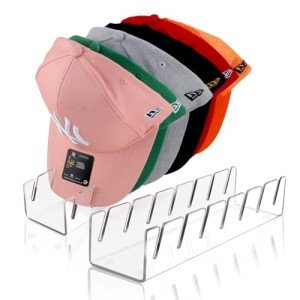
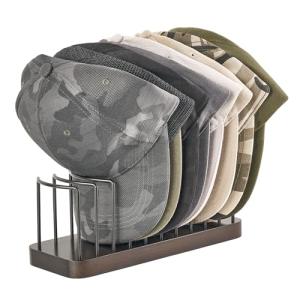
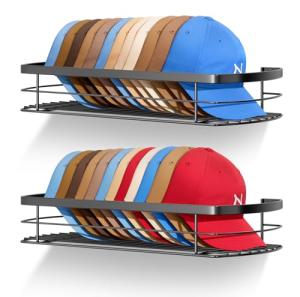
- Prevent Overload Deformation by rotating heavier hats to lower tiers to stop metal racks from bending.
- Address Textile Fiber Thinning by reinforcing high-stress top seams with iron-on fabric patches before a tear develops.
- Reduce Abrasive Wear by applying a thin layer of clear nylon tape to any metal clips that have lost their smooth coating.
- Mitigate Creep Deformation in plastic hooks by avoiding maximum weight capacities, which keeps the polymer within its elastic limit.
- Counteract Stitch Failure by hand-sewing a cross-stitch reinforcement at the junction where the hanger meets the main body.
- Stop Mold Growth by placing silica desiccant packets inside the organizer bins to absorb trapped moisture.
- Avoid Small Hardware Failure by replacing generic adhesive strips with screw-in hardware for a permanent, high-load bond.
Environmental Stress Factors
The atmosphere within your closet plays a critical role in the preservation of storage hardware and hats.
- To combat High Humidity Acceleration, install a small closet dehumidifier to prevent cardboard supports from losing their structural rigidity.
- Shield organizers from UV Embrittlement by using blackout curtains or UV-filtering film on any nearby windows to preserve plastic flexibility.
- Manage Dust Load by using a HEPA-filtered vacuum attachment on fabric surfaces monthly to prevent grit from abrading hat fibers.
- Neutralize Temperature Extremes in attics by adding weather stripping to the closet door to stabilize the expansion and contraction of joints.
Key Components
Modern hat storage relies on specific engineering elements to maintain shape and accessibility.
- The primary Load Bearing Frame must be checked for plumb alignment to ensure weight is transferred vertically rather than shearing the fabric.
- An intact Upholstery Fabric Layer is vital; if it pills or thins, it should be covered with silk or acid-free tissue to protect felt hats.
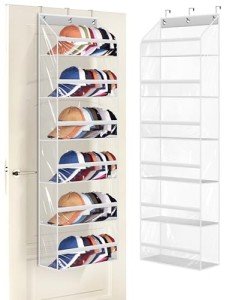
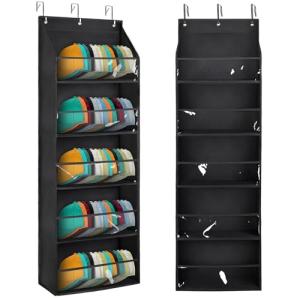
- Inspect the Fastener System on door-mounted units weekly to ensure the tension hasn't slackened from door impacts.
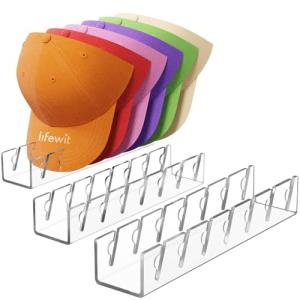
- Check the Polymer Shell for hairline fractures, which indicate the plastic is reaching the end of its fatigue life.
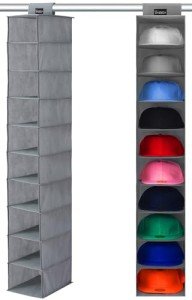
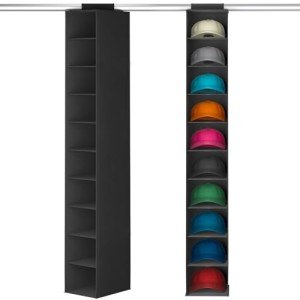
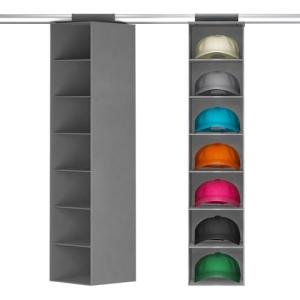
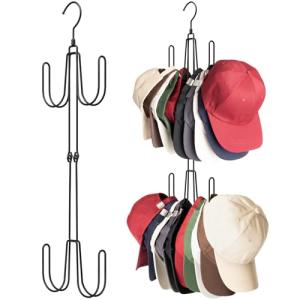
- Standard Hanging Closet Organizers require wide-strap attachment points to prevent concentrated stress on the closet rod.
- The Airflow Ventilation System should remain unobstructed by other clothing to prevent the buildup of gasses that yellow hat sweatbands.
Related Categories
If you are researching full-room setups, you may also want to review the failure expectations for these related devices: