Maintenance & Troubleshooting
Monitoring the torque of shelf fasteners every six months prevents the lateral swaying that leads to joint failure. Keeping shelf spans under 24 inches for heavy winter gear is the most effective way to eliminate permanent structural warping.
Common Failure Modes
Even robust closet systems can succumb to mechanical and material stresses over time if not properly monitored and maintained.
- Repeated loading of heavy winter gear can lead to cyclic fatigue; rotate heavy coats to the edges of the shelf where the frame is most rigid.
- Overstuffing shelves often results in overload deformation; use central support brackets for any shelf carrying more than 15 lbs per linear foot.
- Soft goods left in place for years might experience compression failure; unpack and shake out items quarterly to allow foam and natural fibers to recover their loft.
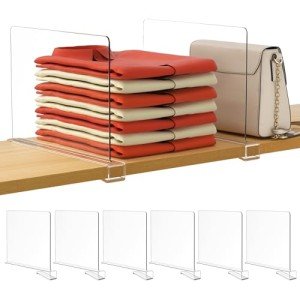
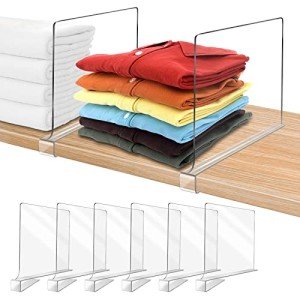
- Poorly distributed weight across a divider can trigger structural warping; place dividers directly over the shelf's vertical support pins to maximize stability.
- In high-traffic closets, moving parts are susceptible to abrasive wear; vacuum the shelf tracks monthly to remove the grit that grinds down plastic sliding surfaces.
- Frequent reconfiguration of adjustable units can eventually lead to joint loosening; apply a drop of thread-locker or archival-safe adhesive to loose pins to restore structural integrity.
- Materials treated with certain finishes may suffer from coating peeling; avoid using ammonia-based cleaners which can dissolve the bond between the coating and the base material.
Environmental Stress Factors
The climate inside your closet plays a critical role in the longevity and appearance of your organizational tools.
- Poorly ventilated closets often suffer from high humidity; leave the closet door slightly ajar daily to encourage airflow and prevent fiber softening.
- Excessive moisture in the air is a primary driver for mold growth; place silica desiccant packets on upper shelves to absorb ambient vapor before it penetrates porous wood frames.
- In laundry-adjacent closets, the accumulation of a dust load creates mechanical friction; use a handheld vacuum on a low-suction setting to clear bins without scratching the finish.
- Small gaps in closet baseboards may lead to pest intrusion; seal corner joints with silicone to block the entry points that allow insects to reach your organic fabrics.
Key Components
The reliability of a closet organizer is determined by the quality and engineering of its core structural elements.
- The primary stability of your setup depends on load bearing frames, which must be rated for the specific tensile strength required by your heaviest storage bins.
- For units featuring pull-out functionality, a high-quality sliding rail prevents the binding that occurs when plastic tracks warp under uneven loads.
- Every connection point relies on a secure fastener; look for steel hardware rather than plastic clips to ensure long-term vertical alignment.
- The outer structural housing defines the load path; choosing a housing with reinforced corners significantly reduces the risk of buckling.
- Designers often use a polymer shell for bins because of its high impact resistance compared to standard brittle plastics.
- The integrity of multi-material organizers is maintained by an adhesive bond layer that must be archival-safe to prevent off-gassing and garment discoloration.
Related Categories
If you are researching full-closet setups, you may also want to review the failure expectations for these related devices:
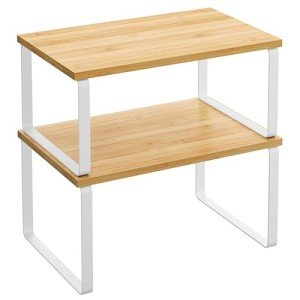
- For increasing vertical density, review the structural limits of adjustable shelf risers.
- If you are managing long-term storage in damp areas, investigate vacuum storage bags for their moisture-seal capabilities.
- To protect structured accessories from collapse, evaluate the rigid support of handbag closet organizers.
- Prevent brim distortion and material rot by researching hat organizers for high-shelf placements.