Maintenance & Troubleshooting
Preventing structural collapse requires a biannual inspection of all load-bearing fasteners to ensure they haven't been loosened by the vibrations of daily drawer or door cycles. Monitoring for polymer softening in high-humidity zones is the only way to prevent chemical transfer between the organizer and delicate exotic skins.
Common Failure Modes
Even the most robust storage systems face mechanical and material degradation over years of consistent use and heavy weight loads.
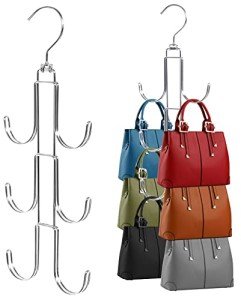
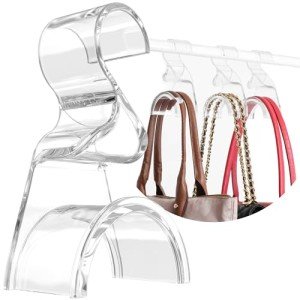
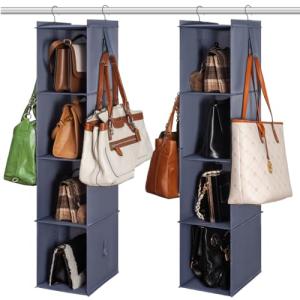
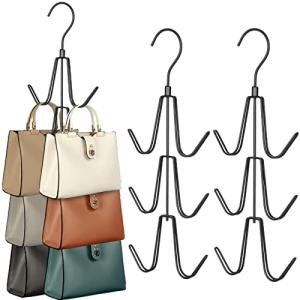
- Overloaded hanging systems often suffer from cyclic fatigue; rotate your heaviest totes to fixed shelving to alleviate constant stress on the closet rod hooks.
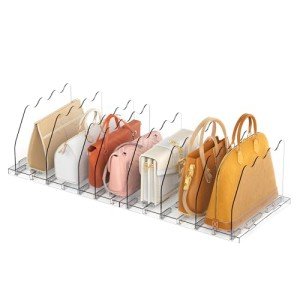
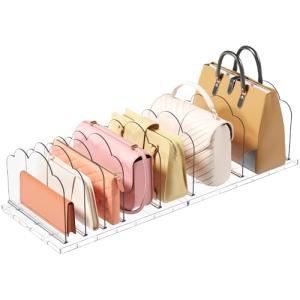
- Acrylic and plastic dividers may experience stress cracking; avoid forcing wide bags into narrow slots and check for hairline fractures near the base monthly.
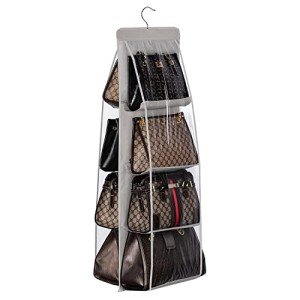
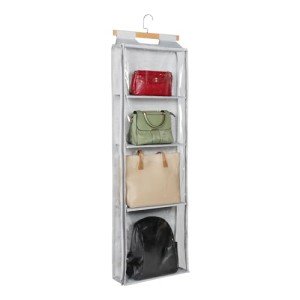
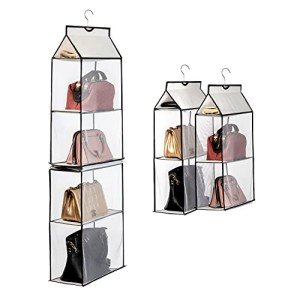
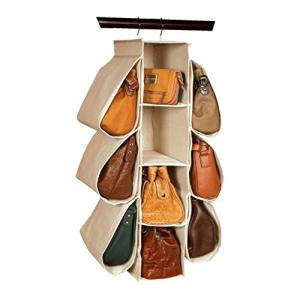
- Soft-sided fabric organizers frequently exhibit textile fiber thinning; reinforce high-pressure contact points with adhesive-backed moleskin to prevent the metal hangers from tearing through the weave.
- Improperly balanced organizers can lead to structural warping; distribute weight evenly across the horizontal plane to prevent the frame from twisting and jamming closet doors.
- Frequent movement of sliding components in modular systems can result in abrasive wear; apply a dry silicone lubricant to tracks to ensure the mechanism operates without grinding.
- Over time, the weight of heavy clutches stored on thin shelves may cause creep deformation; place rigid baseboards inside fabric cubbies to provide a flat, non-sagging surface for heavy items.
Environmental Stress Factors
The climate inside your closet plays a pivotal role in the longevity of both your organizers and your valuable handbags.
- Storing organizers near windows leads to high UV exposure; use opaque dust covers or UV-blocking window film to stop clear polymers from yellowing and leather finishes from fading.
- In poorly ventilated spaces, high humidity acceleration encourages mold; place silica desiccant packets inside the organizer cubbies to maintain a dry micro-climate.
- Insects seeking nesting materials can cause damage through pest intrusion; store natural fiber organizers in sealed bins during the off-season and vacuum the closet corners monthly to disrupt nesting cycles.
Key Components
High-quality organizers rely on specific engineered parts to provide a safe, neutral environment for sensitive luxury goods.
- The load bearing frame serves as the primary skeleton, ensuring the weight of the collection is transferred directly to the closet's structural studs.
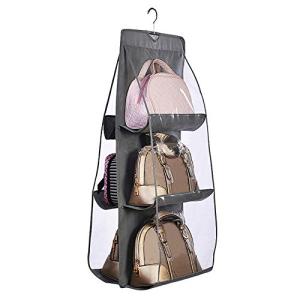
- Clear dividers are often made of a durable polymer shell, which must be archival-safe to prevent off-gassing that can damage handbag glues.
- Many hanging models utilize a hinge pivot assembly, allowing for 360-degree rotation without putting torque on the closet rod.
- Protective barriers are reinforced with structural housing to maintain a consistent internal volume and prevent bags from being squashed by neighboring items.
- The use of a fastener ensures that the vertical hanging unit remains plumb even when loaded with asymmetrical weight.
Related Categories
If you are researching a full-wardrobe reconfiguration, you may also want to review the failure expectations for these related devices:
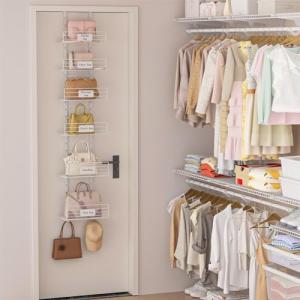
- To manage folded garments on the same shelf as your bags, investigate the stability of closet shelf organizers.
- Coordinate your accessories with a vertical storage strategy by reviewing shoe cubbies.
- For categorizing small evening clutches and loose accessories, consider the durability of closet storage bins.