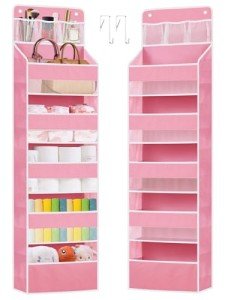
Maintenance & Troubleshooting
Periodically rotating heavy items to the bottom shelves prevents the top-heavy loading that causes seam separation and hook fatigue. If internal support boards begin to bow, reinforcing them with thin plywood or rigid plastic inserts can halt permanent structural collapse.
Common Failure Modes
Over time, mechanical stress and weight distribution can lead to several specific structural issues in fabric-based hanging systems.
- Repeated loading and unloading of heavy garments often leads to Cyclic Fatigue Failure; mitigate this by avoiding rapid "yanking" of items which snaps weakened fibers.
- Storing heavy winter gear for months can cause permanent Structural Warping; use the lowest shelf for your heaviest boots or coats to keep the frame aligned.
- The concentrated weight on the top hanging attachment frequently results in Stitch Failure; inspect seams quarterly and use a heavy-duty needle to reinforce thinning threads before they snap.
- Low-quality organizers may experience Overload Deformation; strictly adhere to the manufacturer’s weight rating to prevent the top support bar from snapping.
- Constant friction from sliding bins in and out of the cubbies can cause significant Abrasive Wear; apply adhesive felt strips to the bottom of bins to reduce textile erosion.
- The gradual stretching of textile loops under constant tension is a classic case of Creep Deformation; give the unit a "rest" by emptying it once a year to allow fibers to recover their shape.
- Internal support boards made of low-grade cardboard are susceptible to Moisture Swelling; place a small dehumidifier or silica packets in the closet to keep cardboard inserts dry and rigid.
Environmental Stress Factors
The atmosphere within your home plays a critical role in the degradation or preservation of organizer materials.
- Excessive moisture in the air can lead to High Humidity Acceleration; ensure at least two inches of space behind the unit for airflow to prevent mold colonization.
- Natural fibers in organizers are often at risk of damage from Pest Intrusion; use cedar blocks or lavender sachets within the compartments to repel fabric-eating larvae.
- Open-front designs are particularly vulnerable to a heavy Dust Load; use a handheld vacuum with a brush attachment monthly to prevent grit from settling into the weave.
- Organizers placed near windows may suffer from High UV Exposure; keep closet doors closed during peak sunlight hours to prevent the photodegradation of synthetic fibers.
Key Components
Each organizer relies on a combination of structural and aesthetic elements to provide reliable storage capacity.
- The core strength of the unit is derived from the Load Bearing Frame which distributes weight to the closet rod.
- Most organizers utilize a durable Upholstery Fabric Layer to provide a soft yet tear-resistant exterior.
- The rigidity of each individual shelf is maintained by a hidden Polymer Shell or reinforced insert board.
- Top attachments usually feature a robust Fastener System such as industrial-strength hook-and-loop or steel hooks.
- To maximize airflow around stored clothes, many units include an integrated Airflow Ventilation using mesh side panels.
- Internal layers are often held together by a high-strength Adhesive Bond Layer that prevents delamination of the fabric.
Related Categories
If you are researching full-room storage setups, you may also want to review the failure expectations for these related devices: