Mastering Bulk Storage to Maximize Savings and Pantry Space
Moving toward bulk purchasing is a smart financial decision, but storing large quantities of dry goods like flour, rice, pet food, or snacks requires thoughtful organization. This category is essential for transforming disorganized pantries into efficient, long-term storage zones. For families, managing bulk food successfully drastically reduces frequent grocery trips and simplifies meal planning. It protects valuable resources from moisture, dust, and common household pests . If you are a small-space dweller or a renter, bulk storage solutions must prioritize verticality and visibility, since floor space is precious . The goal is to maximize capacity while keeping heavy goods securely sealed and easy to access, turning a challenging task into a streamlined, efficient system.
Choosing Solutions for High-Volume Storage
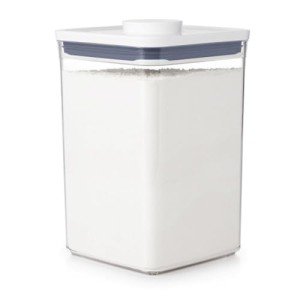
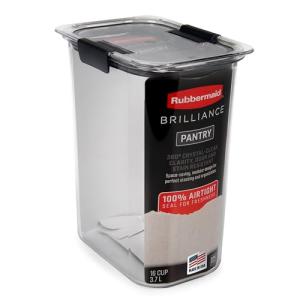
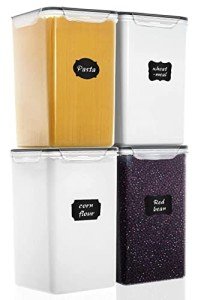
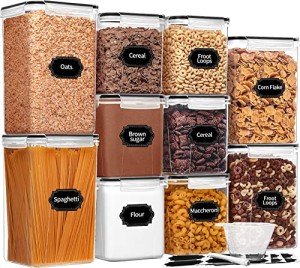
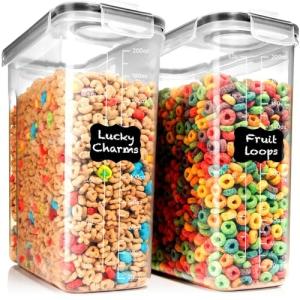
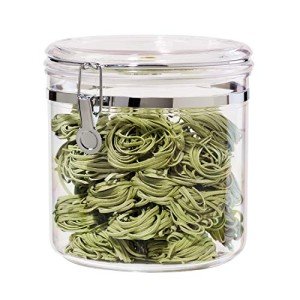
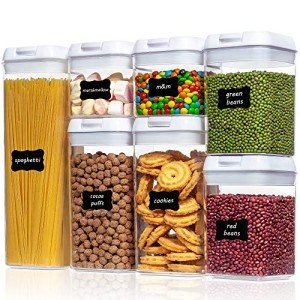
Selecting the right bulk storage items depends on what you are storing and how often you need to access it. For grains and baking supplies, moisture prevention is critical. You should look primarily at large airtight containers which create a formidable seal, keeping pests out and freshness locked in . These containers often feature wide mouths, making them simple to scoop from, and are frequently designed to maximize deep shelf space.
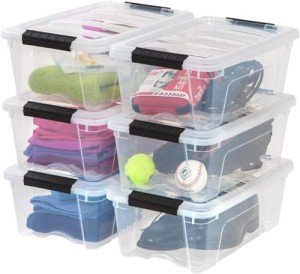
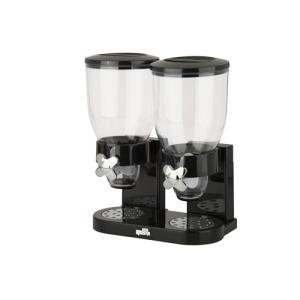
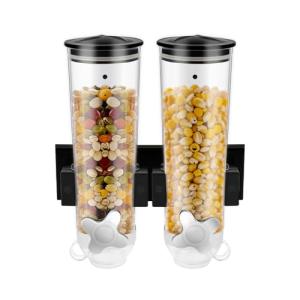
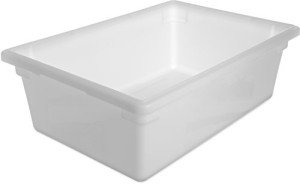
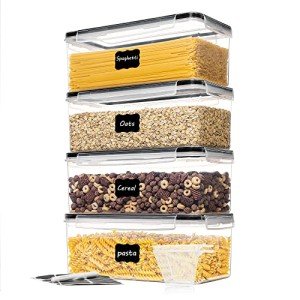
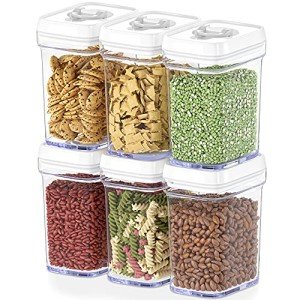
If you are dealing with less frequently accessed goods or have high vertical shelving, consider using stackable dry goods bins . Stackability is crucial in narrow pantries as it leverages vertical real estate effectively. For high-traffic snacks, cereal, or coffee beans, accessibility is key. In this case, specialized systems like gravity-fed food dispensers allow for quick, mess-free portioning without having to open and reseal the entire container every time . For those with very limited pantry depth, or who want to free up shelf space entirely, wall-mounted grain containers are an excellent choice . These units typically store ingredients like oats or pasta high up and rely on gravity for dispensing, which keeps countertops clear.
Material also matters greatly. If you are focused on health and minimizing chemical exposure, seek out BPA-free bulk storage tubs . Regardless of the style, always choose durable, transparent materials when possible. This lets you quickly assess inventory levels, preventing over-buying when you are rushing through your shopping list.
Combining Bulk Systems with Pantry Organization
Bulk Food Storage functions as the foundation of your entire food system, integrating seamlessly with more specialized categories within Pantry Storage & Food Systems. Think of your large, large airtight containers as your warehouse. You store the primary supply here, but daily use items should be decanted into smaller, more accessible systems.
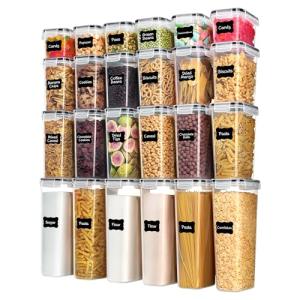
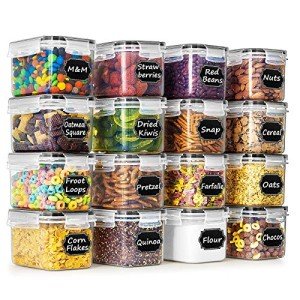
For instance, once your 20-pound bag of flour is stored in a bulk tub, you can refill your smaller, daily use containers found in the Dry Goods Container Sets category. This practice keeps the main storage container sealed and protected while maintaining convenience.
Effective bulk organization also works alongside space-saving techniques. When bulk items take up significant shelf area, you need to use remaining space wisely for other categories. Utilize the Under-Shelf & Hanging Storage solutions to keep frequently used items like foil or small spice jars accessible beneath the bulky containers. Small jars, spices, and seasonings should be managed by specialized units in Spice & Seasoning Organization so they do not get lost beside large bins. Similarly, using tiered risers found in Can & Jar Storage can ensure that canned goods don't get overlooked or buried. Organizing your bulk goods well allows your complementary systems, like those for snacks or beverages, to function much more smoothly.
Ready to build a smart, durable, and space-saving food inventory system? Explore all the possibilities within the comprehensive Pantry Storage & Food Systems category today.