Maintenance & Troubleshooting
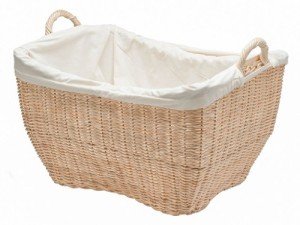
To prevent fiber snapping, you must lightly mist natural wicker quarterly to maintain the internal moisture balance required for flexibility. Regularly inspecting the base for abrasive thinning allows you to apply protective felt buffers before the primary structural weave begins to unravel.
Common Failure Modes
Natural woven materials are susceptible to specific structural and surface issues over time due to heavy loads and repeated handling.
- Prevent Structural Warping by avoiding the storage of damp, heavy towels at the bottom of the basket, which forces the lower fibers to bow under weight.
- Stop Stitch Failure by lifting the basket from the base rather than the rim to ensure the vertical load is supported by the frame rather than the decorative weave.
- Mitigate UV Embrittlement by keeping the basket away from direct sunlight; UV rays break down lignin, making the stalks snap under the slightest pressure.
- Address Coating Peeling by applying a thin layer of clear furniture wax once a year to reseal the fibers against moisture and snagging.
- Reduce Abrasive Wear by placing the basket on a rug or using stick-on nylon glides to prevent the floor from grinding down the bottom-most weave.
- Combat Hinge Fatigue by checking the flexibility of woven connectors; if they feel stiff, apply a specialized wicker conditioner to prevent snapping during operation.
Environmental Stress Factors
The placement of your basket significantly dictates its lifespan, as natural materials react strongly to their surroundings.
- Manage High Humidity Acceleration by ensuring the basket is elevated on feet to allow airflow underneath, preventing the fibers from softening and collapsing.
- Inhibit Mold Growth by never placing a lid on a basket containing damp clothes; the lack of ventilation creates a micro-climate perfect for fungal spores.
- Correct Low Humidity Desiccation by using a humidifier in winter months to keep the wicker from becoming so dry that it splinters into your linens.
Key Components
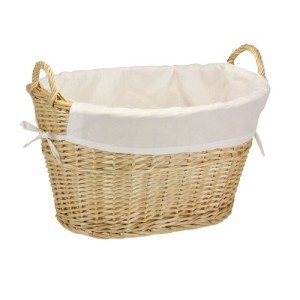
Every wicker basket relies on a combination of organic materials and hidden supports to function effectively under pressure.
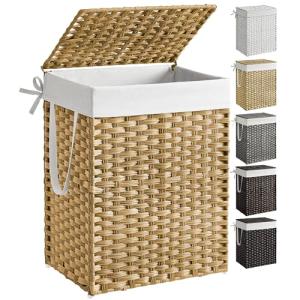
- The Load Bearing Frame, typically made of wood or metal wire, is the essential skeleton that keeps the woven walls from buckling under lateral pressure.
- A rigid Structural Housing at the base ensures the weight of the laundry is distributed across the entire footprint rather than focused on a single fiber.
- The Upholstery Fabric Layer acts as a sacrificial barrier; always use a liner to prevent clothing from catching on the "check-cuts" of the natural weave.
- An effective Surface Coating of lacquer or sealant is vital for preventing the fibers from absorbing environmental stains and moisture.
- The Fastener System should be checked monthly; leather straps require conditioning, while metal toggles must be checked for rust that can rot the surrounding wicker.
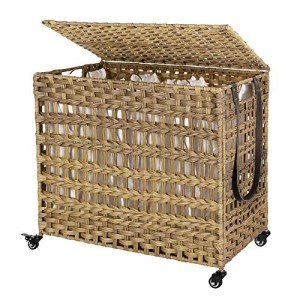
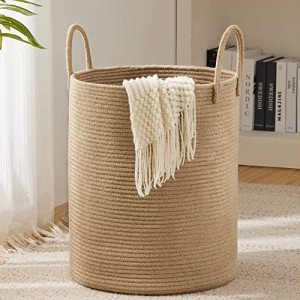
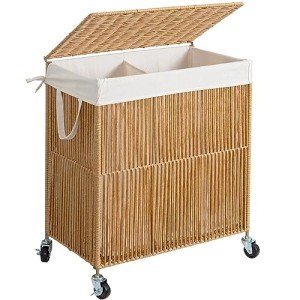
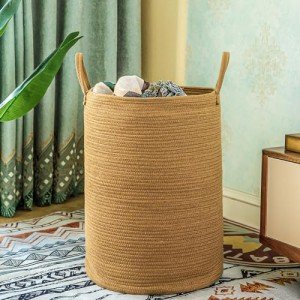
If you are researching alternative materials or need more mobile laundry solutions, you may also want to review the hardware expectations for these related devices: