Maintenance & Troubleshooting
Preventing chemical embrittlement requires rinsing the basket after any contact with concentrated bleaches or heavy detergents that strip plasticizers from the resin. Regularly inspecting the handle joints for white stress-marks allows you to reduce load weights before a catastrophic structural snap occurs.
Common Failure Modes
Even the most resilient plastics can succumb to physical stress and repetitive handling over time, leading to specific structural issues.
- To prevent Cyclic Fatigue, avoid "swinging" the basket while loaded, as this lateral momentum accelerates the formation of stress cracks in the handles.
- Stop Creep Deformation by emptying the basket immediately after transport; leaving heavy loads inside for days will permanently bow the base and walls.
- Avoid an Impact Fracture by letting the basket warm to room temperature before use if it has been stored in a cold garage, as cold polymers lose their ability to absorb shocks.
- Mitigate Overload Deformation by using two hands on the reinforced rim sections rather than a single-handed grip which concentrates all the stress on one point.
- Prevent Stress Cracking by wiping away detergent spills immediately; surfactants can migrate into the plastic's molecular structure and cause premature brittleness.
- Reduce Abrasive Wear by lifting the basket instead of dragging it across abrasive surfaces like concrete or rough tile to preserve the thickness of the bottom panel.
Environmental Stress Factors
The environment in which you store your laundry baskets significantly impacts the molecular stability of the plastic resin.
- Inhibit High UV Exposure by storing your bins in a closet or under a counter; sunlight triggers photo-oxidation that turns flexible plastic into a chalky, breakable mess.
- Manage Temperature Extremes by avoiding storage in uninsulated attics, as heat cycles accelerate the leaching of the essential oils that keep the basket pliable.
- Prevent High Humidity Acceleration by drying the basket with a towel after use to stop the formation of slippery biofilms that can hide growing structural cracks.
- Avoid a Cleaner Compatibility Conflict by using only mild dish soap for sanitation; avoid solvent-based cleaners that can dissolve the surface finish of the polymer.
Key Components
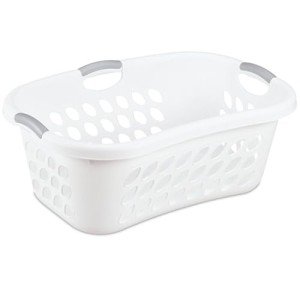
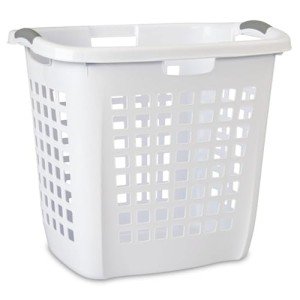
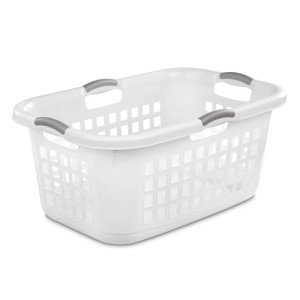
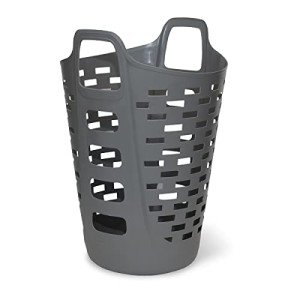
A well-engineered laundry basket relies on several critical design elements to manage weight and ensure user comfort.
- The Polymer Shell acts as the primary chassis; look for thick-walled construction that yields slightly under thumb pressure without creaking.
- A reinforced Structural Housing or rim is essential; it should be double-walled or rolled to prevent the basket from folding in on itself when carried.
- The Dispensing Mechanism (handles) should be molded as part of the primary shell rather than snapped on, ensuring the most direct and durable load path.
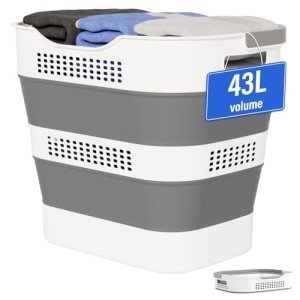
- An integrated Airflow Ventilation setup is vital; look for smooth-edged holes that aren't too large, as oversized vents can weaken the vertical ribs of the basket.
- High-end models may feature an Adhesive Bond for over-molded grips; check for any peeling at the edges which can trap bacteria and moisture.
If you are researching a more comprehensive garment care system or have specific space constraints, you might also want to review the failure expectations for these related devices: