Maintenance & Troubleshooting
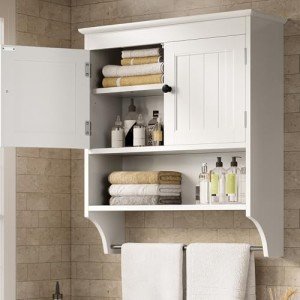
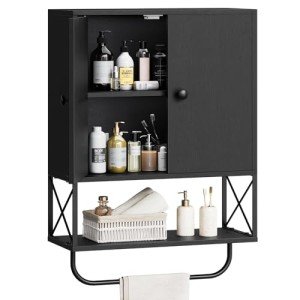
Proactive maintenance for wall-mounted cabinets involves checking the torque on wall anchors every six months to prevent the unit from pulling away due to moisture-weighted linens. Regularly applying a thin layer of dry silicone lubricant to the hinge pivot points will stop the oxidative friction that leads to metal-on-metal shearing.
Common Failure Modes
Even the highest quality bathroom cabinetry faces structural challenges due to repetitive use and the unique chemistry of personal care environments.
- To prevent coating peeling, avoid leaving damp towels hanging over cabinet doors and ensure the bathroom is properly ventilated after every shower.
- Address structural warping by rotating heavy items to the edges of shelves where they are supported by the vertical frame rather than the center.
- Combat hinge fatigue by re-aligning door screws as soon as you notice a sag to prevent uneven weight distribution on the pivot pins.
- Neutralize corrosion on small fasteners by wiping down metal hardware with a dry cloth weekly to remove the salt and moisture buildup from aerosols.
- Stop joint loosening by using a small amount of wood glue in the dowel holes during initial assembly to create a secondary chemical bond.
- Minimize surface scratching by using only pH-neutral cleaners and soft microfiber cloths; never use scouring pads on laminate or glass surfaces.
Environmental Stress Factors
The bathroom is one of the most demanding rooms in the home, requiring materials that can withstand constant atmospheric shifts.
- Counteract high humidity by running an exhaust fan for at least 15 minutes post-shower to drop the ambient moisture level below the saturation point.
- Prevent mold growth on back panels by leaving a half-inch gap between the cabinet and the wall during installation to facilitate airflow.
- Remove hard water buildup from chrome handles using a 50/50 water and white vinegar solution to dissolve mineral crusts before they pit the metal.
- Avoid a cleaner compatibility conflict by testing new disinfectants on the inside of the door to ensure the chemicals won't dissolve the protective lacquer.
Key Components
Every cabinet is an assembly of specific parts designed to handle weight while resisting the elements.
- The structural housing serves as the primary skeleton; look for solid-back designs that offer better resistance to lateral swaying.
- A high-quality hinge pivot assembly should feature adjustable screws that allow you to fine-tune the door gap as the wood settles.
- Check the glass panel for secure gaskets; loose panes are a sign of failing adhesive and can lead to dangerous vibration-induced cracks.
- The fastener system is the invisible hero; ensure wall-mount screws are driven into studs to prevent the unit from sagging under its own weight.
- The polymer shell or laminate finish is your first line of defense; inspect the edges for a tight seal to prevent water from reaching the core material.
Related Categories
If you are researching full-room storage setups or alternative bathroom layouts, you may also want to review the failure expectations for these related devices: