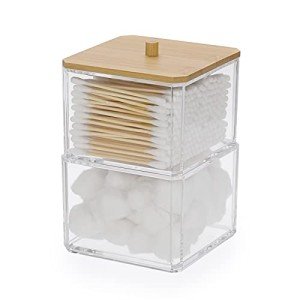
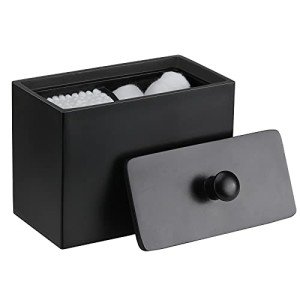
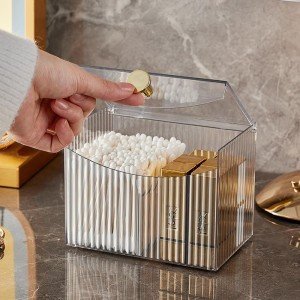
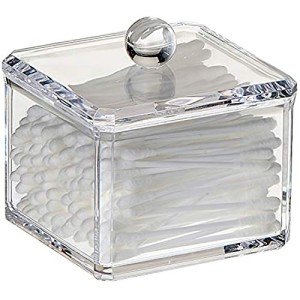
Maintenance & Troubleshooting
Preventing chemical etching on clear surfaces requires using only pH-neutral microfiber cloths to avoid creating micro-scratches that harbor bacteria. Periodically applying a food-grade silicone lubricant to hinge pivots will stop mechanical binding before the plastic tabs reach their snapping point.
Common Failure Modes
Over time, the repetitive use and harsh bathroom conditions can lead to specific mechanical and aesthetic degradations in your dispensers.
- Repetitive lid operation often leads to hinge fatigue; avoid over-extending the lid and check for hairline fractures around the pin monthly.
- Exposure to harsh bathroom cleaning agents often results in acrylic clouding; use only ammonia-free soaps to preserve the optical clarity of the plastic.
- Fine abrasives in dust can cause significant surface scratching; blot spills rather than scrubbing them to keep the finish smooth and hygienic.
- Constant pressure on rubberized components can lead to seal compression fatigue; remove the lid during deep cleans to allow the gasket to "rest" and regain its original shape.
- Frequent handling may cause joint loosening at the knob; tighten threaded fasteners by hand at the first sign of a wobble to prevent stripped threads.
- In humid environments, metal accents might suffer from corrosion; apply a thin coat of carnauba wax to metal trim to create a moisture-proof oxygen barrier.
Environmental Stress Factors
The bathroom is a uniquely challenging environment that subjects storage units to fluctuating moisture levels and chemical exposure.
- Steam from showers creates a high humidity acceleration effect; ensure bathroom ventilation is active for 20 minutes post-shower to prevent glue degradation.
- Inconsistent cleaning habits often lead to hard water buildup; use a 50/50 water-vinegar soak to dissolve mineral deposits without damaging the lid's seating.
- Using the wrong sanitizers can trigger a cleaner compatibility conflict; test new disinfectants on the bottom of the housing first to check for "crazing" or surface cracks.
Key Components
Understanding the anatomy of a lidded dispenser helps in selecting the right model for durability and hygiene.
- The structural housing dictates the unit's center of gravity; heavier bases are less likely to tip and crack on tile floors.
- A high-quality seal gasket system is essential for protecting cotton from moisture-wicking and bacteria.
- The polymer shell offers a shatter-resistant alternative to glass but requires specific non-alcohol cleaners to maintain structural integrity.
- Integrated fastener system hardware should be made of stainless steel or plastic to prevent rust-bleeding into the container contents.
- Many modern designs utilize a hinge pivot assembly, which should be inspected for smooth movement to prevent torque-loading the lid.
Related Categories
If you are researching full-room vanity setups, you may also want to review the failure expectations for these related devices: