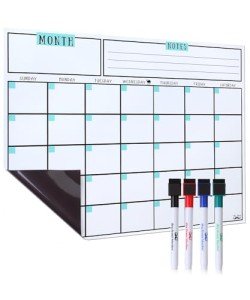
Maintenance & Troubleshooting
Preventing chemical stripping of the clear coat is the only way to avoid permanent ink penetration into the board's substrate. Regular inspections of the mounting fasteners are necessary to ensure the weight of the steel backing hasn't compromised the wall anchors over time.
Common Failure Modes
Performance issues often arise from surface degradation or mechanical stress on the mounting points over time.
- Repeated cleaning with abrasive chemicals can lead to Surface Coating degradation; only use microfiber cloths and manufacturer-approved solvents to preserve the non-porous finish.
- The heavy-duty nature of these boards means that Joint Loosening in the frame can occur; check corner miters quarterly and tighten any visible screws to maintain structural squareness.
- Excessive weight from heavy magnets can cause Structural Warping; limit the use of high-pull neodymium magnets to the edges of the board where the frame provides maximum support.
- Low-quality adhesive layers may experience Delamination; avoid installing boards near heat sources like radiators which can melt the internal bond and cause surface bubbling.
- Over-tightening during installation can lead to Stress Cracking; use rubber washers between the screw head and the board surface to distribute pressure evenly at the mounting holes.
- Frequent use of the same area for years can cause Abrasive Wear; rotate your writing tasks across the entire board surface to prevent localized erosion of the top coat.
- In cheaper models, the magnetic pull may diminish due to Adhesive Bond Failure; ensure the board is stored flat during transit to prevent the metal sheet from pulling away from the core.
Environmental Stress Factors
External conditions significantly impact the longevity and readability of your magnetic calendar board.
- Exposure to High Humidity Acceleration can cause moisture to seep behind the frame; use a dehumidifier in damp rooms to protect the internal steel sheet from rust-jacking.
- Placing boards near windows often results in High UV Exposure; use UV-resistant window films or reposition the board to prevent the writing surface from yellowing and becoming brittle.
- In workshop or kitchen settings, Dust Load creates a gritty film; always wipe the board with a dry cloth before writing to prevent airborne particles from scratching the polymer shell.
- Using the wrong sprays can create Cleaner Compatibility Conflict; avoid window cleaners or alcohol-heavy sprays that can dissolve the specialized clear coat.
Key Components
Each part of the assembly plays a vital role in maintaining a flat, magnetic, and erasable surface.
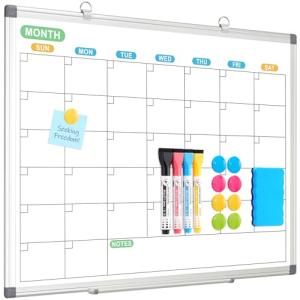
- The rigid Structural Housing ensures the board remains perfectly flat against the wall to prevent vibration while writing.
- A high-grade Polymer Shell layer provides the non-porous finish required for seamless dry-erase marker removal.
- The internal Adhesive Bond Layer keeps the magnetic steel sheet fused to the backing to prevent air pockets.
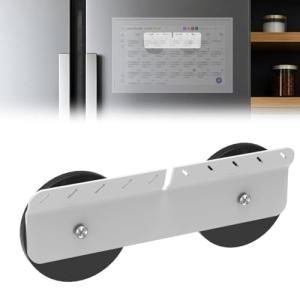
- A reinforced Fastener System is essential for securing the heavy board safely to various wall types like drywall or masonry.
- The outer Load Bearing Frame protects the sharp edges of the metal substrate while adding a decorative finish.
Related Categories
If you are researching complete organizational systems, you may also want to review the failure expectations for these related hardware categories: