Maintenance & Troubleshooting
Regularly laundering the liner in a mesh bag prevents soap scum from embrittling the polymer and allows you to inspect the structural integrity of the grommets. Managing the "dry time" between uses is the most effective way to stop the chemical softening that leads to pocket detachment.
Common Failure Modes
Even the most durable pocketed liners face specific structural challenges over time due to weight distribution and moisture exposure.
- To prevent stitch failure, distribute weight evenly across all pockets and avoid placing more than two pounds in any single mesh compartment.
- Stop mold growth by pulling the curtain fully closed after every shower to ensure the pocket folds are exposed to maximum airflow.
- Prevent small hardware failure by replacing plastic hanging rings with stainless steel roller-ball hooks that reduce friction-related stress on the grommets.
- Mitigate textile fiber thinning by rotating your heavier bath products between different pockets every month to allow the mesh to "relax."
- Avoid polymer softening by rinsing the liner thoroughly after using oil-based body washes, which can chemically degrade the waterproof film.
- Address corrosion on metal grommets by applying a thin layer of clear nail polish or silicone sealant to any visible scratches in the plating.
Environmental Stress Factors
The bathroom is a punishing environment that tests the chemical and physical limits of storage textiles.
- Counteract high humidity by using a squeegee on the liner after use, physically removing the water that would otherwise soak into the pocket seams.
- Manage hard water buildup by wiping the mesh with a diluted vinegar solution to prevent mineral crusts from making the fibers brittle and prone to snapping.
- Prevent a cleaner compatibility conflict by avoiding bleach-based sprays, which can strip the antimicrobial coatings and weaken the polymer bond of the pockets.
Key Components
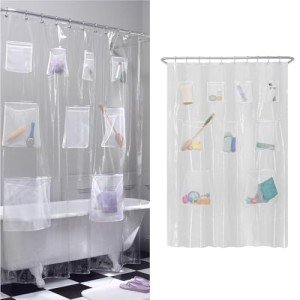
Each element of a pocketed curtain is designed to balance weight-bearing capacity with water resistance.
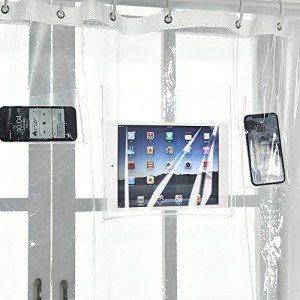
- A reinforced top structural housing is vital; look for a double-layer header with a mesh insert to prevent the shower hooks from tearing through the material.
- The primary polymer shell should ideally be made of PEVA or EVA, which provides the necessary water-repellency without the toxic outgassing of standard PVC.
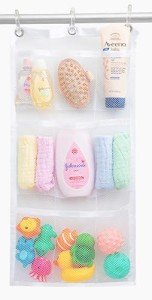
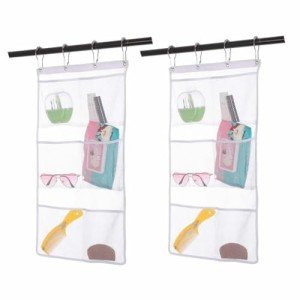
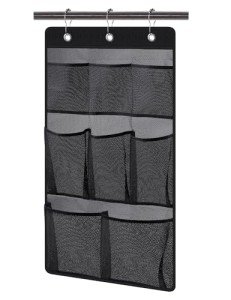
- The upholstery fabric used for the pockets must be a wide-gauge mesh to ensure that water drains instantly and doesn't pool at the bottom of the compartment.
- An secondary adhesive bond at the seam points serves as a backup to the stitching, ensuring the pocket remains attached even if a single thread snaps.
- The fastener system consists of the metal or plastic grommets; stainless steel is the benchmark for preventing the rust-staining common in humid bathrooms.
Related Categories
If you are researching full-room organization or alternative drainage solutions, you may also want to review these related hardware categories: