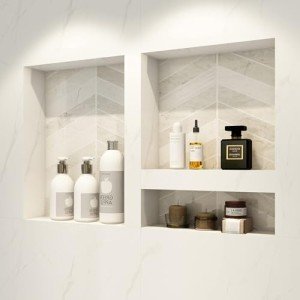
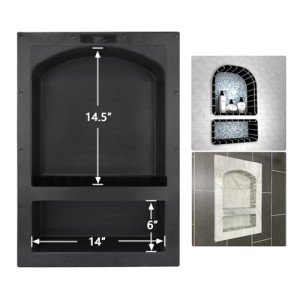
Maintenance & Troubleshooting
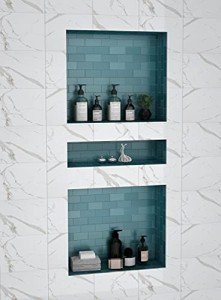
Maintaining the pitch of the niche shelf and the integrity of the perimeter silicone bead is the only way to prevent capillary action from pulling moisture behind your tiles. Regular inspections for hairline grout cracks around the niche prevent catastrophic water damage to the home's framing.
Common Failure Modes
Even the most robust recessed organizers can face issues if the installation or materials succumb to the harsh, wet environment of a bathroom.
- To prevent mold growth, use a squeegee to remove standing water from the niche floor after every shower and ensure your bathroom exhaust fan runs for at least 20 minutes.
- Avoid adhesive bond failure by using a high-modified thin-set mortar specifically rated for the material of your niche insert during the tiling process.
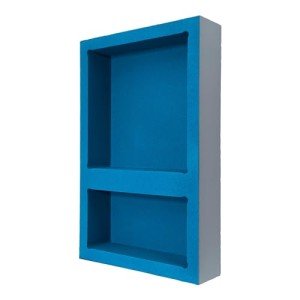
- Prevent overload deformation by opting for pre-fabricated sloped niches rather than custom-built foam boxes if you plan on storing multiple large-liter bottles.
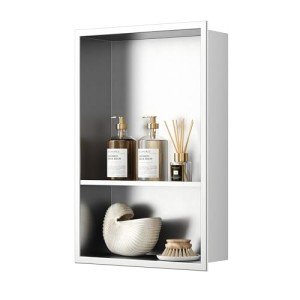
- Reduce surface scratching by placing a silicone mat on the shelf to buffer the contact between heavy ceramic bottles and the niche finish.
- Stop corrosion on metal trim by checking that the shelf has a 1/4-inch per foot downward slope to ensure water cannot pool against the metallic edges.
- You can mitigate coating peeling by strictly avoiding abrasive scouring pads; use only pH-neutral soaps and a soft cloth for weekly cleaning.
Environmental Stress Factors
The shower is one of the most demanding environments in a home, placing unique physical and chemical stresses on storage components.
- Counteract high humidity acceleration by applying a high-quality impregnating sealer to the grout lines every six months to block moisture pathways.
- Manage hard water buildup by wiping the niche with a 50/50 water-vinegar solution weekly to dissolve calcium before it etches the polymer or tile surface.
- Avoid a cleaner compatibility conflict by checking your stone or metal warranty; never use bleach on natural stone niches as it destroys the internal crystal structure.
Key Components
Every high-quality built-in niche relies on a specific set of components to maintain its structural integrity and waterproof seal.
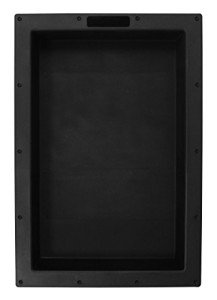
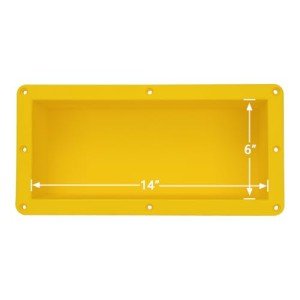
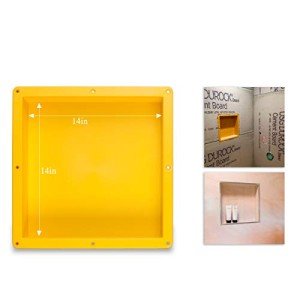
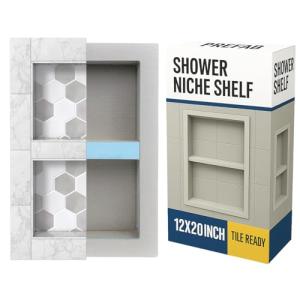
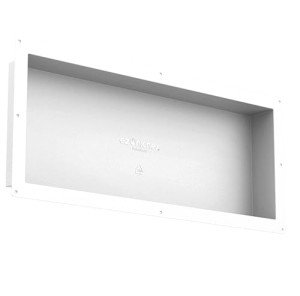
- The structural housing serves as the primary cage; look for units with a wide bonding flange to ensure a secure, leak-proof overlap with the wall's waterproofing membrane.
- A high-performance seal gasket or integrated waterproof coating is necessary to bridge the gap between the niche and the backer board.
- Selecting a niche with a polymer shell (like high-density polystyrene) offers better rot resistance than custom-framed wooden niches covered in cement board.
- If using a glass panel, ensure it is tempered and set into a sloped channel so water drains away from the rear silicone joint.
- The surface coating on pre-finished niches must be UV-stable and non-porous to resist the staining effects of dyes found in shampoos and soaps.
Related Categories
If a permanent wall renovation isn't feasible for your setup, you may want to review the failure expectations for these alternative storage devices: