Maintenance & Troubleshooting
To prevent glass panel displacement, you must inspect the internal tracks and secondary fasteners every six months to ensure the frame remains perfectly square. Regular cleaning with non-ammonia based solutions is critical to preventing chemical etching that can weaken the front viewing pane over time.
Common Failure Modes
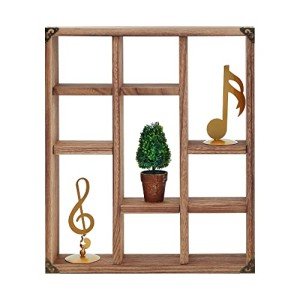
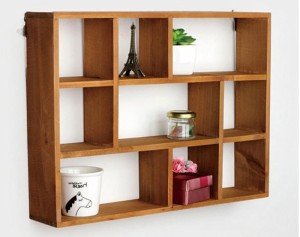
Shadow boxes are precision-engineered decor items that can experience structural or aesthetic decline if not properly maintained or installed.
- To combat joint loosening, use corner braces or high-torque wood screws to reinforce the frame's 90-degree intersections against the weight of heavy 3D objects.
- Prevent overload deformation by verifying the internal shelf thickness and avoiding the placement of solid metal or stone items that exceed the manufacturer's psi rating.
- Address structural warping by using shims during installation to ensure the unit sits flush, preventing the frame from twisting and ejecting the glass insert.
- Mitigate adhesive bond failure by keeping the unit away from HVAC vents where rapid hot-and-cold cycles can cause the glue lines to crystallize and snap.
- Stop glass microfracture from spreading by using rubber gaskets during mounting to dampen wall vibrations that would otherwise stress the edges of the panel.
- Minimize surface scratching by using only clean microfiber cloths and avoiding paper towels, which contain abrasive wood fibers that dull the protective finish.
- Fix coating peeling early by applying a clear wax or touch-up lacquer to any small nicks to prevent moisture from getting under the factory finish.
Environmental Stress Factors
The location where you mount your shadow box greatly influences its longevity and the preservation of the items stored within.
- Reduce high UV exposure damage by applying a UV-filtering film to the glass or choosing museum-grade acrylic to prevent the bleaching of interior liners.
- Control high humidity acceleration by including a small silica gel packet behind the mounting board to absorb moisture that would otherwise cause mildew on backing fabrics.
- Protect against temperature extremes by mounting the unit on interior walls rather than exterior-facing walls, which act as a heat sink and stress the fastener systems.
- Manage the dust load by ensuring the rear backing is airtight, preventing fine particles from entering the enclosure and acting as a sandpaper-like abrasive on the finish.
Key Components
Every shadow box relies on a combination of structural and protective elements to function as a high-end display solution.
- The load bearing frame serves as the primary chassis; look for solid hardwood or reinforced metal to resist the cantilevered torque of deep displays.
- A high-quality glass panel should be tempered to ensure that if a failure occurs, the pane shatters into safe fragments rather than sharp shards.
- The fastener system must include heavy-duty wall anchors or lag bolts to ensure the center of gravity remains pinned safely to the studs.
- The structural housing determines the internal depth; thicker walls are less prone to "racking" or losing their square shape over time.
- A specialized adhesive bond layer is used to secure the internal velvet or felt; low-VOC options prevent "off-gassing" that can tarnish silver or paper mementos.
- The seal gasket is a critical barrier for archival-grade boxes, as it prevents the entry of insects and ambient pollutants that degrade collectibles.
Related Categories
If you are researching specialized display hardware and wall-mounted durability, you may also want to review the failure expectations for these related devices:
- For an open-air display with fewer mechanical seals, explore the hardware requirements for floating wall shelves.
- If you require higher load capacities for books and oversized decor, evaluate the structural stability of ladder shelves.
- For displaying items in tight intersections, review the geometry and support systems of corner display units.
- If you prefer a modular, rustic organization style, look into the joint durability of wooden storage crates.