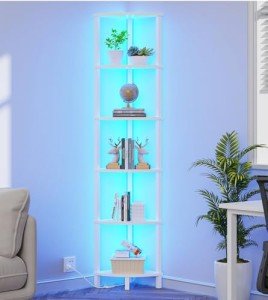
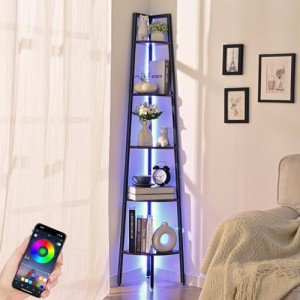
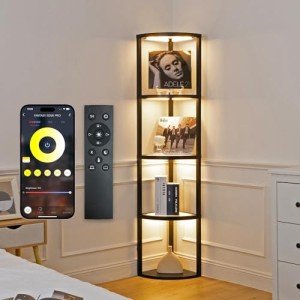
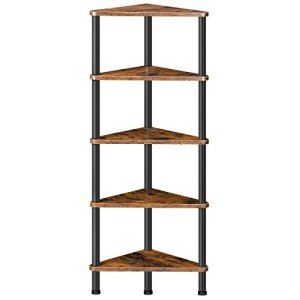
Maintenance & Troubleshooting
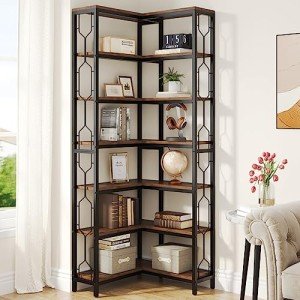
To preserve the structural integrity of a corner unit, you must check the plumb alignment of the vertical uprights every six months to ensure weight is still transferring vertically through the frame rather than laterally against the wall anchors. Tightening secondary fasteners immediately after any room temperature shift prevents the mechanical "play" that leads to permanent wobbling.
Common Failure Modes
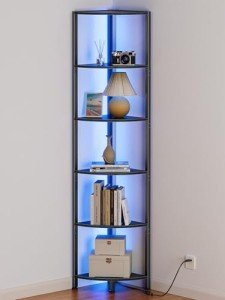
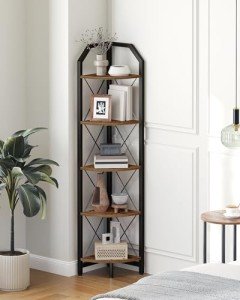
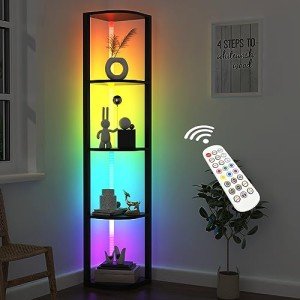
Over time, the structural integrity of a corner unit can be compromised by physical and mechanical stressors.
- Combat joint loosening by applying a non-permanent thread-locking compound to the main assembly bolts during the initial setup to prevent vibrations from backing them out.
- Prevent overload deformation by centering heavy collectibles directly over the support pins rather than in the unsupported middle span of the shelf.
- Mitigate structural warping by using a digital hygrometer to ensure your room remains between 35% and 55% humidity, which keeps wood fibers stable.
- Avoid small hardware failure by replacing plastic shelf pegs with flanged metal pins that offer a higher shear-strength rating for heavy glass or books.
- Protect against glass microfracture by installing adhesive rubber bumpers on the frame contact points to dampen the impact energy of opening and closing doors.
- Address coating peeling by applying a high-quality furniture wax annually to create a sacrificial barrier against the friction of daily dusting.
Environmental Stress Factors
The location of your display unit significantly impacts its material lifespan and visual clarity.
- Slow down high humidity acceleration by placing the unit at least two inches away from the wall to allow for airflow and prevent moisture traps in the corner.
- Reduce high UV exposure damage by applying a UV-filtering film to nearby windows, which protects both the unit's finish and the items on display from bleaching.
- Manage the dust load by using a HEPA-filter air purifier in the room, as accumulated grit acts as an abrasive that micro-scratches delicate gloss or glass surfaces.
- Inhibit corrosion on metal hardware by applying a thin coat of clear silicone-based lubricant to hinges and fasteners twice a year.
Key Components
A well-constructed corner unit relies on several critical parts to maintain its balance and functionality.
- The load bearing frame serves as the primary skeleton; look for reinforced "L" or "V" channel designs that resist twisting under eccentric loads.
- The fastener system is the most critical safety link; ensure wall-tethers are anchored into studs to prevent the unit from tipping forward.
- Each glass panel should be tempered to "safety glass" standards so that it shatters into dull nuggets rather than sharp shards if a frame failure occurs.
- The structural housing provides the outer shell; high-density furniture grade materials offer better screw retention than standard hollow-core panels.
- A high-quality adhesive bond layer is essential in veneered models to prevent the edges from lifting when subjected to seasonal temperature swings.
If you are researching full-room setups, you may also want to review the failure expectations for these related devices:
- If you need a more flexible, leaning silhouette for your corners, ladder shelves provide a staggered depth profile.
- For organizing garments and larger textiles within an intersection, corner closet shelving focuses on high-capacity mechanical support.
- If floor space is at a premium, floating wall shelves eliminate the need for a grounded frame entirely.