Maintenance & Troubleshooting
To prevent catastrophic tipping or structural collapse, you must treat the assembly bolts as high-maintenance components that require quarterly tightening. Monitoring the "lean angle" of the unit against the wall ensures that weight remains distributed through the floor-facing feet rather than pulling on the wall anchors.
Common Failure Modes
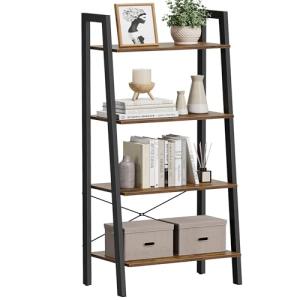
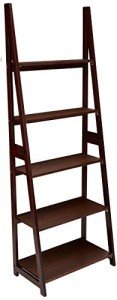
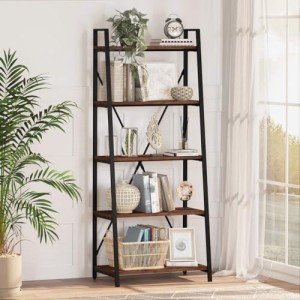
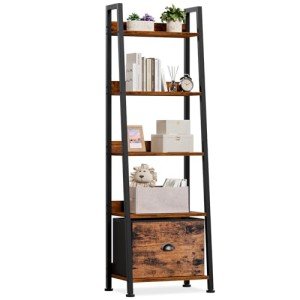
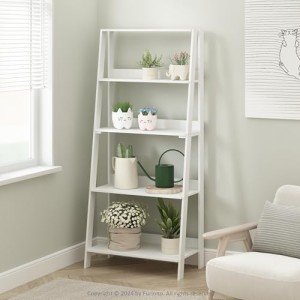
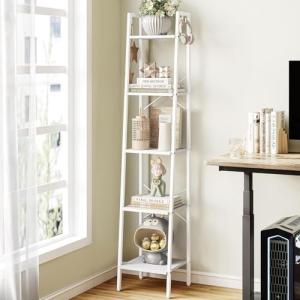
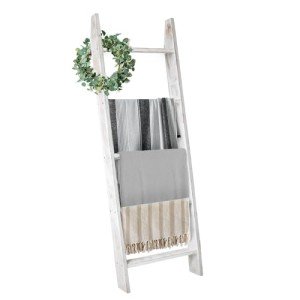
Ladder shelves are subject to specific mechanical stresses due to their unique leaning or stepped geometry, which can lead to structural issues over time.
- To mitigate cyclic fatigue, avoid "dropping" heavy items onto the shelves; instead, place them gently to minimize shock waves through the vertical supports.
- Prevent joint loosening by applying a drop of non-permanent thread-locker to the bolts during assembly to stop them from backing out during use.
- Reduce creep deformation by rotating your book collection every few months, ensuring no single shelf tier remains at maximum capacity for years.
- Guard against impact fracture by placing the unit in low-traffic areas where accidental bumps from vacuums or furniture won't snap brittle composite wood.
- Avoid overload deformation by placing the heaviest items on the bottom-most tier, which keeps the unit’s center of gravity low and stable.
- If you notice structural warping, use shims or adjustable feet to level the unit, preventing the frame from twisting and pulling away from the wall.
- Stop small hardware failure by using a manual screwdriver rather than a power drill during assembly to avoid stripping the soft metal of cam locks.
Environmental Stress Factors
The location of your shelving plays a critical role in its longevity, as ambient conditions can degrade materials and finishes.
- Minimize high humidity acceleration by installing a dehumidifier in the room to prevent wood fibers from swelling and loosening the hardware grip.
- Slow down high UV exposure by applying a UV-resistant furniture wax twice a year to shield the wood stain from sunlight-induced bleaching.
- In coastal homes, prevent salt exposure damage by wiping metal frames weekly with a dry microfiber cloth to remove corrosive salt deposits before they pit the finish.
- Manage the dust load by using a soft brush attachment during cleaning, as dragging a heavy layer of dust across the tier can micro-scratch the protective topcoat.
Key Components
Each part of a ladder shelf is engineered to distribute weight effectively while maintaining a slim, attractive profile.
- The load bearing frame is the primary structural skeleton; look for solid wood or thick-walled metal to ensure long-term rigidity.
- For hybrid units, a sliding rail must be kept lubricated with silicone spray to prevent it from binding and twisting the lighter ladder frame.
- The fastener system is the most critical safety component; always use the provided wall-tether kit to prevent the unit from sliding out at the base.
- The structural housing serves as the visible exterior; ensure it is properly sealed to prevent the internal core from absorbing ambient moisture.
- If the unit uses a glass panel, ensure it is tempered and seated on rubber gaskets to dampen vibrations that could cause hairline fractures.
- The adhesive bond layer in veneered models is a common failure point; check for "lifting" edges, which indicates the glue is failing due to heat or age.
If you are researching full-room storage setups, you may also want to review the failure expectations for these related devices:
- Compare the floor-based stability of ladder units with the wall-tension requirements of floating wall shelves.
- If you have limited space, corner display units offer a different structural profile that utilizes two wall planes for added stability.
- For low-profile storage that can support the base of a leaning unit, evaluate the load capacities of storage benches.