Maintenance & Troubleshooting
Maximizing the shelf life of remediation chemicals requires strict temperature control to prevent emulsion separation and active ingredient oxidation. Always verify the manufacture date, as the biocidal potency of peroxide and bleach-based formulas begins to degrade the moment the seal is compromised.
Common Failure Modes
Chemical cleaners can lose efficacy or cause surface damage if the underlying molecular stability is compromised by improper storage or application.
- Over time, a significant pH drift can render cleaners ineffective; test the solution on an inconspicuous area to ensure it hasn't become too acidic or dangerously alkaline.
- Exposure to air or heat often leads to solvent evaporation shift; keep caps tightly sealed to prevent the formula from concentrating into a substrate-damaging sludge.
- If the formula is stored in extreme cold, you might observe emulsion separation; gently agitate the bottle before use to reintegrate active agents with the carrier liquid.
- Prolonged storage in non-ideal conditions can result in active oxidation; store bottles in dark, cool cabinets to prevent light-triggered neutralization of disinfecting agents.
- Poorly sealed bottles frequently suffer from volatile loss; inspect the safety seal for cracks to ensure the essential cleaning vapors haven't escaped.
- Certain high-strength concentrates are prone to crystallization; rinse the spray nozzle with warm water after every session to prevent solid mineral blockages.
- In rare cases, contamination leads to microbial risk; never "top off" an old bottle with new formula, as cross-contamination can introduce bacteria into the container.
Environmental Stress Factors
External conditions play a critical role in how quickly mold returns and how well the cleaner performs during the remediation process.
- The primary catalyst for fungal outbreaks is high humidity acceleration; deploy a dehumidifier in treated zones to keep relative humidity below 50% and prevent spore reactivation.
- When using cleaners in bathrooms, hard water buildup can block chemical paths; pre-scrub the area with a descaler to allow the mold killer to reach the substrate.
- Outdoor cleaning efficacy is often reduced by high UV exposure; apply remediation formulas during early morning or late evening to prevent the sun from neutralizing biocides prematurely.
- Fluctuating warehouse or garage temperatures represent temperature extremes; store your cleaning supplies in climate-controlled indoor spaces to prevent permanent chemical bond failure.
Key Components
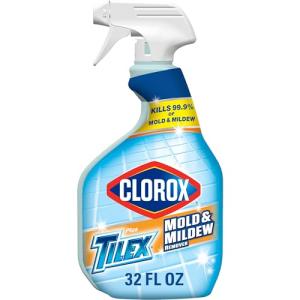
Each bottle of cleaner is a complex system of ingredients designed to work in tandem to dissolve stains and kill pathogens.
- The active ingredient system is the primary biocide; research whether the formula uses oxidizing agents or quaternary ammonium based on your specific mold species.
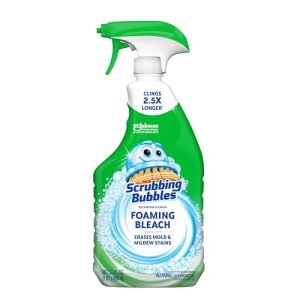
- To ensure the solution clings to vertical surfaces, a robust surfactant system is included; look for foaming triggers to increase dwell time on walls.
- Maintaining a long shelf life requires a high-quality preservative system; check for stabilizing additives that prevent the active biocides from breaking down into salt water.
- The carrier base system acts as the solvent; ensure the base is compatible with your surface to avoid dissolving delicate finishes or paints.
- To mask harsh odors, a specialized fragrance system is integrated; verify that these aromatics are synthetic and won't serve as a food source for future mold growth.
- The integrity of the product depends on the container packaging system; use HDPE plastic containers that are rated for chemical resistance to prevent leaks.
Related Categories
If you are researching a full-room remediation setup, you may also want to review the failure expectations for these related devices and tools:
- For scrubbing away the residue left behind by mold, pair your cleaner with grout and tile brushes designed for high-agitation mechanical cleaning.
- If you prefer a mechanized approach to floor sanitization, consider the high-temperature capabilities of steam mops to thermally neutralize spores.
- Prevent the return of mildew on slick surfaces by applying shower glass and mirror sprays to create a hydrophobic barrier.
- To maintain a dry environment and stop mold at the source, explore the filtration durability of HEPA air purifiers.