Maintenance & Troubleshooting
To prevent permanent glass "clouding," you must treat these sprays as a preventative barrier rather than a reactive fix; applying the solution to a bone-dry surface allows the polymers to bond correctly. Regularly purging the spray nozzle with warm water prevents mineral crystallization from scratching delicate reflective coatings during application.
Common Failure Modes
Chemical and physical degradation can compromise the performance of your cleaning solutions and the integrity of the glass surfaces they treat.
- Over time, emulsion separation can occur; shake the bottle vigorously before every use to reintegrate the active polymers and ensure even coverage.
- The effectiveness of a spray is often diminished by solvent evaporation shift; always verify that the trigger nozzle is set to the "off" position to prevent the formula from thickening into a streaky residue.
- Incorrect storage temperatures can result in crystallization; store bottles in climate-controlled areas to prevent solid particles from forming and clogging the internal intake tube.
- Exposure to air during use can lead to volatile loss; limit the time the bottle remains uncapped to preserve the alcohol-based drying agents that provide a streak-free finish.
- If the formula is compromised by contaminants, surfactant breakdown occurs; avoid "topping off" half-empty bottles with tap water, as minerals will neutralize the cleaning power.
- Inconsistent storage conditions may cause PH drift; check for discoloration in the liquid, which signals a chemical shift that could corrode the metal hinges of your shower door.
- Poorly sealed containers often suffer from fragrance degradation; keep the product out of direct sunlight to prevent UV rays from breaking down the aromatic stabilizers.
Environmental Stress Factors
The bathroom environment is uniquely harsh, presenting specific challenges that can degrade both the cleaners and the glass itself.
- The primary cause of dullness and staining in bathrooms is hard water buildup; use a squeegee after every shower to remove the bulk of the minerals before they can bond to the glass.
- Constant exposure to steam creates high humidity acceleration; ensure your bathroom fan is rated for the square footage to prevent the cleaner's protective film from washing away prematurely.
- Using the wrong chemicals nearby can cause a cleaner compatibility conflict; avoid using bleach-based sprays near mirrors, as the vapors can seep behind the glass and cause "black edge" corrosion.
- In bathrooms with large windows, high UV exposure can occur; choose cleaners with UV-stabilized polymers to ensure the water-repellent coating doesn't yellow or flake off.
Key Components
The efficiency of a glass cleaner relies on a precise balance of chemical agents and high-quality mechanical delivery systems.
- The core of any effective cleaner is the surfactant system, which reduces surface tension so the liquid can encapsulate and lift oils away from the glass.
- To ensure a long-lasting and safe product, the preservative system keeps the formula stable; if you see cloudiness inside the bottle, the preservatives may have failed.
- The functional active ingredient system contains the specific agents that target calcium; look for EDTA or similar chelators for the best results against hard water.
- A high-quality dispensing mechanism provides the necessary micron-sized mist; if the spray starts to "stream," rinse the nozzle under hot water to clear debris.
- The integrity of the formula is maintained by a robust container packaging system; use opaque bottles to shield the more sensitive biocides from light-induced breakdown.
- To provide a pleasant user experience, the fragrance system utilizes essential oils; ensure these are fully solubilized to prevent them from leaving an oily film on the mirror.
Related Categories
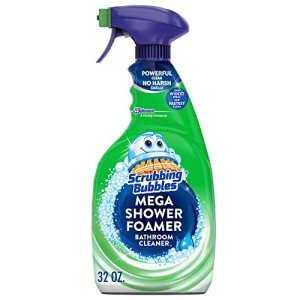
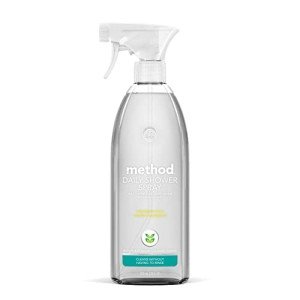
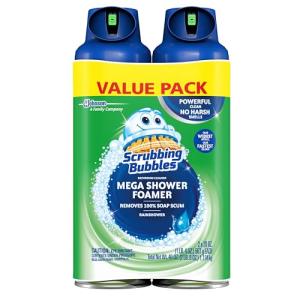
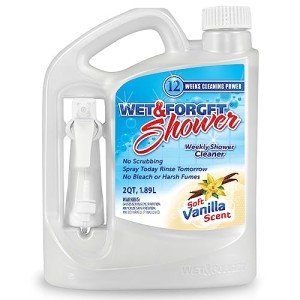
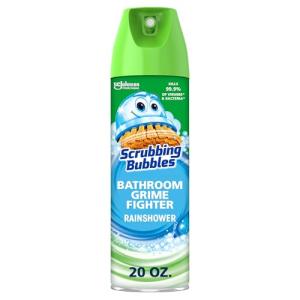
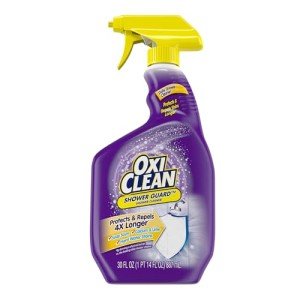
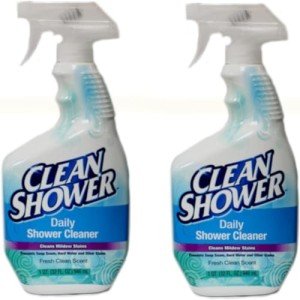
If you are researching a full bathroom maintenance setup, you may also want to review the failure expectations for these related devices and hardware:
![Clean Shower, Daily Shower Cleaner - No Scrub Bundle Pack [32oz. Spray Bottle & 60oz. Refill Bottle]](https://cdn.freshstore.cloud/offer/images/18281/32428/c/clean-shower-daily-shower-cleaner-32-fl-oz-bleach-and-ammonia-free-32428-small.jpeg)