Maintenance & Troubleshooting
Preserving the integrity of storage bins requires regular weight redistribution to prevent permanent base bowing. Monitoring the humidity levels within deep shelving zones is the most effective way to stop the chemical breakdown of polymer coatings and natural fiber rot.
Common Failure Modes
Even high-quality storage containers are subject to mechanical and material degradation over years of repeated use and heavy loading.
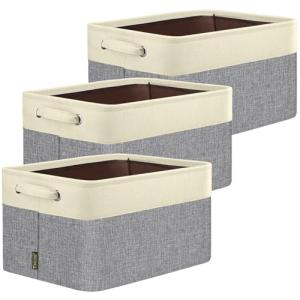
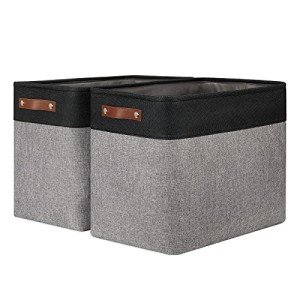
- Overloaded fabric containers often suffer from stitch failure; reinforce handle seams with a secondary nylon thread to prevent detachment during heavy retrieval.
- Rigid plastic bins may develop unsightly white stress marks or complete stress cracking; avoid stacking heavy units on top of brittle lids to preserve the structural housing.
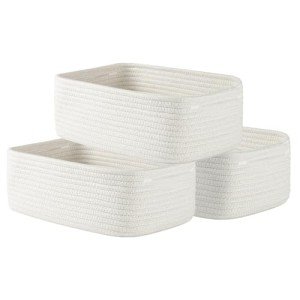
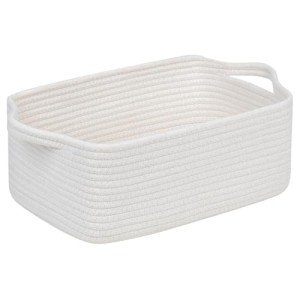
- Natural fiber baskets frequently experience textile fiber thinning; apply a clear fabric stiffener to high-friction areas to stop shedding and maintain rigidity.
- Extended pressure on the base of soft-sided bins can cause overload deformation; insert a rigid cardboard or plastic floor plate to distribute weight and keep the base flush.
- Stackable units with integrated lids are particularly susceptible to small hardware failure; lubricate plastic hinges with a dry silicone spray to prevent snapping under tension.
- In humid environments, poorly ventilated bins may succumb to mold growth; use desiccant packets or charcoal inserts to absorb moisture before it penetrates stored garments.
- Baskets with internal support wires may see the wire poke through the lining due to abrasive wear; patch interior thinning points with heavy-duty adhesive tape to prevent wire protrusion.
- Synthetic liners in high-end bins can experience delamination; keep bins away from direct heat sources to prevent the adhesive bonds from softening and separating.
Environmental Stress Factors
The climate inside your closet significantly impacts the longevity and hygiene of your storage baskets and bins.
- High-moisture closets often trigger high humidity acceleration; run a closet-specific dehumidifier to protect wicker and wood fibers from softening.
- Bins stored near windows or under bright closet lights may face high UV exposure; use opaque bins or UV-filtering window films to prevent polymer embrittlement and fabric fading.
- Low-circulating air zones within deep shelving units lead to dust load accumulation; wipe down bins quarterly with a damp microfiber cloth to prevent grit from abrading the finish.
- Fluctuations in attic-based closets can cause temperature extremes; avoid using plastic bins in uninsulated spaces, as extreme cold makes most polymers susceptible to cracking.
Key Components
The performance of a storage bin is determined by the quality of its individual parts and material composition.
- The structural housing defines the bin's static load capacity and determines its ability to resist collapse when empty.
- Reinforced handles often rely on a fastener such as steel rivets, which offer superior shear resistance compared to standard stitching.
- Premium fabric bins utilize a polymer shell insert, providing the necessary internal tension to keep side walls from sagging over time.
- Bins designed for protection against moisture or pests feature a specialized seal gasket, creating a physical barrier against airborne contaminants.
- The internal softness of high-end jewelry or accessory bins is provided by an upholstery fabric layer, chosen for its low-friction coefficient to prevent jewelry scuffing.
- Many modern closet organizers incorporate an adhesive bond layer, which must be rated for high temperatures to prevent finish peeling in warm climates.
Related Categories
If you are researching full-closet setups, you may also want to review the failure expectations for these related devices: