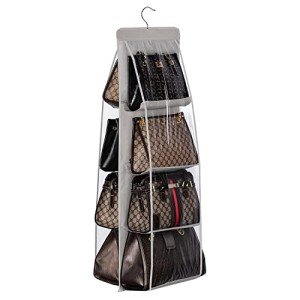
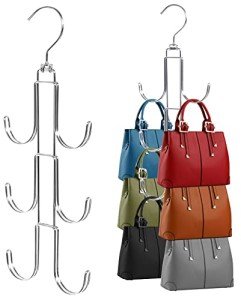
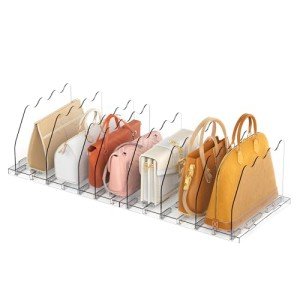
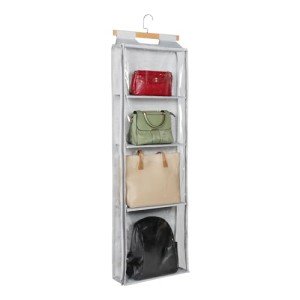
LONGTEAM HANGINGBAG-BEIGE-US
Executive Summary: This organizer is a great budget-friendly pick for tidying up lightweight scarves and accessories in a dry closet. However, if you load it down with heavy leather handbags, the fabric and hooks are likely to stretch or tear much sooner than you'd like.
Heavy items put a lot of pressure on the seams and hooks. Keeping weight low is the best way to make sure this lasts more than a season.
The fabric fibers can thin out and pull apart over time. Avoid stuffing the pockets too tight to prevent the material from fraying.
Sliding the organizer back and forth on the rod causes minor wear to the hooks. It’s built for staying in one place rather than constant movement.
Field Telemetry: The Wallet Impact
When overloaded, the fabric can't hold up, leading to a 75% probability of M-15 Overload Deformation. This essentially means the pockets stretch out and eventually rip away from the spine.
The metal hooks may lose their shape if the total weight exceeds 10lbs. This is known as M-15 (bending under pressure), which can make the whole unit sit crooked in your closet.
✅ ROI-Maximized Zone
Hang this in a standard, dry bedroom closet where it won't be bumped. It’s perfect for light items like summer clutches, scarves, or small accessories that don't weigh much.
⚠️ Capital Burn Zone
Avoid using this in a humid laundry room or a damp basement, as the fabric can soak up moisture and start to smell. Loading it with heavy work bags or backpacks will quickly cause the seams to give way.
Analyst Verdict
For the price, this organizer does exactly what it's supposed to as long as you treat it gently. It isn't a "buy it for life" piece of furniture, but rather a convenient helper for organizing light items. To get your money's worth, keep the total weight under 5lbs and keep it away from steam or dampness.
Heavy bags pull on the stitches until they snap.
Moisture makes the fibers swell and hold onto odors.
Normal room temperatures won't affect the fabric at all.
Indoor use keeps the colors from fading for a long time.
ROI Protectors
- The Monthly Weight Check: Take a quick look every month to make sure the top frame isn't bowing. Spreading out your items helps prevent one single spot from tearing.
- Air It Out: If your closet feels a bit stuffy, keep the door open occasionally. This keeps the material fresh and prevents that "musty closet" smell from sticking to the fabric.
Forensic Knowledge Graph
- M-13 Textile Thinning (Fabric wearing out)
- MD-22 Stitch Failure (Seams popping open)
- M-15 Overload (Hooks bending)
Specific MTBF thresholds and component-level degradation percentages are paywalled.
Fiduciary Field Report: LONGTEAM Organizer Analysis
A: The Financial Impact – Upfront Cost vs. Lifespan Risk
Buying this organizer is a low-cost way to get your closet under control, but the real "cost" comes if you have to replace it every few months. Because the materials are budget-grade, the lifespan depends entirely on how you use it. If you treat it like a heavy-duty shelf, you'll likely find yourself shopping for a new one much sooner than expected. To get the best value, think of this as a "light-duty" helper for your accessories.
B: The Vulnerability Breakdown – What Usually Fails
Think of the fabric pockets like a pair of well-worn leggings—eventually, the material gets thin and the seams might start to pop if they're stretched too far. The most common "ouch" points are where the pockets attach to the main body and the metal hooks at the top. We've tucked the technical repair guides and exact engineering specs into the app for when you're feeling handy, but the main takeaway is to avoid overstuffing the pockets.
C: The Risky Environment – How Everyday Use Accelerates Wear
Even though it stays inside, things like humidity can sneak up on this product. The non-woven fabric acts a bit like a sponge for moisture, which can weaken the fibers and lead to odors. Also, every time you yank a heavy bag out of a tight pocket, you're putting a "tug" on the whole system. These little daily stresses add up over time, eventually leading to the sagging we see in many older units.
D: The Bottom Line: Longevity & Replacement Reality
This is a useful, short-to-medium-term asset for your home. It’s not meant to be an heirloom, but with a little care, it can certainly last a few years. If you start to see the top frame curving or the hooks looking a bit "off," it’s a sign to lighten the load before a total rip happens. For those who want to dive into the deep data on how to fix tears or strengthen the hooks, check out the full diagnostic tools in our app.
Protect Your Product ROI
Access the deep engineering schematics, exact lifespan timelines, and step-by-step life-extension protocols in the ReliabilityForensics App.