Maintenance & Troubleshooting
Monitoring the torque of your wall anchors every six months prevents catastrophic bracket failure. Detecting early hairline fractures in acrylic panels or micro-gaps in wooden joints allows for reinforcement before the structural integrity of the display is permanently compromised.
Common Failure Modes
Even the most robust shelving units can succumb to mechanical and material stress over time if not properly maintained.
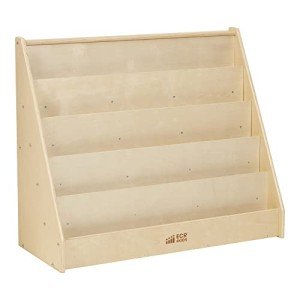
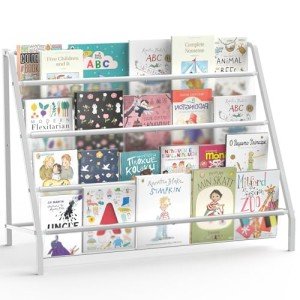
- Heavy loading of oversized hardcovers can lead to permanent structural warping; prevent this by rotating heavier volumes toward the outer edges of the shelf where support is highest.
- Repeated weight fluctuations and vibrations in high-traffic areas often result in joint loosening; check and tighten all primary connection points quarterly to ensure a flush fit.
- Excessive weight beyond the manufacturer's specified limits can cause overload deformation; use a stud finder during installation to ensure brackets are anchored into wood framing rather than just drywall.
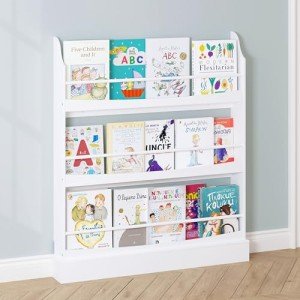
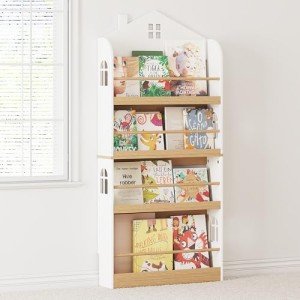
- Frequent movement of books against the front lip may cause surface scratching; apply a thin, clear felt or silicone strip to the inner lip to act as a sacrificial barrier.
- Small mounting screws and anchors can experience small hardware failure; replace factory-grade plastic plugs with high-rated toggle bolts for a more secure long-term hold.
- Over time, the protective finishes on wooden shelves may exhibit coating peeling; avoid this by using only pH-neutral cleaners and keeping the surface dry.
- In humid environments, the bond between laminate layers and the core material can suffer from delamination; use a dehumidifier in the room to keep moisture levels below 50% to protect the adhesive bond.
- Acrylic front panels may eventually display stress cracking; avoid over-tightening screws during assembly and use rubber washers to distribute pressure evenly.
Environmental Stress Factors
The surrounding atmosphere plays a critical role in the longevity and appearance of your book display system.
- Fluctuating moisture levels in a room can lead to high humidity acceleration of wood rot; apply a moisture-resistant sealant to any exposed raw wood edges.
- Placing your shelving near large windows increases high UV exposure; apply a UV-filtering film to your windows to prevent yellowing of the hardware and fading of the book covers.
- Accumulated particles on the ledges create a dust load; use a microfiber cloth to lift debris rather than sliding it across the surface to prevent micro-abrasions.
- Using harsh detergents can create a cleaner compatibility conflict; test any new cleaning agent on a small, hidden area of the shelf bottom first to check for clouding or stripping.
Key Components
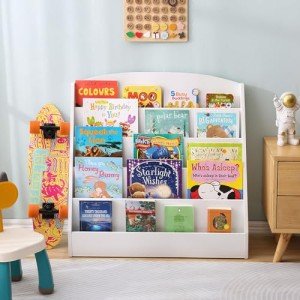
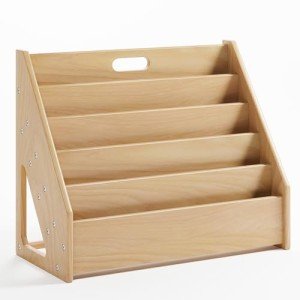
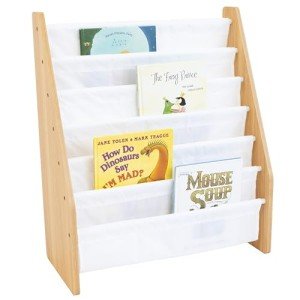
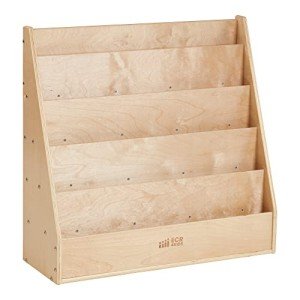
Every front-facing bookshelf relies on a specific set of structural elements to remain functional and safe.
- The primary load bearing frame handles the vertical stress; inspect the rear panel for bowing which indicates a need for additional wall studs.
- A secure fastener system keeps the unit upright; use steel L-brackets to reinforce the top edge if the unit shows any signs of pulling away from the wall.
- The structural housing maintains the unit's squareness; verify the alignment with a level once a year to catch settling before it causes cracks.
- High-end models may feature a glass panel for clarity; check for chipped edges immediately, as these can propagate into full cracks under the weight of leaning books.
- Specialized units often use an adhesive bond layer; if you see light between the trim and the frame, use a woodworking clamp and wood glue to re-establish the bond.
- The polymer shell offers high impact resistance; clean it with anti-static spray to prevent the buildup of pet hair and dust in the crevices.
Related Categories
If you are researching full-room setups, you may also want to review the failure expectations for these related devices:
- For more specialized literature displays, consider wall mounted book ledges to create a floating gallery effect.
- In smaller play areas, low toy shelves offer easy access for toddlers and match the height of front-facing units.
- To maximize vertical space in a nursery, explore ladder shelves for a stylish and contemporary tiered storage option.
- Complete your reading nook by adding book bench seats that provide both comfortable seating and integrated storage for favorites.