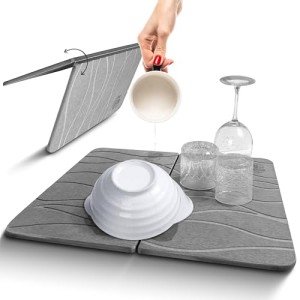
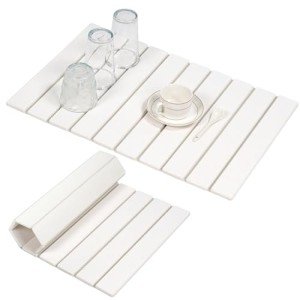
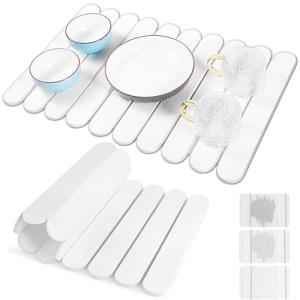
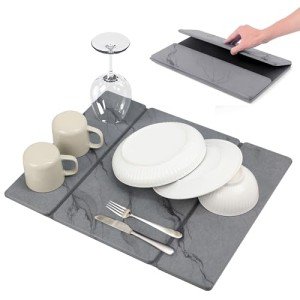
Maintenance & Troubleshooting
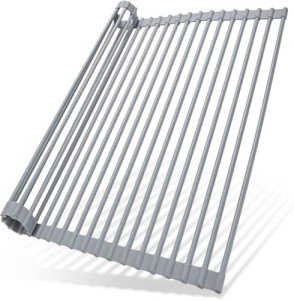
Preventing mechanical seizure and bacterial infiltration requires proactive inspection of the folding pivots and drainage channels. Regularly clearing mineral deposits ensures that collapsible mechanisms do not meet resistance that leads to snapped fasteners or warped frames.
Common Failure Modes
Regular mechanical stress and constant exposure to moisture can lead to specific structural issues over time.
- To prevent Hinge Fatigue in the folding joints, avoid forcing the mechanism if you feel resistance and apply food-grade silicone lubricant if legal/applicable.
- Stop Coating Peeling by avoiding the use of serrated knives or sharp-edged metal utensils that can puncture the protective layer.
- Eliminate Mold Growth by wiping down crevices weekly with a diluted vinegar solution to kill spores in hidden damp spots.
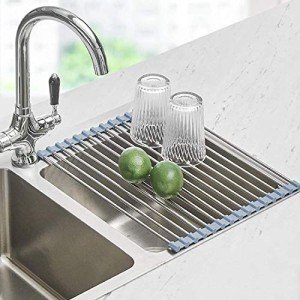
- Avoid Overload Deformation by distributing weight evenly across the rack and keeping heavy cast iron pieces on the primary support bars.
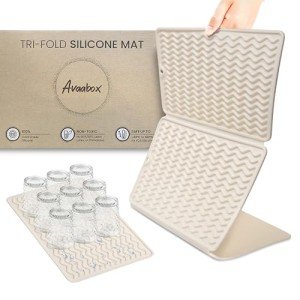
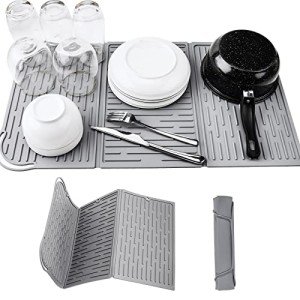
- Prevent Stress Cracking by allowing silicone mats to reach room temperature before folding or unfolding them.
- Minimize Surface Scratching by using only soft microfiber cloths or non-abrasive sponges for debris removal.
- Combat Micro-Corrosion Fatigue by thoroughly drying the unit after each use to stop moisture from sitting on the metal welds.
Environmental Stress Factors
The kitchen environment presents unique challenges that can accelerate the degradation of drying accessories.
- Mitigate High Humidity Acceleration by ensuring your kitchen has adequate ventilation or a nearby exhaust fan to move moist air away from the drying station.
- Remove Hard Water Buildup using a citric acid soak to dissolve calcium and magnesium deposits before they calcify and block drainage.
- Resolve Cleaner Compatibility Conflict by sticking to mild dish soaps and avoiding bleach-based cleaners that can leach plasticizers from the material.
- Manage Temperature Extremes by verifying the manufacturer’s heat rating before using the mat as a trivet for cookware fresh from the oven.
Key Components
Every foldable rack is engineered with specific parts designed to handle weight and facilitate drainage.
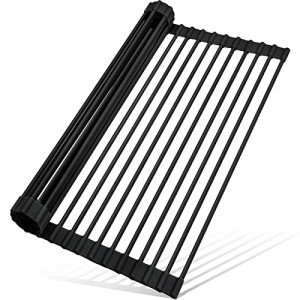
- The Load-Bearing Frame provides the essential skeleton; inspect it regularly for any signs of sagging or loss of tension.
- The Hinge Pivot Assembly is the most common point of mechanical failure and should be kept free of food debris.
- The Polymer Shell serves as a waterproof barrier; check it for small punctures that could allow water to reach the internal core.
- The Seal Gasket System ensures countertop grip; clean the underside frequently to prevent the buildup of slippery biofilms.
- The Structural Housing maintains the overall geometry; ensure no screws or rivets have loosened during high-volume use.
- The Fastener System holds the assembly together; tighten any accessible hardware if the rack begins to feel "wobbly" or unstable.
Related Categories
If you are researching full-room setups, you may also want to review the failure expectations for these related kitchen devices: