Maintenance & Troubleshooting
Preventing wood fiber collapse and fastener failure requires maintaining a hydrophobic barrier through consistent oil saturation. Promptly addressing mineral deposits and ensuring 360-degree airflow during drying prevents the differential tension that leads to permanent structural bowing.
Common Failure Modes
Even the most durable over-the-sink boards face challenges from constant water exposure and mechanical pressure during heavy chopping tasks.
- Prevent structural warping by drying the board vertically to allow even moisture evaporation from both faces.
- Stop mold growth by sanitizing the underside and edges weekly with a vinegar solution to neutralize spores in the splash zone.
- Remedy surface scratching by lightly sanding the board and reapplying food-grade mineral oil to seal deep blade grooves.
- Avoid stress cracking by ensuring the sink rim is level and clear of debris so the board's weight is distributed evenly across all contact points.
- Combat delamination by never submerging layered boards in water and avoiding the high-heat environment of a dishwasher.
- Mitigate abrasive wear by replacing worn rubber feet or protective gaskets as soon as the board begins to slide on the sink rim.
Environmental Stress Factors
The unique microclimate of a kitchen sink area subjects materials to fluctuating levels of hydration and chemical exposure.
- To counter high humidity acceleration, use a dedicated preservative system to block moisture from penetrating the wood grain.
- Eliminate hard water buildup by wiping away standing water after use to prevent calcium deposits from etching into the finish.
- Prevent a cleaner compatibility conflict by using pH-neutral soaps that won't dissolve the natural oils or synthetic binders in the board's construction.
Key Components
An over-the-sink system relies on several critical parts to remain safe and functional during high-pressure food preparation.
- The structural housing must be thick enough to resist deflection when downward force is applied over the center of the sink.
- Check the surface coating frequently for bald spots to ensure liquids continue to bead rather than soak into the core.
- Inspect the seal gasket for material fatigue to ensure the board remains anchored during high-vibration chopping.
- The fastener system should be checked monthly for corrosion, especially if the board uses adjustable metal arms.
- Maintaining the preservative system with food-safe oil is the most effective way to prevent fiber separation and liquid infiltration.
Related Categories
If you are researching ways to maximize sink-side efficiency, you may also want to review the failure expectations for these related devices:
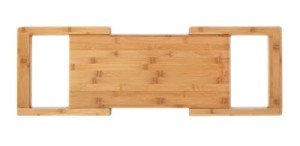
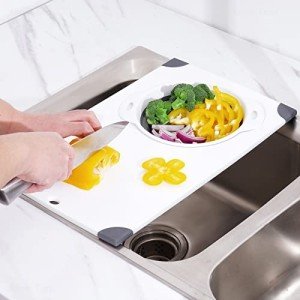
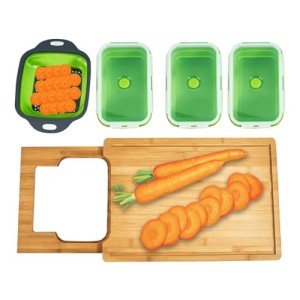
![[2024 UPGRADE] Hifybaty Over The Sink Cutting Board - Expandable Cutting Board Over Sink, Bamboo Cutting Boards with Juice Groove, Kitchen Sink Cutting Board](https://cdn.freshstore.cloud/offer/images/18281/31926/c/2024-upgrade-hifybaty-over-the-sink-cutting-board-expandable-cutting-board-over-sink-bamboo-cutting-boards-with-juice-groove-kitchen-sink-cutting-board-31926-small.jpg)