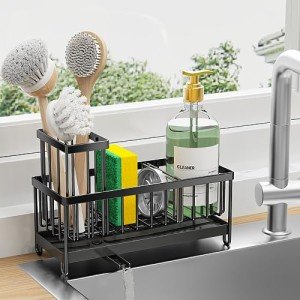
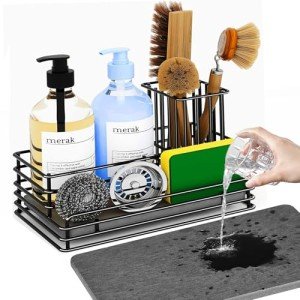
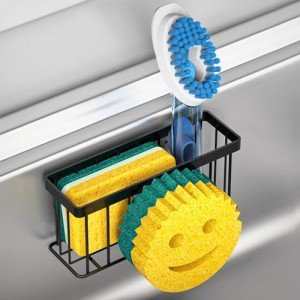
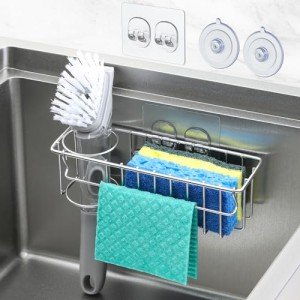
Maintenance & Troubleshooting
Preventing permanent oxidation requires a weekly teardown to remove trapped moisture from fastener points and drainage tracks. Regularly applying a thin layer of mineral oil to metal joints can effectively stall the chemical reactions that lead to coating failure and structural pitting.
Common Failure Modes
Even the most durable sink organizers can succumb to the constant presence of water and chemical cleaners over time.
- Heavy moisture exposure often leads to corrosion; rinse your caddy with fresh water daily to remove salt and soap residues that accelerate metal breakdown.
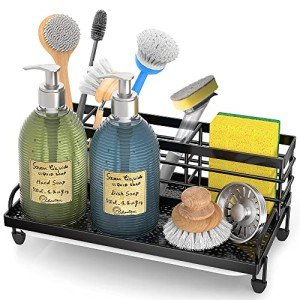
- Constant weight from heavy soap dispensers may cause joint loosening; check and tighten any mechanical fasteners monthly to maintain a stable, non-wobbly frame.
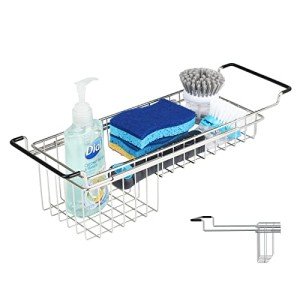
- Over time, the protective layers on wire racks may experience coating peeling; avoid using abrasive steel wool pads during cleaning to keep the defensive layer intact.
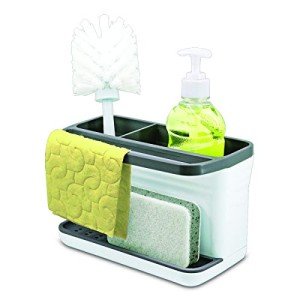
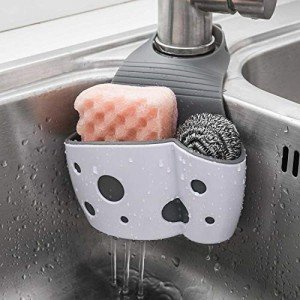
- In cheaper plastic models, the stress of holding damp sponges can lead to stress cracking; distribute weight evenly across the tray to prevent localized pressure at the drainage ports.
- Suction cups frequently suffer from elastomer hardening; soak hardened cups in warm water or apply a tiny amount of petroleum jelly to restore the vacuum seal.
- Excessive force during installation or cleaning can result in overload deformation; never use the caddy as a handle or support when scrubbing large pots.
- Prolonged exposure to damp sponges without proper airflow often encourages mold growth; ensure the caddy is positioned in a well-ventilated area and allow sponges to air-dry fully.
Environmental Stress Factors
The kitchen sink is a harsh environment where various external factors constantly challenge the durability of your storage solutions.
- Sustained high humidity acceleration degrades non-specialized metals; choose high-impact polymers or 304 stainless steel for long-term moisture resistance.
- In many households, hard water buildup leaves mineral deposits; use a diluted vinegar soak once a month to clear clogged drainage holes and restore the finish.
- Frequent contact with harsh dish soaps can lead to cleaner compatibility conflict; stick to pH-neutral detergents to prevent stripping specialized antimicrobial or rust-proof treatments.
Key Components
High-quality caddies are built using specific parts designed to manage water flow and provide long-lasting stability.
- The structural housing serves as the primary skeleton, dictating how much weight the unit can hold without bowing or collapsing.
- Many modern designs utilize a polymer shell to provide a completely rust-proof alternative to traditional plated-wire construction.
- To prevent slipping on wet surfaces, units often integrate a seal gasket system or silicone feet to provide high-friction stability.
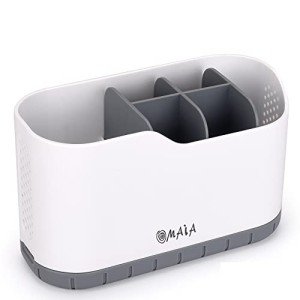
- Models featuring adjustable dividers rely on a robust fastener system to keep internal compartments rigid under the weight of full soap bottles.
- The surface coating is the first line of defense, acting as a chemical barrier between the raw material and corrosive kitchen elements.
Related Categories
If you are researching comprehensive kitchen organization, you may also want to review the failure expectations and maintenance requirements for these related storage categories: