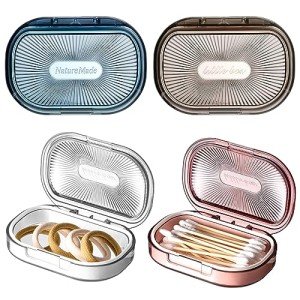
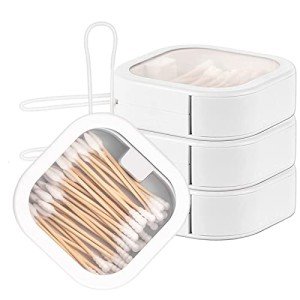
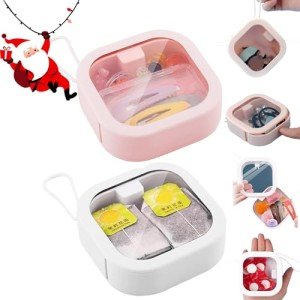
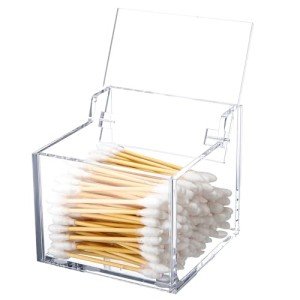
Maintenance & Troubleshooting
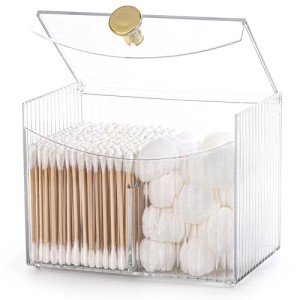
Regularly clearing debris from the sliding rails prevents micro-scratches that eventually lead to drawer seizures. Periodically checking the hinge tension ensures that the flip lid remains aligned and does not exert uneven torque on the structural housing.
Common Failure Modes
Over time, repetitive use and mechanical stress can impact the structural integrity and ease of movement of your lidded drawer units.
- Repeated opening and closing of the top cover can eventually lead to hinge fatigue; avoid snapping the lid shut to preserve the integrity of the plastic attachment points.
- Excessive weight placed on top of the units often results in overload deformation; stack only lightweight items on top to prevent the shell from sagging and pinching the drawer.
- The accumulation of grit within the moving parts causes sliding track wear; wipe the rails with a dry microfiber cloth monthly to ensure smooth, friction-free movement.
- Dropping the unit or sharp impacts can create an impact fracture; place units on non-slip mats to reduce the risk of accidental falls from high surfaces.
- Continuous pressure on the base may cause creep deformation; rotate the position of heavy internal contents every few months to redistribute the load across the floor of the box.
- The loss of internal tension over time often manifests as spring elasticity loss; avoid leaving spring-assisted lids in the open position for extended periods to maintain the metal's memory.
- Frequent sliding on rough surfaces leads to abrasive wear; apply small felt or rubber bumpers to the bottom corners to protect both the box and your furniture.
Environmental Stress Factors
The atmosphere and location where you store your drawer boxes play a critical role in the degradation of the polymers and components.
- Prolonged exposure to sunlight can trigger high UV exposure; keep clear organizers away from direct window light to prevent the plastic from becoming yellow and brittle.
- In bathrooms or laundry rooms, high humidity acceleration can trap moisture; use desiccant packets inside the drawer to protect sensitive paper or metal items from oxidation.
- In workshops or garages, a heavy dust load can settle into the hinge; use a can of compressed air to blow out the pivot points and prevent the mechanism from grinding.
Key Components
Each part of the drawer box is engineered to balance accessibility with structural rigidity for a reliable user experience.
- The primary structural housing serves as the load-bearing skeleton that prevents the drawer from becoming misaligned under pressure.
- A high-quality hinge pivot assembly is vital for a smooth swing radius; look for reinforced pins that resist snapping during high-frequency use.
- The internal sliding rail system guides the drawer path; verify that the rails are molded cleanly with no plastic flash that could cause snagging.
- Most modern organizers utilize a durable polymer shell, which offers a flexible enough structure to absorb minor impacts without shattering.
- Secure assembly is maintained by a specialized fastener system; ensure all clips or screws are seated flush to prevent them from catching on the drawer exterior.
- To prevent the drawer from sliding out too far, a built-in stop mechanism provides a physical limit that keeps the contents from spilling onto the floor.
Related Categories
If you are researching a broader organization project, you may also want to review the failure expectations for these related devices: