Maintenance & Troubleshooting
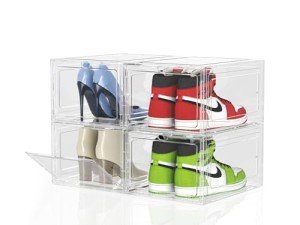
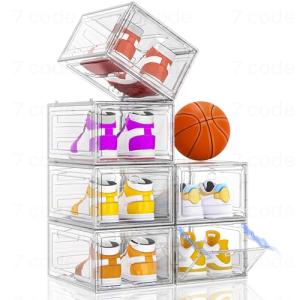
To prevent door jams, use a dry silicone lubricant on the pivot points once a year and avoid ammonia-based cleaners that trigger acrylic clouding. Monitoring the stack height ensures the bottom unit's structural housing doesn't hit its compression failure point.
Common Failure Modes
While durable, drop-front units are subject to mechanical and chemical stresses that can compromise their clarity and structural integrity over time.
- Prevent Hinge Fatigue by ensuring the box is perfectly level; an unlevel base puts uneven torque on the door's pivot pins.
- Avoid Surface Scratching by using only microfiber cloths and distilled water, as paper towels can contain abrasive wood fibers.
- Eliminate Overload Deformation by limiting stacks to six units high to prevent the bottom frame from bowing under the weight.
- Address Plasticizer Migration by maintaining a stable room temperature, which stops the chemical oils from seeping to the surface and becoming sticky.
- Stop Stress Cracking by checking that interlocking tabs are fully seated before adding the next box, distributing weight across the entire perimeter.
- Reduce Acrylic Clouding by keeping the units away from high-heat sources like radiators that accelerate the oxidation of the front panel.
- Mitigate Abrasive Wear by placing felt pads on the bottom box of a stack if you frequently slide the tower across hardwood or tile.
Environmental Stress Factors
The environment in which you store your shoe collection plays a critical role in the lifespan of both the boxes and the footwear within.
- To combat High UV Exposure, apply a UV-filtering film to closet windows to prevent the polymer from turning yellow and brittle.
- Neutralize High Humidity by placing a silica desiccant packet in the rear of the box to prevent organic growth on leather soles.
- Prevent Low Humidity Desiccation by avoiding storage in uninsulated attics where dry air makes plastic hinges snap during winter.
- Manage the Dust Load by wiping the magnetic tracks monthly; grit buildup here acts as an abrasive that ruins the door's seal.
Key Components
Every drop-front box is an assembly of specific parts designed to provide a balance of visibility, strength, and ease of use.
- The Structural Housing acts as the exoskeleton; ensure it is reinforced with vertical ribs to handle stacking pressure.
- A high-grade Polymer Shell made of polypropylene (PP) offers the best balance of impact resistance and chemical stability.
- The Glass Panel or polycarbonate front must be UV-stabilized to maintain the "showroom" look over several years.
- A precision-molded Hinge Pivot Assembly is the most likely point of failure; look for thick, integrated pins rather than snap-on parts.
- The Magnetic Strips should be recessed into the frame to prevent them from detaching or scratching the door face.
- A reliable Fastener System of deep-groove interlocking tabs is required to prevent "stack drift" when the door is pulled open.
Related Categories
If you are researching full-room setups, you may also want to review the failure expectations for these related devices: