Maintenance & Troubleshooting
Preventing adhesive shear requires quarterly inspections of the mounting perimeter for signs of edge-lifting or moisture infiltration. Wiping away soap film from the bracket interface stops chemical reactions that can dissolve the bond over time.
Common Failure Modes
Adhesive shelving systems are subject to specific mechanical and chemical breakdowns over time due to constant weight and moisture.
- To prevent cyclic fatigue, avoid pulling downward on the shelf when dispensing soap; instead, remove the bottle before applying pressure to its pump.
- Address adhesive bond failure by cleaning the tile with isopropyl alcohol and allowing it to cure for 24 hours before adding any weight.
- Stop corrosion from taking hold by opting for 304 stainless steel or aluminum frames and rinsing away residual salt or bleach immediately.
- You can avoid overload deformation by strictly adhering to the 10-15lb weight limit and centering the heaviest items toward the corner axis.
- Eliminate mold growth by sealing the top edge of the mounting plate with a thin bead of silicone to prevent water from pooling behind the adhesive.
- Prevent stress cracking in plastic models by ensuring the shelf is perfectly level, which prevents uneven tension from concentrating at the fastener points.
Environmental Stress Factors
The bathroom is a high-stress environment that tests the physical limits of adhesive-mounted hardware every day.
- Counteract high humidity by ensuring the shower is properly ventilated, as prolonged steam exposure can re-liquify lower-grade bonding tapes.
- Minimize hard water buildup by utilizing a squeegee on the shelf surfaces daily, preventing mineral deposits from etching the protective finish.
- Prevent a cleaner compatibility conflict by using pH-neutral soaps; avoid acidic sprays that can strip the rust-proof topcoat from metal wires.
Key Components
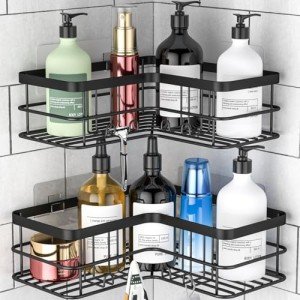
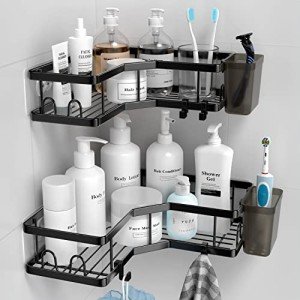
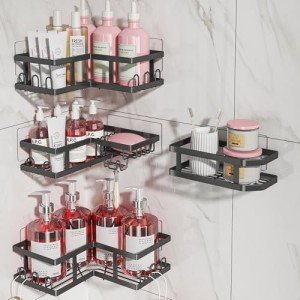
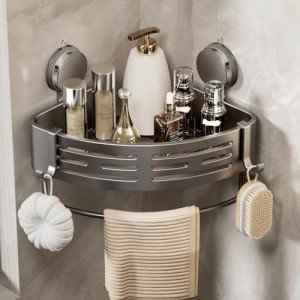
The reliability of a corner shelf depends on the synergy between its structural frame and its mounting interface.
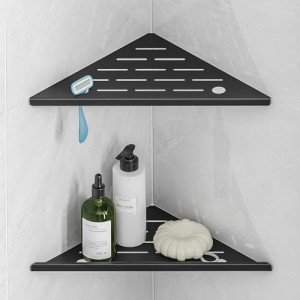
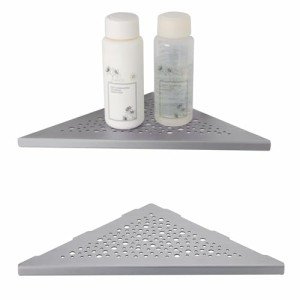
- The structural housing should feature a wire-grid bottom to facilitate rapid drainage and prevent water weight from adding to the adhesive load.
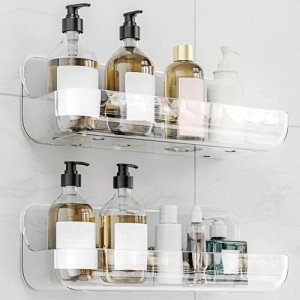
- The adhesive bond is the unit's most vulnerable point; look for transparent polymer tapes that offer higher moisture resistance than standard foam pads.
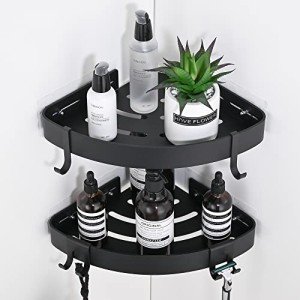
- Choosing a polymer shell model eliminates the risk of rust, making it an ideal choice for high-moisture stalls with limited ventilation.
- A well-engineered load bearing frame utilizes the 90-degree corner for lateral support, significantly reducing the downward pull on the wall-side fasteners.
- Verify the fastener system is made of a rust-resistant alloy, as these small clips often fail first when exposed to direct spray.
Related Categories
If you are researching full-room setups, you may also want to review the failure expectations for these related devices: