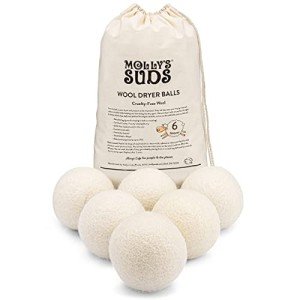
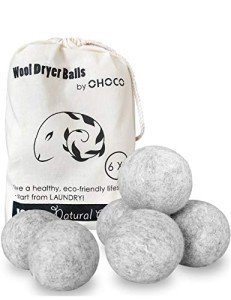
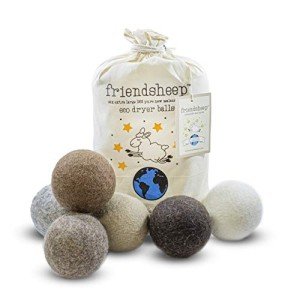
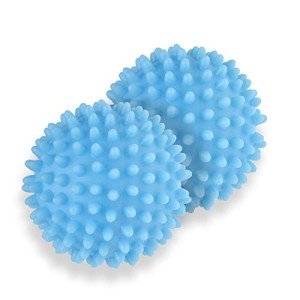
Maintenance & Troubleshooting
Maintaining the moisture-wicking properties of wool fibers requires a periodic "re-felting" wash to tighten the internal core and shed accumulated detergent residues. Regularly inspecting the structural seams of mesh catchers prevents escaped lint from clogging the dryer's internal thermal sensors.
Common Failure Modes
Even the most durable laundry accessories face wear from high-velocity tumbling and intense thermal cycles within the drum.
- Friction against heavy denims causes textile fiber thinning; rotate dryer balls frequently to ensure even wear across the fiber matrix.
- Intense thermal loads lead to polymer softening in plastic frames; use lower heat settings to prevent warping in lint trap housings.
- Hard hardware like zippers creates abrasive wear on wool; wash garments inside out to protect the felted surface of the balls from snagging.
- High-stress tumbling often results in stitch failure in mesh bags; double-stitch or reinforce high-tension seams to prevent debris leaks.
- Trapped moisture triggers mold growth in dense wool; set dryer balls in a well-ventilated area between loads to ensure the core is bone-dry.
- Rapid cooling and heating causes heat cycling fatigue in adhesives; opt for heat-welded or mechanically fastened lint tools over glued models.
- Elastic components eventually experience spring elasticity loss; replace worn cords with high-heat resistant bungees to maintain a secure filter seal.
- Constant drum impact leads to cyclic fatigue failure; inspect for misshapen cores and replace wool balls once they lose their spherical density.
Environmental Stress Factors
External conditions and laundry room variables significantly influence how effectively these tools manage moisture and static.
- Restricted airflow causes high humidity acceleration; ensure your dryer vent is clear of obstructions to allow wool balls to shed moisture effectively.
- Dense fur leads to rapid pet hair clogging; clean mesh catchers halfway through heavy cycles to maintain optimal drum vacuum pressure.
- Residual waxes result in a high dust load on wool; boil dryer balls in clear water every few months to strip away surfactant buildup and restore static wicking.
- Restricted exhaust leads to temperature extremes; monitor the exterior of the dryer for excess heat, which indicates the internal plastics are nearing their thermal limit.
Key Components
The performance of your drying accessories relies on specialized materials designed to withstand heat and mechanical stress.
- A thick upholstery fabric layer of felted wool provides the essential surface friction needed to separate wet fabrics.
- A rigid polymer shell is critical for lint traps intended to survive the G-forces of a high-speed spin cycle.
- Reliable debris containment depends on a fastener system that uses heat-resistant metals or high-grade locking zippers.
- Natural static control is managed by the wool's internal surfactant system, which balances ions through moisture absorption and friction.
- A stable foam core in hybrid models provides the necessary ballast for separating heavy towels without the noise of solid plastic.
- An airtight seal gasket system prevents fine lint particles from bypassing the secondary filter and entering the dryer’s blower wheel.
Related Categories
If you are researching appliance efficiency and laundry hardware durability, you may also find these related systems useful: