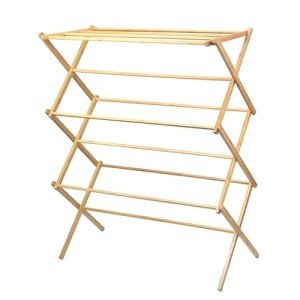
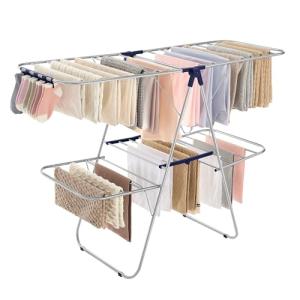
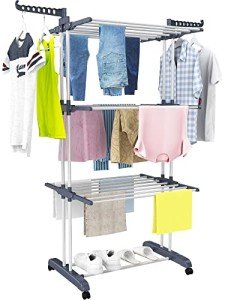
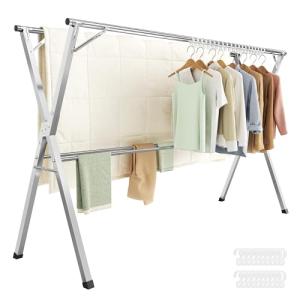
Maintenance & Troubleshooting
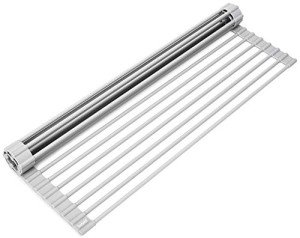
Proactively lubricating the pivot points and wiping down rungs after every cycle prevents the chemical pitting that leads to structural collapse. Monitoring the fastener tension ensures the frame remains rigid enough to distribute the uneven weight of heavy linens without warping the primary support rods.
Common Failure Modes
Repetitive motion and static weight loads create predictable stress points in laundry hardware.
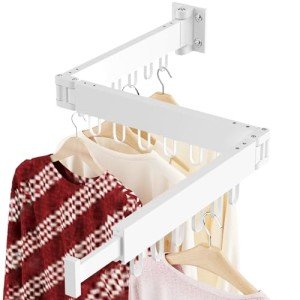
- Reduce friction by applying a dry silicone lubricant to the Hinge Fatigue points to prevent the metal from snapping during folding cycles.
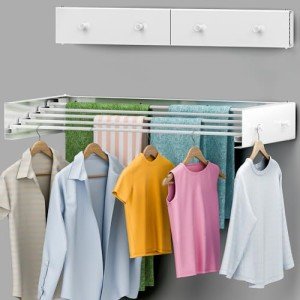
- Avoid Overload Deformation by centering heavy items like towels over the vertical support legs rather than the cantilevered ends.
- Combat Corrosion by towel-drying the metal joints after removing damp laundry to ensure moisture isn't trapped in the crevices.
- Prevent Cyclic Fatigue Failure by alternating the placement of laundry to prevent a single bar from bearing the maximum load during every use.
- Address Joint Loosening immediately by tightening any visible screws or pins to maintain a stable, non-wobbly drying surface.
- Mitigate UV Embrittlement by storing plastic-heavy models indoors when not in use to prevent the sun from turning connectors brittle and prone to cracking.
Environmental Stress Factors
The microclimate of your laundry area dictates the oxidation rate and lifespan of the frame materials.
- In areas of High Humidity Acceleration, use a de-humidifier to ensure the air can actually pull moisture away from both the clothes and the metal frame.
- Prevent Outdoor Weathering by bringing the rack inside during temperature swings to avoid the expansion and contraction that weakens rivets.
- In coastal zones, wash the rack quarterly with fresh water to remove salt deposits that trigger Galvanic Corrosion at the assembly points.
Key Components
Understanding the mechanical anatomy of your rack helps you identify high-wear parts before they fail.
- The Load Bearing Frame serves as the primary chassis and should be inspected regularly for any signs of hairline fractures or bowing.
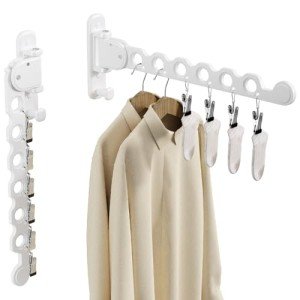
- The Hinge Pivot Assembly is the most common point of failure and requires clear clearance from debris to fold smoothly.
- A high-quality Fastener System uses locking nuts or rivets that resist backing out during the vibrations of daily use.
- Check the Polymer Shell for chips or scratches, as these breaches allow water to reach the underlying metal and start the rusting process.
- A durable Surface Coating should feel smooth and non-porous to prevent detergent chemicals from bonding to the frame.
If you are researching comprehensive laundry management, you may also want to review the failure expectations for these related categories: