Maintenance & Troubleshooting
Wiping down shelving units after heavy laundry sessions prevents the accumulation of surfactant residues that can chemically soften plastic coatings or trigger localized rust. Checking the tightness of mounting brackets every six months offsets the "fastener walk" caused by appliance-induced vibrations.
Common Failure Modes
Utility shelving often faces heavy physical loads and constant vibrations that can compromise its structural stability over time.
- Repeated loading of heavy detergent jugs can lead to Overload Deformation; avoid this by placing the heaviest bulk items directly over the vertical support posts rather than the center of the shelf.
- The high-vibration environment of laundry rooms often results in Joint Loosening; apply a drop of thread-locking fluid to bolt threads during assembly to prevent hardware from backing out.
- In metal shelving units, prolonged exposure to splashes can trigger Corrosion; touch up any visible nicks in the finish with an appliance-grade enamel paint to seal out moisture.
- Constant contact with chemical cleaners may cause Coating Peeling; use a pH-neutral soap for routine cleaning and immediately rinse away any spilled bleach or concentrated detergents.
- Plastic components frequently suffer from Stress Cracking; ensure the shelf is perfectly level during installation to prevent uneven torque from fracturing the plastic corner joints.
- Over time, protective finishes might exhibit Surface Scratching; use felt or rubber liners under metal-bottomed canisters to prevent abrasive damage to the shelf's protective layer.
Environmental Stress Factors
The utility room is a harsh climate defined by fluctuating moisture levels and chemical exposure that tests material limits.
- Constant steam creates High Humidity Acceleration; improve room ventilation or use a dehumidifier to slow down the oxidation of hidden structural fasteners.
- Splashes from laundry prep can lead to Hard Water Buildup; remove mineral deposits with a diluted vinegar solution to ensure adjustable shelf pins don't become seized in place.
- Exposure to bleach or harsh solvents often causes a Cleaner Compatibility Conflict; choose shelving with polypropylene components, which offer superior resistance to the caustic chemicals found in modern laundry additives.
Key Components
The longevity of a utility shelf depends on the quality of its internal architecture and its ability to resist localized stress.
- The Load Bearing Frame is the essential skeleton that prevents the unit from racking or swaying when fully loaded with cleaning supplies.
- For units featuring sliding trays, a high-quality Sliding Rail provides access to heavy items without requiring you to reach over a deep utility sink.
- The integrity of the shelf depends on a robust Fastener System that can maintain its clamping force despite the constant tremors of a spin cycle.
- A durable Structural Housing acts as a secondary barrier, shielding the primary joints from direct water ingress and chemical splashes.
- Many modern utility shelves utilize a Polymer Shell because it is inherently immune to rust and highly resistant to the abrasive nature of scrubbing tools.
Related Categories
If you are researching full-room setups, you may also want to review the failure expectations for these related devices:
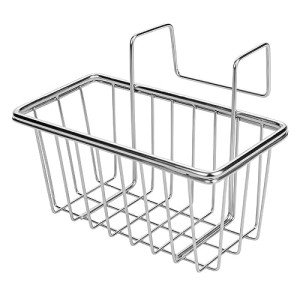
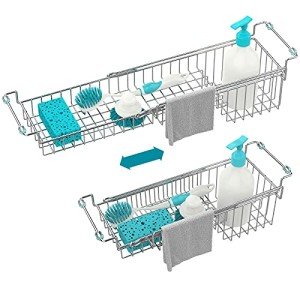
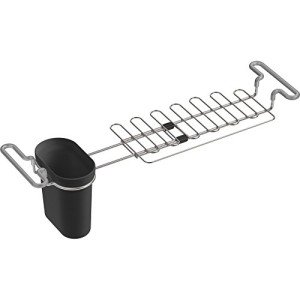
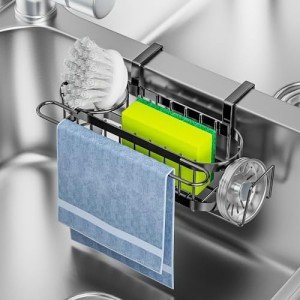
- Keep your cleaning sprays and sponges within reach by installing dedicated Sink Caddies that mount directly to the basin edge.
- Maximize the often-wasted space above your appliances by using Over Washer Storage for linens and extra supplies.
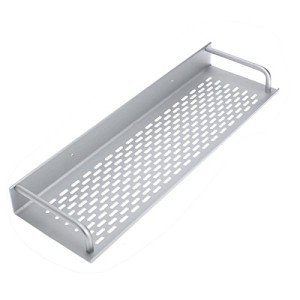
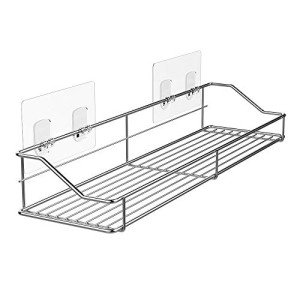
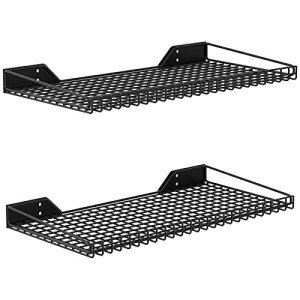
- For smaller utility items and hardware, consider adding Utility Wall Shelves to keep your countertops clear for sorting tasks.
- Streamline your cleaning routine by utilizing Pull Out Cleaning Caddies that can be moved easily from the sink to other work areas.