Maintenance & Troubleshooting
Preventative care for organizers involves managing the moisture absorption of natural fibers and lubricating friction-fit lids. By identifying early signs of material fatigue, you can avoid permanent frame racking and ensure the dispenser aperture remains snag-free.
Common Failure Modes
Even static organizers face mechanical and material challenges over time due to repeated use and physical handling.
- Mechanical cycling of lidded models leads to hinge fatigue; apply a small amount of clear silicone lubricant to the pivot pins to prevent binding and snap-offs.
- Brittle materials are prone to impact fracture; choose high-impact polystyrene or weighted resins if the unit is placed on high-traffic surfaces where knocks are likely.
- Thermal shifts can cause adhesive bond failure; use a cyanoacrylate-based glue to re-secure trim or base plates if they begin to separate from the main body.
- Cleaning with paper towels causes surface scratching; use only clean microfiber cloths and avoid circular motions on acrylic or clear-coated finishes.
- Forcing oversized tissue stacks creates stress cracking; remove tissues from the cardboard box before loading to reduce internal pressure on the organizer walls.
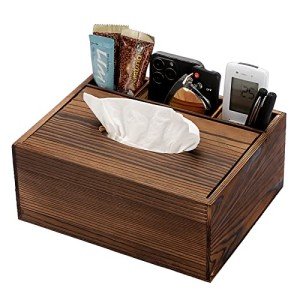
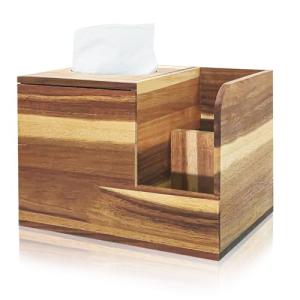
- High moisture levels result in structural warping; ensure wooden units are treated with a water-resistant sealant and kept away from direct steam.
Environmental Stress Factors
The placement of your organizer significantly impacts its longevity and the freshness of the tissues stored within.
- In bathroom settings, high humidity acceleration degrades fiberboard and tarnishes metal; prioritize non-porous materials like acrylic or stainless steel for these zones.
- Direct sunlight leads to high UV exposure; rotate the unit monthly to ensure even aging and prevent localized yellowing or fading of dyed finishes.
- The accumulation of an internal dust load compromises hygiene; wipe the interior floor of the dispenser every time you refill the tissue supply.
- Aggressive sanitizers cause a cleaner compatibility conflict; test any new disinfectant on an inconspicuous bottom surface to ensure it doesn't dissolve the topcoat.
Key Components
Each organizer is engineered with specific parts that dictate its durability and ease of use during the refill process.
- The structural housing defines the unit's shear strength; look for reinforced corners to prevent wall bowing during extraction.
- A lightweight polymer shell provides moisture resistance; ensure the plastic is BPA-free and has a smooth interior finish to prevent tissue snagging.
- The hinge pivot assembly is the only moving part; prioritize designs with integrated stops that prevent the lid from over-extending and stressing the joint.
- A seal gasket or anti-skid base keeps the unit stationary; ensure rubber feet are properly adhered to prevent the unit from tipping during one-handed operation.
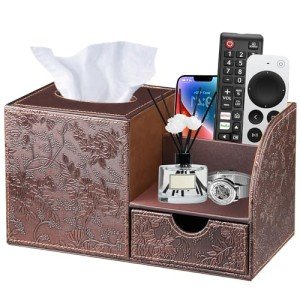
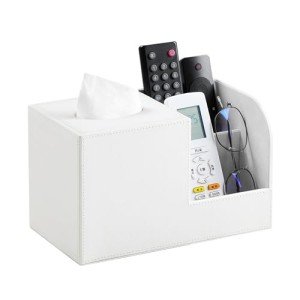
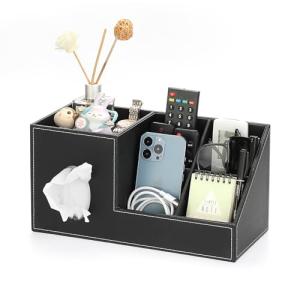
- In multi-function units, a load bearing frame supports peripheral weight; verify that the storage partitions are structurally tied to the main base for better balance.
Related Categories
If you are researching complete organization systems for the bedroom or bath, you may also find the technical durability guides for these categories useful: