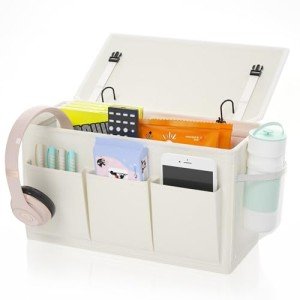
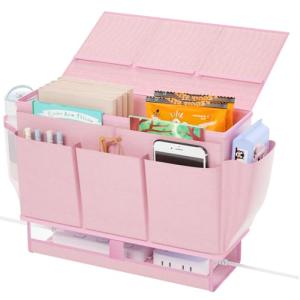
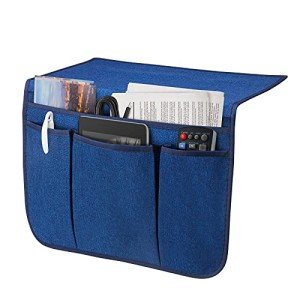
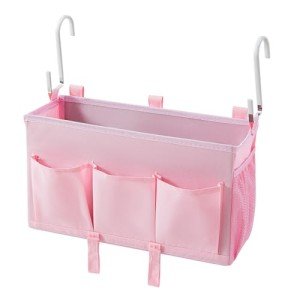
Maintenance & Troubleshooting
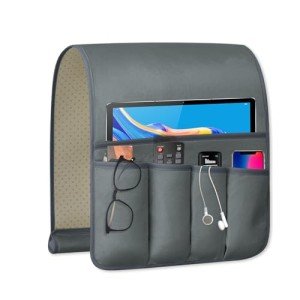
To prevent irreversible material creep, rotate the contents of your pockets monthly to redistribute the weight across the primary seams. Periodically vacuuming the inner linings prevents grit from acting as an abrasive against both the caddy’s fabric and your delicate electronic screens.
Common Failure Modes
Even the most durable bedside organizers face mechanical and material challenges over time due to consistent weight and usage.
- Prevent textile fiber thinning by using the smallest pockets for heavy smartphones to minimize fabric stretching.
- Avoid creep deformation by removing heavy books when not in active use to allow the fibers to recover their original shape.
- Reduce abrasive wear by choosing caddies with silk or microfiber linings that decrease friction during the insertion of items.
- Address stitch failure by reinforcing the top corners with a simple hand-sewn tack if you notice threads beginning to pull.
- Mitigate cushion collapse by inserting a thin piece of rigid cardboard behind the foam to restore vertical support.
- Stop impact fracture by avoiding sitting on the edge of the mattress where the caddy's rigid internal boards are tucked.
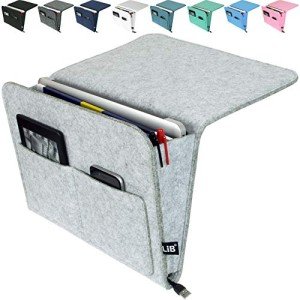
- Counteract cyclic fatigue failure by opting for heavy-duty canvas or felt materials that possess higher elastic recovery rates.
Environmental Stress Factors
The bedroom environment plays a critical role in the long-term integrity of your storage accessories.
- Manage the dust load by using a lint roller inside the compartments once a week to keep the environment hygienic for glasses and remotes.
- Shield against high UV exposure by positioning the caddy on the side of the bed furthest from direct window light to prevent fiber embrittlement.
- Neutralize high humidity acceleration by ensuring the bedroom is well-ventilated, preventing the adhesive bonds from softening and detaching.
- Combat pet hair clogging by applying a fabric protector spray that makes it harder for fur to weave into the organizer's exterior surface.
Key Components
Each bedside caddy is engineered with specific parts designed to provide stability and ease of access.
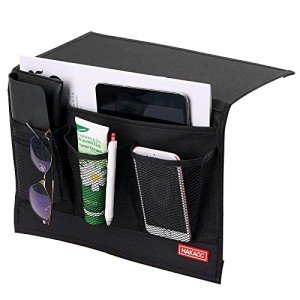
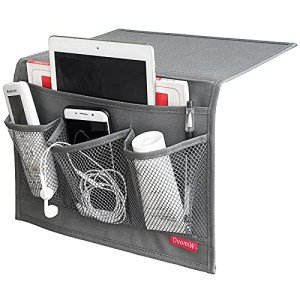
- The structural housing acts as the chassis of the unit; verify it has a long "tuck-in" flap to provide enough friction against the mattress.
- A rigid polymer shell is often hidden inside the back panel to prevent the organizer from curling outward when loaded.
- The upholstery fabric layer should be high-denier polyester or thick felt to resist tearing under the weight of chargers and tablets.
- A dense foam core provides the necessary "spring" to keep the pockets open and accessible rather than collapsing flat.
- A high-quality adhesive bond layer is required to keep the internal stiffeners attached to the outer fabric during seasonal temperature shifts.
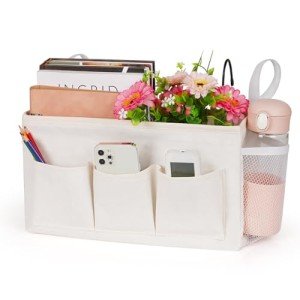
- The container system refers to the internal pocket dividers; ensure these are cross-stitched to the main body for maximum durability.
Related Categories
If you are researching full-room setups, you may also want to review the failure expectations for these related devices: