Maintenance & Troubleshooting
Regularly checking the torque on expandable joints and wiping down tiers with pH-neutral cleaners prevents the chemical etching and structural loosening that often leads to total rack failure. Proactive maintenance ensures your storage architecture doesn't become a safety hazard for glass jars during quick meal preparation.
Common Failure Modes
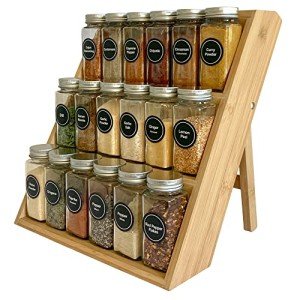
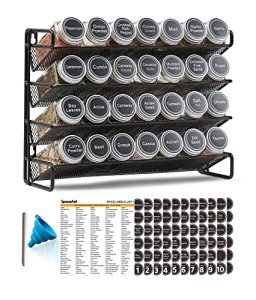
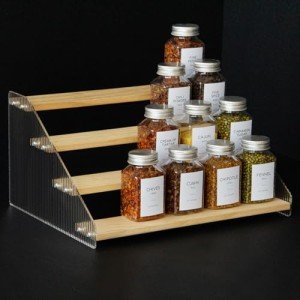
Tiered organizers face specific mechanical challenges due to the weight of glass jars and frequent handling.
- Prevent structural warping by placing the heaviest glass jars on the bottom tier to lower the center of gravity and reduce shelf stress.
- Minimize abrasive wear by adding thin silicone liners to the tiers, which protects the factory finish from the friction of glass bottoms.
- Address joint loosening in expandable models by inspecting and tightening all hardware every six months to maintain lateral stability.
- Avoid impact fracture in polymer models by placing jars gently rather than dropping them, as repeated high-velocity impacts fatigue the plastic.
- Counteract overload deformation by strictly adhering to weight limits and avoiding the use of the rack for heavy canned goods.
- Stop coating peeling by immediately wiping away acidic spills like vinegar or lemon juice, which can dissolve protective paint layers.
- Fix adhesive bond failure on non-slip pads by cleaning the contact surface with isopropyl alcohol before applying new high-strength rubber feet.
Environmental Stress Factors
The kitchen environment is uniquely taxing on storage materials due to cooking vapors and light exposure.
- Combat high humidity acceleration by placing racks away from the stove's steam, which prevents wood rot and metal oxidation.
- Reduce high UV exposure by moving countertop racks out of direct sunlight to prevent the plastic from becoming brittle and yellowed.
- Manage dust load and grease buildup by performing a deep degreasing once a month to prevent the formation of a permanent, sticky film.
- Prevent cleaner compatibility conflict by avoiding bleach-based sprays, which can cause micro-cracking in acrylic tiers.
Key Components
Each part of a tiered rack is engineered to provide balance and accessibility for your seasoning collection.
- The load bearing frame is the backbone of the unit; look for welded joints or heavy-duty gauges to ensure the tiers don't bow under pressure.
- A robust structural housing keeps the tiers parallel and ensures the unit remains square on uneven cabinet surfaces.
- The fastener system is often the weakest point; choosing models with locking washers can prevent the screws from backing out over time.
- The polymer shell provides a smooth, non-porous surface that is easy to sanitize if a spice jar leaks or breaks.
- The base surface coating is essential for grip; inspect it for wear to ensure the rack doesn't slide when you reach for a bottle.
- The container packaging system protects the unit during transit and should be checked for pre-existing stress fractures before assembly.
Related Categories
If you are researching comprehensive pantry organization, you may also want to review the failure expectations for these related devices: