Maintenance & Troubleshooting
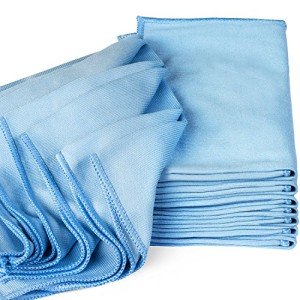
Maximizing the capillary action of a microfiber towel requires a strict cold-water, detergent-only laundry protocol to prevent hydrophobic wax buildup. Effective troubleshooting for "streaky" towels involves a distilled vinegar strip-wash to dissolve mineral deposits trapped within the split-fiber wedge.
Common Failure Modes
Over time, the effectiveness of specialized cleaning cloths can diminish due to improper care or excessive physical strain on the fibers.
- Repeated washing at high temperatures often leads to Polymer Softening; always air-dry or use the "no heat" setting to prevent the fibers from melting into a non-absorbent state.
- Aggressive scrubbing on rough surfaces causes Textile Fiber Thinning; reserve plush towels for finished glass and use lower-GSM rags for heavy-duty mechanical scrubbing.
- The use of fabric softeners results in Surfactant Breakdown; eliminate all softeners and dryer sheets from the laundry cycle to maintain the cloth's natural thirst.
- Excessive tension during manual wringing leads to Stitch Failure; gently squeeze towels to remove water rather than twisting them to preserve the structural integrity of the hem.
- Scrubbing dried adhesives causes Surface Scratching of the fibers; pre-treat sticky residues with a solvent before wiping to prevent the towel from becoming a source of micro-scratches.
- Heavy grease saturation leads to Oil Rancidity; perform a dedicated degreasing soak with a specialized microfiber restorer to strip oils from the fiber core.
- Storing towels while damp triggers Mold Growth; ensure towels are 100% dry before folding and storing them in enclosed spaces to prevent fungal degradation.
Environmental Stress Factors
The environment in which your towels are used and stored plays a critical role in maintaining their streak-free capabilities.
- Washing cloths in areas with high mineral content causes Hard Water Buildup; add a half-cup of white vinegar to the rinse cycle to neutralize calcium and magnesium deposits.
- Leaving towels in direct sunlight results in High UV Exposure; store your textiles in dark cabinets to prevent the synthetic polymers from becoming brittle and shedding lint.
- Households with shedding animals lead to Pet Hair Clogging; keep microfiber separate from other laundry and store in sealed bins to prevent hairs from embedding in the fiber wedges.
- Storing supplies in an open garage leads to a heavy Dust Load; always shake out a towel before use and store "clean" stock in airtight containers to avoid dragging trapped grit across sensitive surfaces.
Key Components
Each towel is a technical tool comprised of specific materials designed to work in harmony for a residue-free result.
- The foundation of the cloth is the Polymer Shell, which must be a specific ratio (typically 70/30 or 80/20) of polyester to polyamide for optimal durability.
- The split-fiber technology acts as the Active Ingredient, providing the mechanical hook-and-loop action required to lift microscopic debris.
- A high-quality Surfactant is used in manufacturing to ensure the towel is hydrophilic; if a new towel repels water, it requires an initial wash to "activate" the fibers.
- The hem serves as the Fastener; look for silk-banded or ultrasonic-cut edges to minimize the risk of the edge stitching scratching the work surface.
- The microscopic gaps between fibers function as the Carrier Base, utilizing capillary action to pull liquids up and away from the substrate being cleaned.
Related Categories
If you are researching professional surface maintenance and textile longevity, you may also be interested in the hardware requirements for these related storage and transport systems: