Maintenance & Troubleshooting
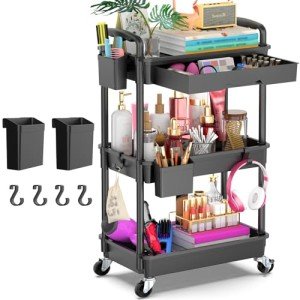
Preventing caster seizure requires a quarterly extraction of fiber buildup and a re-tensioning of the main frame fasteners. Monitoring the sliding tracks for metal-on-metal friction can stop premature rail wear before it necessitates a full drawer system replacement.
Common Failure Modes
Mechanical fatigue and physical stress can compromise the mobility and safety of your utility carts over time.
- Repeated loading beyond rated limits often leads to overload deformation; verify the maximum weight per shelf and distribute heavy items on the bottom tier to prevent bowing.
- The accumulation of debris within the wheel housing frequently causes bearing wear rotational friction; clear the axels with a needle-nose tool monthly to maintain a smooth steering radius.
- Constant movement across uneven thresholds may result in joint loosening; use a hex key or wrench to tighten all connection points every six months to eliminate structural wobble.
- When used for heavy items, the frame may experience cyclic fatigue failure; inspect weld points for hairline fractures if the cart is frequently used on rough or outdoor surfaces.
- Plastic connectors on budget models are susceptible to stress cracking; avoid slamming the unit into baseboards or overfilling bins to prevent sudden polymer failure.
- Poorly lubricated tracks on drawer-based models often suffer from sliding track wear; apply a dry PTFE lubricant to the rails to prevent metal grinding and ensure effortless opening.
- In humid environments, steel components without proper treatment might exhibit corrosion; wipe down the frame with a moisture-displacement spray to protect the finish in laundry or garage settings.
Environmental Stress Factors
The specific conditions of your storage area significantly influence the degradation rate of cart materials.
- In workshops or laundry rooms, a heavy dust load can ruin aesthetics; use a soft brush or compressed air to keep the frame and axels free of abrasive particulate matter.
- For units kept near sunny windows, high UV exposure causes brittleness; choose metal-framed carts for sun-drenched areas to avoid the degradation associated with polymer trays.
- In homes with animals, pet hair clogging is a primary cause of caster failure; flip the cart and use a seam ripper to remove wound hair from the wheel hubs to prevent total seizure.
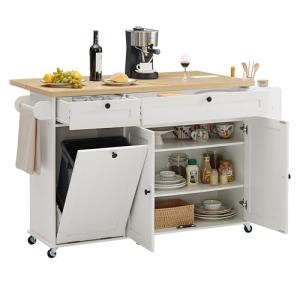
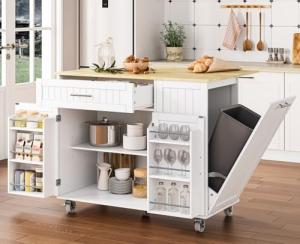
- Kitchen carts stored near stoves must withstand temperature extremes; ensure at least 12 inches of clearance from heat sources to prevent the thermal expansion of fasteners.
Key Components
A high-quality trolley relies on several critical engineered parts to provide reliable, mobile storage capacity.
- The load bearing frame serves as the structural skeleton, dictating the overall rigidity and weight capacity of the entire unit.
- Smooth navigation is made possible by the rotational drive assembly, which enables the 360-degree swivel required for tight cornering.
- To ensure quiet and fluid movement, the bearing system manages the rotational force between the axel and the wheel.
- Units featuring a polymer shell provide a lightweight, dent-resistant surface that is ideal for high-traffic environments where metal might dinge.
- Security is maintained through a robust fastener system that keeps the shelving levels securely locked to the upright supports.
- For carts with drawers, the sliding rail system ensures the storage compartments stay aligned and move smoothly without catching.
Related Categories
If you are researching mobile organization for specific rooms, you may also want to review the failure expectations for these specialized carts: