Maintenance & Troubleshooting
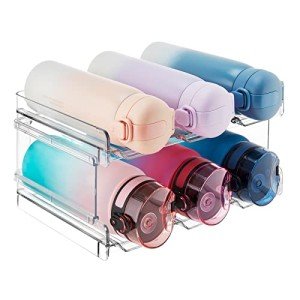
Regularly rotating bottle positions between tiers prevents localized material fatigue and helps avoid the permanent structural bowing associated with static heavy loads. Periodically checking the friction-fit of interlocking joints ensures the vertical stack remains plumb and won't succumb to a catastrophic tip-over during use.
Common Failure Modes
Even robust organizers can face structural issues over time due to weight distribution and material fatigue.
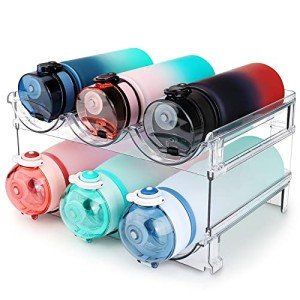
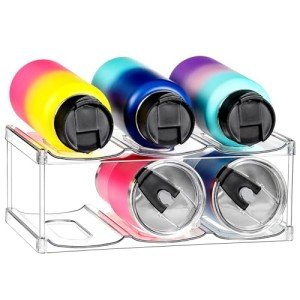
- Prevent Creep Deformation by placing the heaviest insulated flasks on the bottom-most tier to keep the center of gravity low and reduce rail stress.
- Address Small Hardware Failure by applying a tiny amount of silicone lubricant to plastic pins during assembly to prevent snapping under friction.
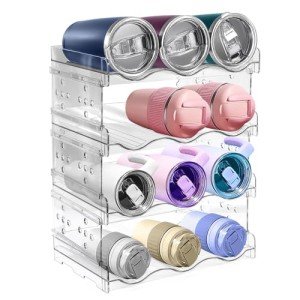
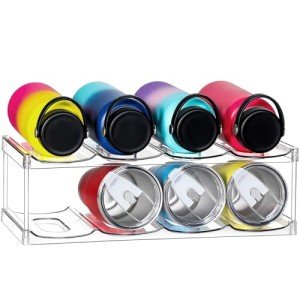
- Avoid Stress Cracking by hand-washing acrylic components in lukewarm water; never put transparent racks in the dishwasher where heat-cycling causes micro-fractures.
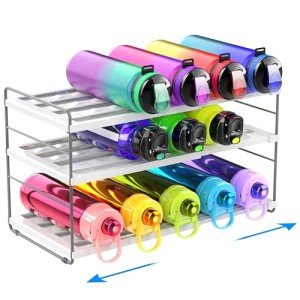
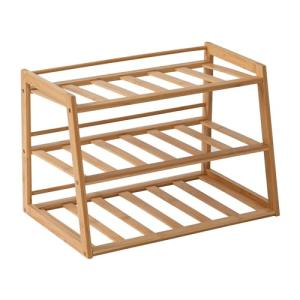
- Reduce Abrasive Wear by placing a thin silicone mat or adhesive felt pads under the base unit to buffer movement against wire or wooden shelving.
- Minimize Impact Fracture risk by guiding heavy metal bottles into the cradle rather than letting them drop, which preserves the brittle polymer lattice.
- Combat Joint Loosening by ensuring each tier is fully seated and "clicked" into place; use a rubber mallet for a firm, level fit if the connection feels loose.
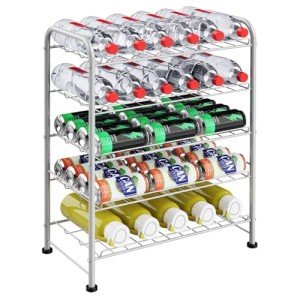
- Manage Coating Peeling on metal units by using touch-up enamel on any visible nicks to stop oxidation before it undermines the weld points.
Environmental Stress Factors
The environment where you store your bottles significantly impacts the longevity of the racking system.
- Mitigate High Humidity by wiping down racks in refrigerator or basement settings weekly to prevent moisture from weakening the molecular bonds of the plastic.
- Shield against High UV Exposure by positioning pantry racks away from direct afternoon sunlight, which prevents the "chalking" and brittleness typical of solar-damaged polymers.
- Clean the Dust Load with a microfiber cloth; accumulated kitchen grease acts as a binder for dust that can chemically etch the finish over time.
- Avoid a Cleaner Compatibility Conflict by using only pH-neutral dish soap; avoid window cleaners or alcohol-based sprays that can cause clear plastic to "haze."
Key Components
Each part of the rack is engineered to handle the specific weight and dimensions of water bottles.
- The Load Bearing Frame acts as the primary skeleton; look for reinforced ribbing on the underside of the cradles for maximum weight capacity.
- A high-grade Polymer Shell should be BPA-free and flexible enough to absorb the impact of a falling bottle without shattering.
- The Structural Housing defines the cradle geometry; ensure the curve matches your widest bottle to prevent "point-loading" the plastic.
- An integrated Adhesive Bond Layer on the feet is essential for stability on smooth countertop surfaces like granite or quartz.
- The Fastener System, whether clip-in or slide-lock, must be checked for tight tolerances to ensure the units don't shift during bottle retrieval.
If you are researching full-room setups, you may also want to review the failure expectations for these related devices: