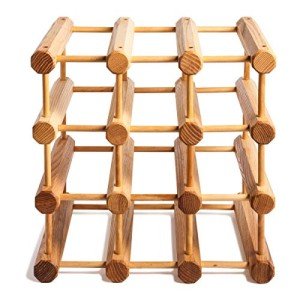
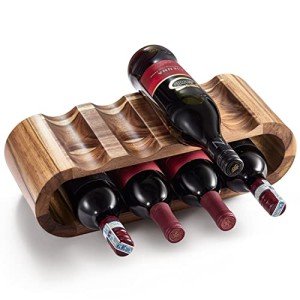
Maintenance & Troubleshooting
Proactive hardware audits, such as re-torquing fasteners every six months, prevent the cumulative joint play that leads to rack wobbling. Monitoring the interface between the rack feet and the flooring surface is also critical to ensure that environmental vibrations don't cause the primary load-bearing frame to "walk" or shift over time.
Common Failure Modes
Over time, physical stress and material fatigue can compromise the safety of your wine storage system.
- Mitigate Cyclic Fatigue by alternating bottle placement during restocking to prevent the same support arms from bearing the maximum load indefinitely.
- Prevent Creep Deformation in wooden units by avoiding top-heavy loading; always populate the lowest tiers first to keep the center of gravity stable.
- Stop Corrosion on metal frames by applying a thin coat of carnauba wax to weld points, especially in coastal areas with high salt-air content.
- Correct Joint Loosening immediately by using thread-locking fluid on modular screws to prevent the rack from developing a dangerous lateral lean.
- Manage Coating Peeling by sanding down flaking sections and resealing them with a food-safe enamel to stop moisture from tunneling under the finish.
- Avoid Impact Fracture in acrylic or ceramic models by installing the holder away from high-traffic corners where vacuum cleaners or chairs might strike the base.
- Prevent Overload Deformation by strictly adhering to the manufacturer’s bottle-count limit; exceeding weight ratings can lead to immediate weld failure.
Environmental Stress Factors
The surrounding atmosphere plays a critical role in the longevity of both the holder and the wine.
- Control High Humidity with a dehumidifier in cellars to prevent timber swelling, which can cause wine bottles to become "wedged" in their cradles.
- Limit High UV Exposure by using UV-filtering window films; solar radiation rapidly degrades the polymer bonds in clear acrylic holders and fades wood stains.
- Reduce the Dust Load by using a compressed air duster monthly, as accumulated grit can act as an abrasive that scratches glass and labels during bottle retrieval.
- Buffer Temperature Extremes by placing racks away from HVAC vents, which prevents the rapid expansion and contraction that loosens mechanical fasteners.
Key Components
High-quality wine racks rely on precision-engineered parts to distribute weight and ensure bottle safety.
- The Load Bearing Frame should be inspected for squareness to ensure that the weight of the bottles is hitting the vertical supports at a true 90-degree angle.
- A high-torque Fastener System using steel bolts is preferable to plastic clips for any system holding more than six bottles.
- The Structural Housing must provide enough lateral rigidity to prevent "racking," the side-to-side swaying that occurs under a full load.
- Ensure any Glass Panel is made of tempered safety glass to prevent jagged shards in the event of an accidental impact.
- Inspect the Adhesive Bond on non-mechanical joints for signs of "silvering" or lifting, which indicates the glue is failing due to heat or age.
- The Container Packaging should include high-density foam corner protectors to ensure the frame hasn't been pre-stressed or bent during shipping.
If you are researching full-room setups, you may also want to review the failure expectations for these related devices: