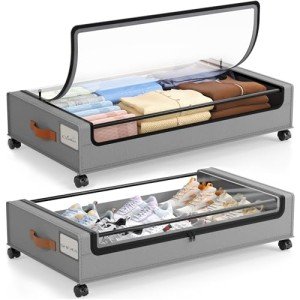
Maintenance & Troubleshooting
Regularly clearing debris from the wheel axles and re-tightening the caster fasteners prevents the uneven weight distribution that leads to frame cracking. Applying a dry PTFE lubricant to the bearing system once a year ensures the unit glides without putting unnecessary stress on the handle or the drawer base.
Common Failure Modes
Mechanical fatigue and material stress can eventually impact the mobility and structural integrity of under-bed storage units.
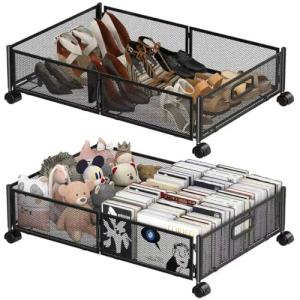
- Repeated heavy loading often leads to structural warping; avoid stacking heavy books at one end to ensure the frame remains square for smooth sliding.
- The constant movement of wheels across carpets or hardwood results in abrasive wear; inspect wheel tread monthly and replace damaged casters to prevent scratching your floor.
- Excessive weight beyond the rated capacity causes overload deformation; distribute heavy items like building blocks evenly across the drawer floor to protect the base.
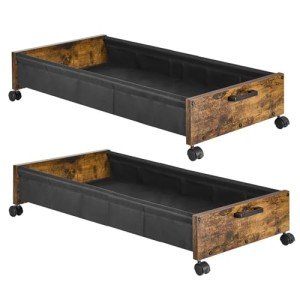
- Frequent pulling and pushing can cause joint loosening; check the handle attachment points every few months and tighten any hex bolts or screws that have backed out.
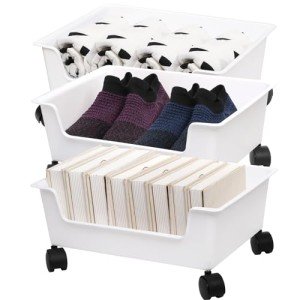
- In plastic models, high-stress areas may eventually exhibit stress cracking; avoid "dropping" heavy items into the drawer to prevent localized impact fractures in the polymer.
- Over time, the fasteners holding the casters in place may suffer from small hardware failure; replace stripped screws with slightly larger gauge hardware to restore a secure connection.
Environmental Stress Factors
The micro-environment at floor level presents unique challenges that can degrade storage materials over time.
- The most common issue under furniture is dust load; use a vacuum crevice tool to clean the drawer's path and wheels weekly to maintain low friction.
- In homes with animals, pet hair clogging frequently seizes axles; use a pair of tweezers to clear hair wrap from the wheels before it melts into the plastic bearings.
- In basement bedrooms, high humidity acceleration can swell wood; maintain a 40-50% humidity level to prevent the drawer from expanding and sticking under the bed.
Key Components
High-quality construction depends on several critical parts working together to ensure smooth, accessible storage.
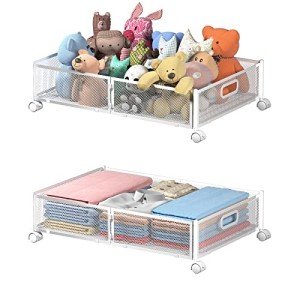
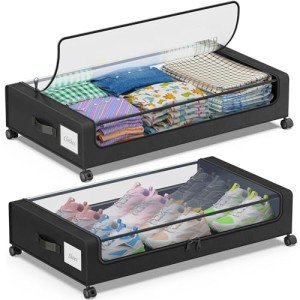
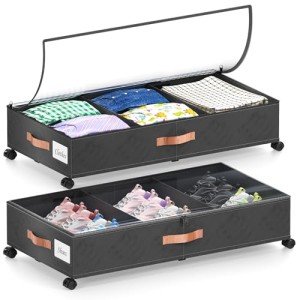
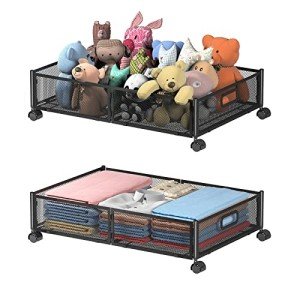
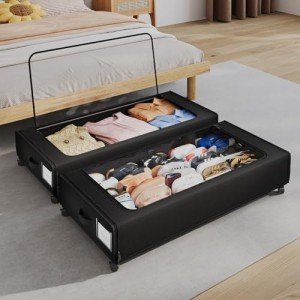
- The structural housing serves as the main body of the drawer, providing the volume and strength needed for toy storage.
- Movement is facilitated by the bearing system, which ensures the wheels rotate freely under significant weight loads.
- A reinforced fastener system keeps the wheels, handles, and base plates securely attached during frequent daily use.
- The polymer shell used in many models offers a lightweight yet impact-resistant exterior that is easy to clean.
- Integrated dispensing mechanism components, like easy-pull handles, allow children to access their toys without straining or pinching fingers.
Related Categories
If you are researching full-room storage setups, you may also want to review the failure expectations for these related devices:
- For long-term protection of seasonal clothing, review the seal durability of hard plastic under bed bins.
- Keep frequent-use items accessible with a bedside caddy to reduce the daily mechanical load on your floor drawers.
- Create a vertical storage system using stackable toy bins to save floor space in smaller playrooms.