Maintenance & Troubleshooting
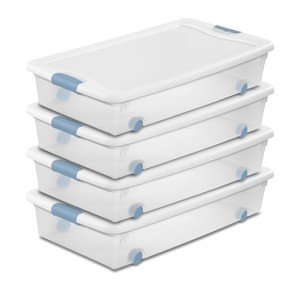
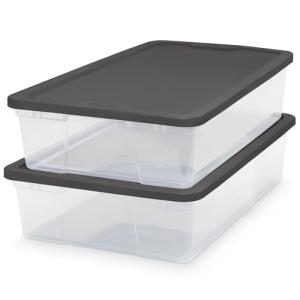
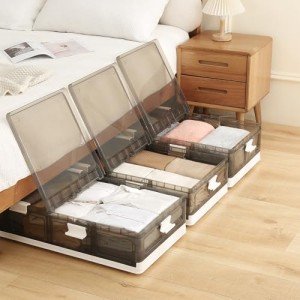
To extend the life of high-density polyethylene bins, you must rotate weight distributions quarterly to prevent permanent material sagging. Regularly clearing dust from the lid gaskets is the only way to ensure the seal remains airtight against moisture and pests.
Common Failure Modes
Even heavy-duty plastics are susceptible to specific mechanical and structural breakdowns over time when subjected to improper handling or weight distribution.
- To prevent Cyclic Fatigue, avoid repeatedly dragging bins that are loaded beyond their rated weight capacity to stop hairline fractures before they start.
- Prevent Creep Deformation by placing a rigid board under the bin if it is stored on uneven carpet, ensuring the base remains flat over years of use.
- Avoid an Impact Fracture by letting plastic reach room temperature before handling, as cold polymers become brittle and prone to shattering on impact.
- Reduce Abrasive Wear by applying felt adhesive strips to the bottom of the bin to act as a sacrificial layer against hardwood or tile friction.
- Stop Stress Cracking by ensuring the lid closes without force; if you have to sit on the lid to latch it, you are compromising the rim's integrity.
- Eliminate Overload Deformation by stacking heavier bins on the bottom and lighter ones on top, never exceeding a three-unit vertical stack.
Environmental Stress Factors
The conditions beneath your bed play a critical role in how long your plastic storage bins maintain their clarity and strength.
- Mitigate High UV Exposure by using a bed skirt to block direct sunlight, which prevents the chemical breakdown that leads to yellowing.
- Combat High Humidity Acceleration by placing silica desiccant packets inside the bins to absorb trapped moisture that the lid seal cannot vent.
- Manage the Dust Load by vacuuming the exterior latching points monthly to prevent abrasive grit from seizing the locking mechanisms.
- Avoid a Cleaner Compatibility Conflict by using only mild soap and water; solvent-based cleaners can leach plasticizers and cause immediate brittleness.
Key Components
The engineering of a high-quality under-bed bin relies on several integrated components that define its utility and longevity.
- The Polymer Shell serves as the primary barrier; look for high-density variants that offer better impact resistance.
- A functional Seal Gasket System is vital for long-term storage; check that the rubber or foam is seated deeply in the lid channel.
- The Load Bearing Frame should feature a honeycomb or ribbed pattern on the underside to prevent the center of the bin from touching the floor.
- Inspect the Hinge Pivot Assembly for thick plastic pins, as thin hinges are the most common point of failure during lid operation.
- A robust Fastener System should provide an audible click, indicating the tension required to compress the gasket is successfully applied.
If you are researching full-room setups, you may also want to review the failure expectations for these related devices: