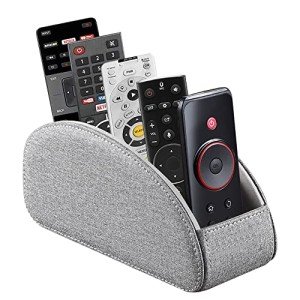
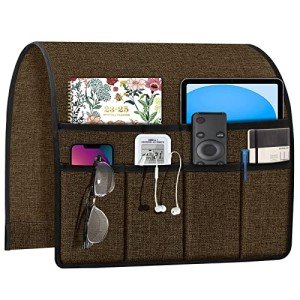
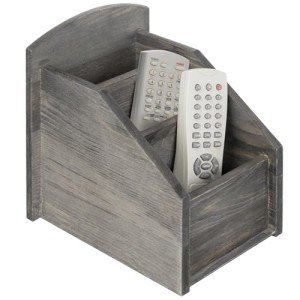
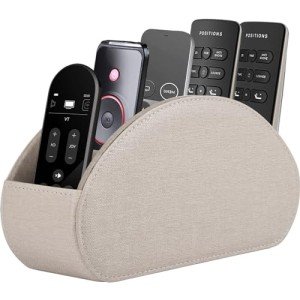
Maintenance & Troubleshooting
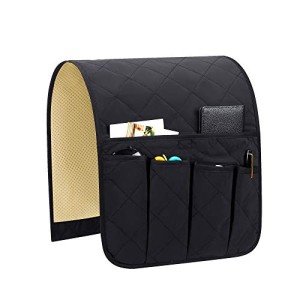
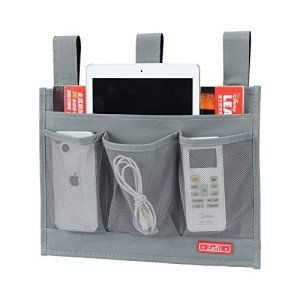
Routine inspection of seam tension and base friction pads prevents the gradual sliding that leads to structural warping or accidental device drops. Periodically vacuuming internal pockets is critical to prevent grit from acting as an abrasive against sensitive remote buttons and touchscreens.
Common Failure Modes
Even the most robust organizers can succumb to mechanical stress and material degradation over time if not properly maintained.
- Prevent Cushion Collapse by alternating the slots used for heavy tablets to allow internal foam cells time to recover their original loft.
- Avoid Stitch Failure by limiting the number of devices per pocket; check for fraying threads at stress points and reinforce them with a heavy-duty nylon thread if visible.
- Mitigate Structural Warping by ensuring the internal frame is never subjected to high-heat sources like laptops or game console exhaust vents.
- Reduce Surface Scratching by applying adhesive felt or silicone dots to the base of desktop models to provide a protective buffer.
- Correct Joint Loosening in rigid models by applying a small amount of non-expanding glue to dowel or clip connections at the first sign of a wobble.
- Counteract Adhesive Bond Failure by keeping the caddy in a climate-controlled area; if the lining begins to lift, re-secure it with a heat-resistant fabric adhesive.
- Stop Overload Deformation by distributing the total weight of your remote collection symmetrically to prevent the divider walls from bowing permanently.
Environmental Stress Factors
The longevity of your caddy is heavily influenced by the conditions of the room in which it is placed.
- Shield materials from High UV Exposure by rotating the caddy's position weekly, which prevents uneven fading and the embrittlement of vegan leather finishes.
- Minimize the Dust Load by using an anti-static duster; accumulated dust in pockets can migrate into remote circuitry and cause button sticking.
- Slow down High Humidity Acceleration by ensuring adequate airflow around the unit to prevent mold spores from rooting in fabric fibers or wood substrates.
- Prevent Pet Hair Clogging by using a lint roller on the interior pockets monthly to stop hair from fouling the friction pads or device ports.
Key Components
High-quality caddies rely on specific structural elements to provide a secure and organized environment for your media tools.
- The Structural Housing must be examined for torsional rigidity; a housing that twists easily will likely fail at the seams under load.
- A high-denier Upholstery Fabric is essential for resisting the abrasive "poke-through" effect caused by the sharp corners of modern remotes.
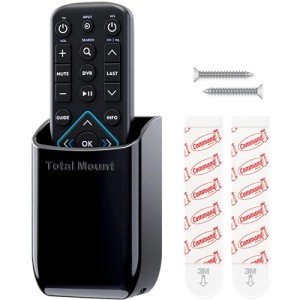
- The Polymer Shell in rigid units should be made of high-impact plastic to survive accidental drops from coffee tables without shattering.
- The Load Bearing Frame, often made of MDF or steel, provides the necessary counterweight to keep armrest models from sliding onto the floor.
- An industrial-grade Adhesive Bond is the invisible link that prevents internal dividers from collapsing when a heavy smartphone is inserted.
- The Foam Core acts as a shock absorber; check that the foam is "high-resilience" to ensure it doesn't bottom out over months of use.
If you are researching full-room setups, you may also want to review the failure expectations for these related devices: