Maintenance & Troubleshooting
Regularly rotating the contact points on rubberized cradles prevents permanent compression of the controller's specialized grips. For wall-mounted systems, a bi-annual torque check on the primary fasteners is essential to ensure that micro-vibrations from nearby speakers haven't compromised the mounting substrate.
Common Failure Modes
Over time, mechanical stress and material fatigue can compromise the integrity of your controller storage systems.
- Mitigate Cyclic Fatigue by alternating which slots hold the heaviest "Pro" or "Elite" controllers to distribute weight-bearing stress more evenly across the support arms.
- Prevent Joint Loosening in wall units by using toggle bolts or expansion anchors rather than standard plastic plugs, especially on drywall.
- Address Elastomer Hardening by occasionally applying a food-grade silicone oil to the cradle padding to maintain its pliability and non-slip grip.
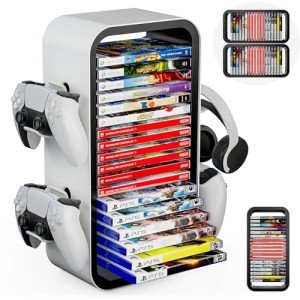
- Avoid Stress Cracking by ensuring the combined weight of your peripherals never exceeds the rack's rated static load, particularly in injection-molded plastic models.
- Stop Surface Scratching by lining metal cradle edges with thin adhesive felt to buffer the interface between the rack and the controller’s finish.
- Combat Corrosion in humid setups by using a powder-coated or stainless steel frame, and wipe down metal components monthly with a dry microfiber cloth.
- Correct Spring Elasticity Loss by avoiding "over-stretching" universal mounts; always release the tension slowly rather than letting the clip snap back.
Environmental Stress Factors
External conditions play a significant role in the longevity and appearance of your gaming organization tools.
- Reduce the Dust Load by using an air canister to clean rack crevices weekly, preventing grit from migrating into the controller's sensitive stick modules.
- Shield against High UV Exposure by positioning desktop stands away from direct sunlight to prevent the "chalking" and embrittlement of plastic housings.
- Mitigate High Humidity Acceleration in basement gaming rooms by utilizing a dehumidifier to protect the adhesive bonds between the frame and its non-slip padding.
Key Components
The reliability of a controller rack depends on the quality and design of its core structural elements.
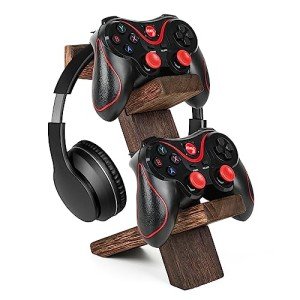
- The Load Bearing Frame must be rigid enough to resist "racking"—a twisting motion that can cause a desktop stand to become wobbly and unstable.
- A high-impact Polymer Shell is vital for long-term durability; look for ABS or polycarbonate blends that offer better fracture resistance than cheap styrene.
- The Fastener System should ideally include steel hardware with integrated locking washers to prevent the assembly from loosening over thousands of usage cycles.
- A high-bond Adhesive Bond is necessary to keep padding in place; if the adhesive fails, the exposed underlying frame can cause permanent scuffing to the controller.
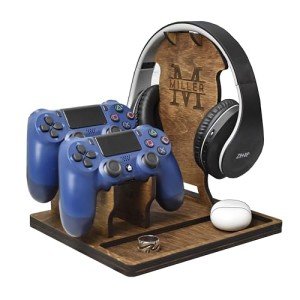
- The Structural Housing should feature a wide base or weighted bottom to lower the center of gravity and prevent the unit from tipping during rapid retrieval.
- Look for a specialized Surface Coating that is resistant to skin oils (sebum), as these chemicals can eventually dissolve some lower-grade plastic finishes.
If you are researching full-room setups, you may also want to review the failure expectations for these related devices: