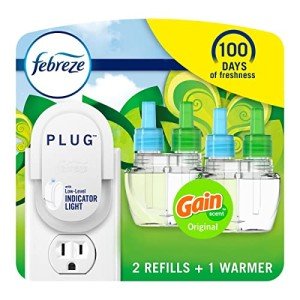
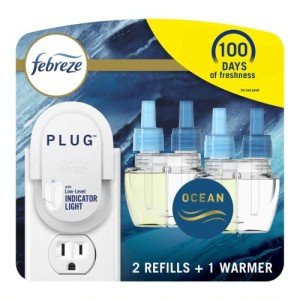
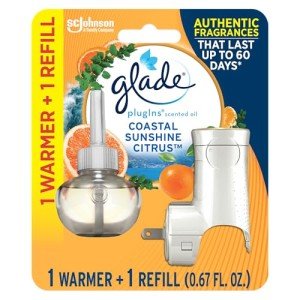
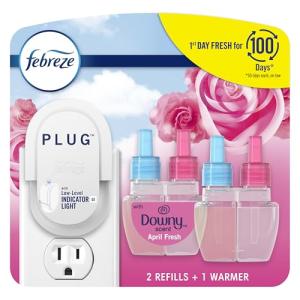
Maintenance & Troubleshooting
Preventing oil leakage and thermal runaway requires a strict "upright-only" storage protocol and periodic removal of dust from the heating vents. Regularly wiping the ceramic or metal heating interface prevents carbonized oil from insulating the element and causing it to overheat.
Common Failure Modes
Technical malfunctions in scent dispensers often stem from electrical wear or chemical changes in the fragrance oil itself.
- Internal heating components may fail to reach vaporization temperatures due to Heater Burnout; always ensure the unit is unplugged when the refill is empty to prevent dry-firing the element.
- The structural integrity of the plastic housing can weaken, leading to Stress Cracking; avoid over-tightening refills and keep the unit away from direct sunlight to preserve the polymer's strength.
- Volatile aromatic compounds can lose their potency through Fragrance Degradation; store unused refills in a cool, dark cabinet to lock in the intended scent profile.
- Repeated thermal cycles can cause a Solder Joint Crack; if the device flickers or loses power, inspect the plug prongs for physical stability and avoid high-traffic outlets where the unit might be bumped.
- Exposure to air during changes can ruin oil quality via Active Oxidation; keep the refill cap tightly sealed until the exact moment of insertion into the warmer.
- Inefficient delivery occurs when ingredients separate during Emulsion Separation; gently swirl the refill bottle before installation to ensure the fragrance and carrier are fully blended.
- Small leaks can allow oils to escape via Propellant Leakage; inspect the wick and seal for dampness before plugging in to prevent oil from dripping onto electrical outlets.
Environmental Stressors
External conditions significantly impact how scent molecules travel and how long the electronic hardware survives.
- Settled particles that block scent release create a heavy Dust Load; use a can of compressed air to clear the top vents monthly to maintain proper airflow and cooling.
- Fluctuating climates can lead to hardware failure caused by Temperature Extremes; avoid using plug-ins in uninsulated garages or near exterior doors where rapid temperature swings can fatigue the circuitry.
- Moisture can cause internal electrical shorts through High Humidity Acceleration; ensure bathrooms are well-ventilated to prevent steam from condensing inside the warmer's housing.
Key Components
Each plug-in unit relies on a precise combination of electrical and chemical systems to function safely.
- The Fragrance is a blend of aromatic molecules that determines the "throw" and longevity of the scent throughout the room.
- To keep the exterior safe to the touch, the device uses an Insulation System that directs heat toward the wick rather than the outer casing.
- The Heating Element is the mechanical heart of the unit, usually a metal-oxide resistor designed for continuous, low-wattage operation.
- Aromatic oils are held within a Container Packaging that must be made of chemical-resistant glass or high-density plastic to prevent leaching.
- Controlled scent release is governed by the Carrier Base, which stabilizes the essential oils and regulates the evaporation rate.
- The Polymer Shell provides the primary defense for internal electronics against accidental impacts and oil spills.
Related Categories
If you are researching full-room air quality and device durability, you may also find relevant technical data in these related categories: