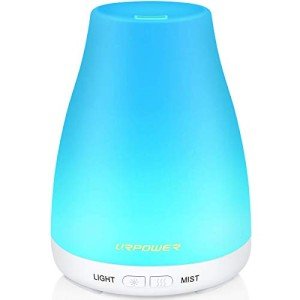
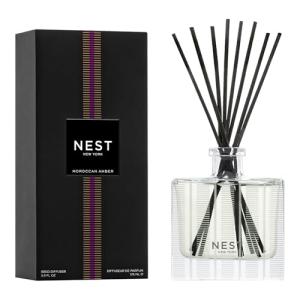
Maintenance & Troubleshooting
Preventing total system failure requires a weekly citric acid soak to dissolve the calcium bonds that dampen ultrasonic frequency. Without this specific chemical maintenance, the transducer will overheat while trying to push mist through mineral layers, leading to a permanent burnout of the control board.
Common Failure Modes
The longevity of an aromatherapy system depends on preventing mechanical and chemical degradation within its small-scale components.
- Internal electronics often succumb to voltage sensitivity; always use the manufacturer-specified AC adapter to prevent board-level surges during high-frequency operation.
- The mist-producing components frequently experience mineral buildup; use distilled water or a weekly descaling solution to keep the ultrasonic plate clear.
- The high-frequency vibration of the transducer can lead to solder joint crack; place the unit on a stable, level surface to minimize harmonic stress on the internal circuitry.
- Rubber seals within the water reservoir often suffer from seal shrinkage; apply a thin layer of food-grade silicone grease to the gasket once a year to maintain flexibility.
- Leftover water trapped in the base can encourage microbial risk; wipe the reservoir dry with a microfiber cloth every 48 hours to prevent biofilm formation.
- The outer casing may fail due to stress cracking; immediately wipe away any oil drips from the exterior to prevent the chemical breakdown of the plastic shell.
- Extended use of citrus oils can accelerate polymer softening; verify that the internal tank is made of BPA-free, medical-grade polypropylene (PP) to withstand acidic compounds.
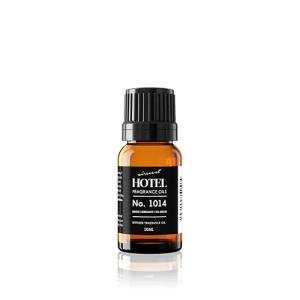
- Poor storage of the oils results in fragrance degradation; keep your oil bottles in a dark, temperature-controlled environment to stop oxidation of the botanical extracts.
Environmental Stress Factors
Your diffuser's performance is directly impacted by the quality of the air and water in its immediate surroundings.
- The most common cause of mechanical failure is hard water buildup; if your local water has high TDS levels, utilize an external filtration pitcher before filling the tank.
- External vents can become clogged due to dust load; use compressed air to clear the bottom intake vents monthly to prevent the fan motor from overheating.
- Internal fans are particularly vulnerable to pet hair clogging; elevate the diffuser at least three feet off the floor to keep airborne fur away from the intake.
- Operating in rooms with high humidity acceleration can lead to pooling; ensure the mist output is directed into open space rather than against walls or furniture.
Key Components
Every high-performance diffuser relies on a specialized set of components to turn liquid oils into a breathable fine mist.
- Researching how electronic control boards manage smart storage and where they break down is vital for understanding why specific timers or auto-off features fail.
- Effective dispersion is managed by a dedicated airflow ventilation system; listen for grinding or high-pitched whining as early warning signs of fan bearing failure.
- The therapeutic benefits of your set are preserved through a specialized fragrance system; use amber or cobalt glass bottles to block UV rays that destroy oil potency.
- A sturdy polymer shell provides the chemical resistance required to prevent the housing from warping when exposed to pure extracts.
- Safety features are triggered by a sensor system; keep the water probe clean of oil residue to ensure the auto-shutoff mechanism triggers correctly.
- Reliable daily operation is ensured by the power supply system; check the cord for fraying if the unit begins to flicker or lose mist intensity.
If you are researching full-room air quality or aromatherapy setups, you may also want to review the failure expectations for these related categories: