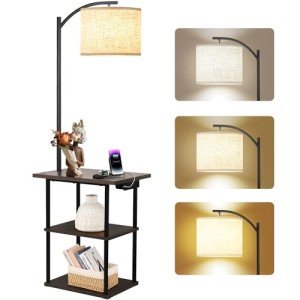
Maintenance & Troubleshooting
Preventing localized heat buildup is the single most effective way to extend the life of your furniture’s integrated electronics. Regularly inspecting ports for debris and ensuring the table is not overloaded with heavy weights will protect both the circuitry and the structural integrity of the frame.
Common Failure Modes
Integrated electronics in furniture face unique mechanical and thermal stresses that can lead to premature hardware exhaustion.
- To mitigate charger circuit stress, avoid using frayed cables and ensure plugs are seated firmly to prevent arcing within the power delivery modules.
- Prevent PCB overheating by allowing air gaps around the charging pad and avoiding thick protective cases that trap heat during high-wattage cycles.
- If you experience intermittent power, a solder joint crack may have formed; minimize physical vibration and heavy impacts on the table surface to preserve these connections.
- Address switch contact wear by using light, consistent pressure on toggles to prevent the internal carbon contacts from pitting or carbonizing.
- Avoid structural warping by distributing weight evenly across the surface, ensuring the frame does not pinch or sever the internal electrical routing.
- To protect against voltage sensitivity, always use a high-quality surge protector between the table's power cord and the wall outlet to shield surface-mount components.
Environmental Stress Factors
The placement of your tech-integrated furniture greatly influences the lifespan of its electronic and aesthetic features.
- Clear the dust load from ports monthly using compressed air to maintain efficient electrical contact and prevent thermal insulation.
- Guard against temperature extremes by keeping the unit away from radiators, which can dry out wood adhesives and cause charger housings to detach.
- To stop high humidity acceleration of corrosion, immediately dry any spills and use a dehumidifier in damp rooms to protect internal copper traces.
- Reduce high UV exposure by placing the furniture away from direct sunlight, preventing the breakdown of plastics and the bleaching of wood finishes.
Key Components
High-quality charging furniture relies on a combination of robust structural elements and precision electrical engineering.
- The primary power supply is the heart of the unit; look for heavy-duty transformers that convert AC to DC with minimal heat loss.
- Research how electronic control boards manage smarts to ensure the unit features automatic shut-off protocols to prevent battery overcharging.
- A rigid structural housing is essential for encasing the electronics and shielding them from the mechanical pressure of daily use.
- Check that the internal wiring harness is secured with slack, which prevents wires from snapping or fraying if the table is moved or adjusted.
- The relay switch assembly handles the mechanical interface for lighting; high-quality assemblies use silver-alloy contacts for longer life.
If you are researching full-room setups, you may also want to review the failure expectations for these related devices:
- Compare the thermal management of these tables with a dedicated smart nightstand designed for bedside use.
- For setups requiring more ports, consider desktop charging stations which offer more direct airflow than integrated furniture.
- Review the cable management durability of floating media consoles for larger living room configurations.
- Analyze the mechanical hinge longevity of lift top coffee tables when used as frequent workstations.