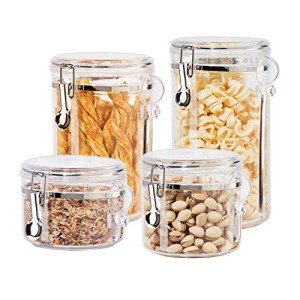
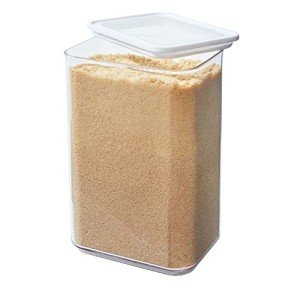
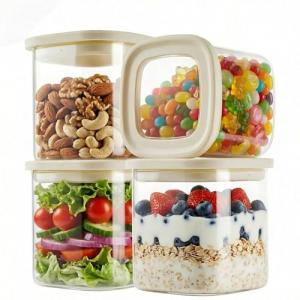
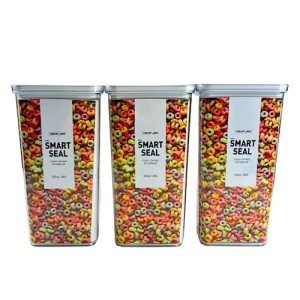
Maintenance & Troubleshooting
Proactive seal conditioning and the use of non-abrasive pH-neutral cleansers are the only ways to prevent permanent acrylic haze. Inspecting the gasket seated within the lid every six months allows you to identify early elasticity loss before food spoilage occurs due to air ingress.
Common Failure Modes
Even high-quality storage containers are subject to physical and chemical degradation over time, particularly when subjected to frequent mechanical use or improper cleaning chemicals.
- To prevent acrylic clouding, hand-wash units using microfiber cloths rather than abrasive pads to preserve the molecular surface finish.
- Minimize surface scratching by placing felt or silicone bumpers on the base of canisters that are frequently slid across stone countertops.
- Counteract seal compression fatigue by storing lids in the "unlocked" position when the containers are empty to allow the gasket to regain its shape.
- Avoid stress cracking by allowing canisters to reach room temperature before washing them after removal from a cold refrigerator.
- Address small hardware failure by periodically lubricating lid springs with food-grade silicone spray to ensure the locking pins don't seize.
- Prevent overload deformation by leaving at least a half-inch of headspace, ensuring the lid can seat fully without the contents exerting upward pressure on the locking mechanism.
Environmental Stress Factors
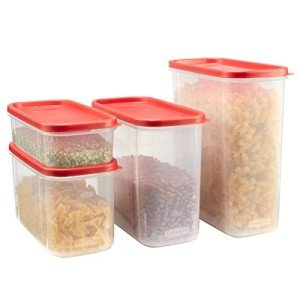
External variables in your kitchen or pantry can significantly impact the structural integrity and appearance of your modular canister set.
- Shield containers from high UV exposure by utilizing opaque pantry doors, as prolonged sunlight breaks down polymer bonds and triggers yellowing.
- Avoid a cleaner compatibility conflict by keeping canisters away from aerosolized oven cleaners, which can cause immediate chemical crazing on the plastic surface.
- In regions with high humidity acceleration, ensure gaskets are completely bone-dry before sealing to prevent moisture from becoming trapped in the airtight seal.
- Check for corrosion from salt exposure on lid springs if you live near the coast; a light coating of food-safe oil can protect these internal metal components.
Key Components
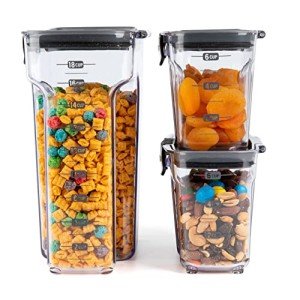
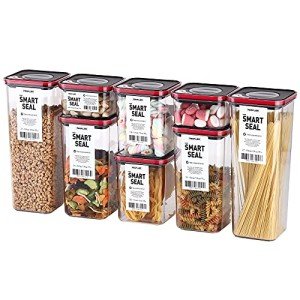
The performance of a modular canister relies on the synergy of its material composition and its mechanical sealing elements.
- The polymer shell acts as the primary load-bearing vessel and must be inspected for clarity and impact resistance.
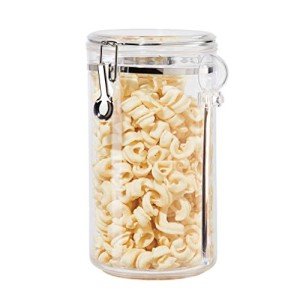
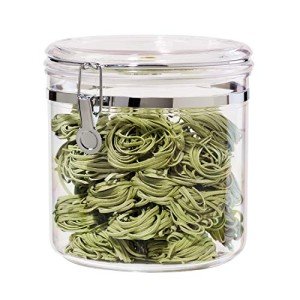
- The seal gasket system is the critical point of failure for freshness; look for high-grade silicone that resists permanent compression set.
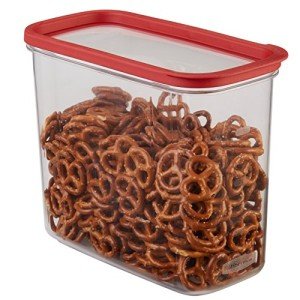
- Vertical stability is provided by the structural housing, which includes the recessed base and lid rim designed for secure stacking.
- The spring elastic component inside the lid provides the necessary force to engage the gasket against the container walls.
- A durable hinge pivot assembly is required for flip-top models to ensure the lid remains aligned through thousands of open-close cycles.
If you are planning a full pantry overhaul, you may also want to review the hardware durability and failure expectations for these related storage formats: