Maintenance & Troubleshooting
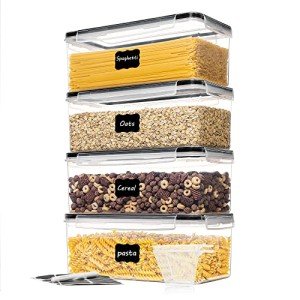
Extending the life of a vacuum-sealed container requires maintaining the supple texture of the gasket to prevent air leaks that lead to clumped sugar. Regularly inspecting the hinge pivot for stress whitening allows you to identify mechanical failure before the lid snaps during use.
Common Failure Modes
Mechanical fatigue and material degradation can compromise the vacuum seal of your pantry containers over time.
- Combat seal compression fatigue by storing the container with the lid unlocked when not in use to allow the elastomer to recover its original shape.
- Prevent stress cracking by avoiding the "Sanitize" cycle in dishwashers, as extreme thermal expansion is the leading cause of polymer fractures.
- To mitigate hinge fatigue, ensure the lid is perfectly aligned before engaging the locking tabs to prevent uneven torque on the plastic pins.
- Avoid elastomer hardening by hand-washing gaskets with mild soap; harsh degreasers strip the essential oils that keep the seal flexible.
- Reduce overload deformation by leaving at least one inch of headspace, preventing heavy contents from bowing the side walls and breaking the airtight contact.
- Address seal shrinkage by occasionally soaking the silicone ring in warm water to help it expand back into its designated track.
Environmental Stress Factors
External conditions in your kitchen or pantry play a significant role in how well your dry goods stay preserved.
- Counteract high humidity acceleration by placing a food-grade desiccant pack inside the vessel to absorb moisture that bypasses the primary seal.
- Minimize dust load interference by wiping the lid rim with a damp cloth weekly, ensuring no particulates break the airtight vacuum.
- Block high UV exposure by selecting opaque storage areas or tinted canisters to prevent the polymer from becoming brittle and yellowed.
Key Components
Every airtight container relies on a precision-engineered set of parts to maintain a controlled internal environment.
- The seal gasket is the primary barrier; high-quality units use multi-ribbed silicone to provide multiple points of contact against the rim.
- A rigid structural housing is necessary for vertical stacking, as it prevents the weight of upper bins from crushing the lids below.
- The hinge pivot assembly manages the leverage of the locking mechanism and should be checked for metal reinforcement or reinforced plastic.
- A high-grade polymer shell provides the impact resistance needed to survive a fall when the container is fully loaded with heavy flour.
- The dispensing mechanism often includes a pressure-relief valve that must be kept clear of fine powders to function correctly.
If you are researching bulk food preservation, you may also want to review the failure expectations and material durability for these related devices: