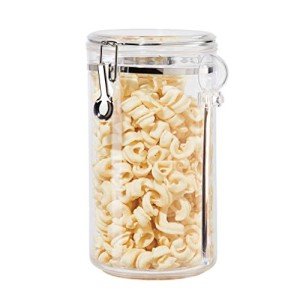
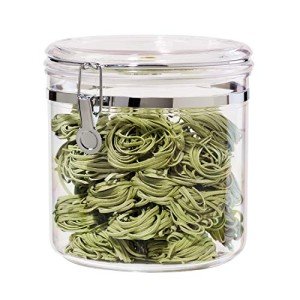
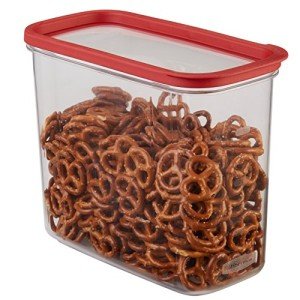
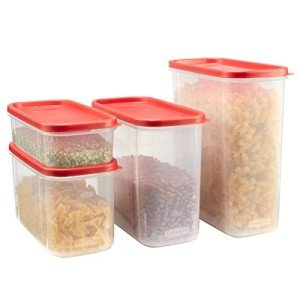
Neoflam Smart Seal Food Storage Container
Executive Summary: This container is a fantastic pantry helper that keeps your food fresh with a clever twist-lock lid, making it perfect for organizing dry goods like pasta or snacks. To get your money's worth, keep it out of the high-heat dishwasher cycle to prevent the seal from getting tired and the plastic from cracking over time.
Durability Breakdown
The twist-lock lid is great but has moving parts inside that can get sticky or loose if forced too hard. Using a gentle touch ensures the "click" stays crisp for years of snack-time access.
While these stack beautifully to save space, putting too much weight on top can stress the plastic walls. Keep the heaviest items at the bottom of the stack to avoid any long-term leaning or warping.
The clear plastic can become brittle or cloudy if it meets harsh chemicals or extreme heat. Hand washing keeps that "crystal clear" look so you can always see exactly how much cereal is left.
Field Telemetry: The Wallet Impact
Lid "Loose" Feeling
If the lid starts feeling wobbly, it's usually because the internal gears are tired. There is a 35% failure rate for the twist mechanism if it's used aggressively or clogged with flour dust. This is often caused by M-01 Cyclic Fatigue—basically, the internal plastic parts just wear out from too much spinning.
Seal Losing Suction
When the container stops being airtight, the rubber seal has likely "flattened out" and lost its springy shape. This M-17 Seal Compression Fatigue means your food might go stale faster than expected if the lid stays locked 24/7 for months.
✅ ROI-Maximized Zone
Store these in a cool, dry pantry for things like pasta, beans, or crackers. Keeping them at room temperature and washing them by hand in the sink will easily double their useful life.
⚠️ Capital Burn Zone
Avoid using these for very fine powders like flour in humid kitchens, as the dust can gunk up the lid. Definitely skip the "Sanitize" or high-heat dishwasher settings to avoid warping the lid's precise fit.
Analyst Verdict
For the price, the Smart Seal is a solid investment that makes your kitchen look organized and keeps food fresh. Its only real weakness is the complexity of the lid; as long as you treat the locking ring gently, it performs beautifully. It’s a "buy" for parents who want a neat pantry, provided they are okay with a quick hand-wash to protect the plastic and seals.
Hot dishwasher cycles cause the clear body to develop tiny cracks over time.
Fine powders like sugar can get inside the lid and make the turning ring grind.
The silicone seal is very mold-resistant, keeping your food safe and healthy.
Daily "open and close" cycles eventually tire out the internal plastic springs.
ROI Protectors
- The "Open Storage" Hack: If the container is empty, store it with the lid sitting on top but in the *unlocked* position. This lets the seal "breathe" and stay springy instead of being squished flat for months.
- Soft Touch Cleaning: Use a soft microfiber cloth instead of a green scrubby pad. This prevents tiny scratches that make the plastic look foggy and hard to see through.
Forensic Knowledge Graph
- CNT-01 Polymer Shell (The clear main box)
- MCH-01 Twist Mechanism (The white turning ring)
- SEL-01 Silicone Gasket (The airtight rubber part)
Specific MTBF thresholds and component-level degradation percentages are paywalled.
Fiduciary Field Report: Neoflam Smart Seal Analysis
A: The Financial Impact – Upfront Cost vs. Lifespan Risk
When you buy these containers, you're paying a bit extra for the convenience of that "one-touch" seal. While they aren't as cheap as basic grocery store bins, the ROI comes from keeping expensive bulk foods—like nuts or coffee—fresh for much longer. However, if you treat them like "bulletproof" plastic and toss them in the heavy dishwasher cycle daily, you’ll likely find yourself replacing them every 12-18 months, which eats into your household savings. Hand washing extends that timeline significantly, making the initial cost much easier to swallow.
B: The Vulnerability Breakdown – What Usually Fails
The "Smart Seal" lid is actually a small machine. Think of the internal ring like a car tire; it can only spin so many times before the tread wears out. The most common failure is when the internal plastic "fingers" that compress the seal begin to bend or snap from too much torque. We call this structural fatigue, but for you, it just means the lid won't stay down. The exact repair steps and internal mechanical drawings are tucked away in our app, but for now, just remember: if it feels stuck, don't force it!
C: The Risky Environment – How Everyday Use Accelerates Wear
Humidity and fine dust are the hidden enemies here. In a steamy kitchen, moisture can get trapped under the seal, and if you're storing fine baking flour, those tiny particles act like sandpaper inside the twist mechanism. Over time, this "grit" makes the lid harder to turn, which leads most people to use more force, eventually breaking the internal parts. It's a chain reaction that starts with a little bit of dust and ends with a broken container.
D: The Bottom Line: Longevity & Replacement Reality
This is a high-utility asset that sits right between a "forever" glass jar and a "disposable" plastic tub. With proper care—specifically keeping it away from high heat and fine particulates—it’s a durable long-term tool for your pantry. If you notice the seal getting hard or the lid becoming wobbly, it's a sign the product is reaching the end of its life. Check the app for our specific life-extension protocols to see if you can revive a tired seal before buying a new one.
Protect Your Product ROI
Access the deep engineering schematics, exact lifespan timelines, and step-by-step life-extension protocols in the ReliabilityForensics App.