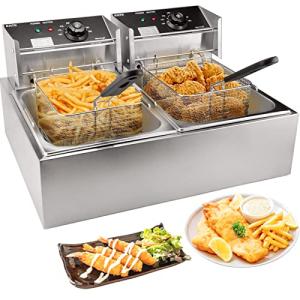
Maintenance & Troubleshooting
Preventing premature heater failure requires keeping the heating element fully submerged and free of carbonized food debris that acts as an insulator. Regularly wiping down the exterior vents prevents the buildup of sticky oil residue that traps heat inside the electrical housing and triggers safety shutdowns.
Common Failure Modes
Frequent use of compact frying equipment can lead to specific mechanical and electrical breakdowns that compromise food quality and safety.
- To prevent heater burnout, avoid "dry firing" the unit and ensure the oil level is always between the minimum and maximum markers before engaging power.
- Address relay fatigue by unplugging the unit when not in use to prevent idle current from wearing down the internal electrical switches.
- Correct temperature sensor drift by using an external probe thermometer to calibrate your cook times if the oil seems to be running too cool.
- Monitor for insulation breakdown by inspecting the power cord for signs of melting or extreme stiffness near the chassis entry point.
- Reduce hinge fatigue by refraining from slamming the lid or overloading the basket, which puts excessive torque on the plastic pivot points.
- Combat contact oxidation by storing the fryer in a dry pantry rather than a damp basement or under-sink area where steam can penetrate the controls.
- Manage seal compression fatigue by cleaning the lid gasket with a mild degreaser after every use to prevent oil from hardening and cracking the rubber.
Environmental Stress Factors
The kitchen environment presents unique challenges that can degrade the structural integrity and efficiency of mini-fryers.
- Mitigate dust load by using a vacuum attachment to clear the underside cooling vents every month, ensuring the internal electronics don't overheat.
- Prevent high humidity acceleration of rust by thoroughly drying the stainless steel body after cleaning and avoiding storage near a dishwasher.
- Avoid a cleaner compatibility conflict by using only non-abrasive soaps; citrus-based or heavy caustic cleaners can etch the metal and peel non-stick coatings.
Key Components
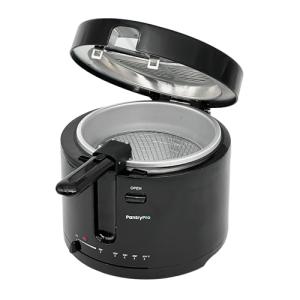
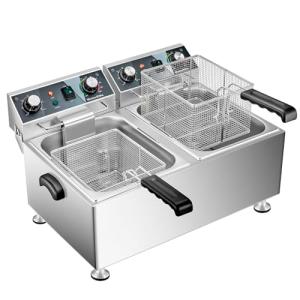
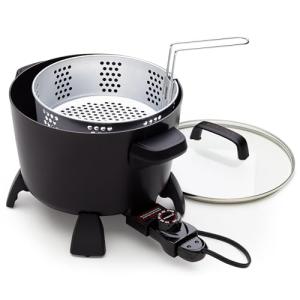
Each part of a mini-fryer is engineered to manage extreme heat while maintaining a compact, countertop-friendly footprint.
- The heating element is the high-wattage coil responsible for the rapid thermal recovery needed when frozen foods hit the oil.
- An internal relay switch assembly acts as the primary safety gate, cutting power if it detects a thermal runaway event.
- The insulation system uses high-density barriers to protect the user and the surrounding countertop from the 375°F internal temperatures.
- Precision accuracy depends on the sensor system, which feeds data to the thermostat to cycle the heater on and off.
- A durable polymer shell or stainless casing provides the structural rigidity needed to safely contain hot liquids.
- The wiring harness must be rated for high thermal resistance to prevent the wires from becoming brittle over years of heat exposure.
If you are researching high-heat kitchen hardware for small spaces, you may also find these technical maintenance guides helpful for your setup:
- Organize your oils and specialized frying thermometers with lazy Susans for easy countertop access.
- Store your frying salts and dry rubs efficiently using magnetic spice racks.
- Create more vertical space for your compact appliances by utilizing desktop shelf risers.
- Ensure your cleaning tools and baskets dry properly between uses with specialized sink caddies.