Maintenance & Troubleshooting
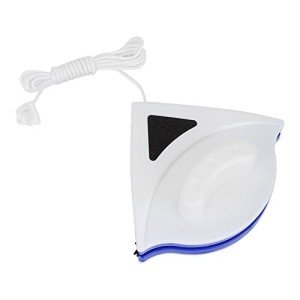
Regularly inspecting the tether line for UV-induced fraying is the only way to prevent a catastrophic exterior unit drop. To maintain a smooth glide, always apply a high-lubricity surfactant to the glass before the magnets engage to prevent friction-based stiction.
Common Failure Modes
Even the most robust magnetic tools can face performance issues if the physical properties of the cleaning system are compromised over time.
- Prevent glass microfracture by always using the plastic spacer block between the two halves when the tool is not in active use.
- Reduce abrasive wear by pre-rinsing the exterior glass with a water spray to remove heavy grit before engaging the magnetic pads.
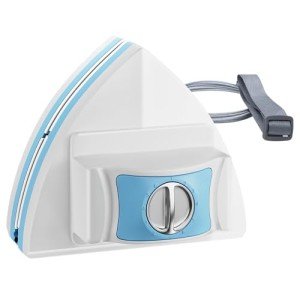
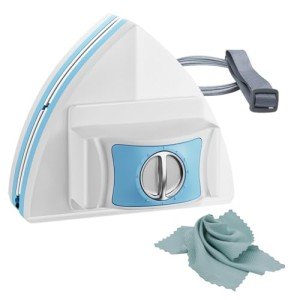
- Stop small hardware failure by checking the safety tether’s knot and the plastic mounting point for hairline fractures every month.
- Avoid adhesive bond failure by storing the device in a climate-controlled area, as extreme heat can liquefy the glues holding the magnets in place.
- Inhibit mold growth by removing the microfiber pads after each session and allowing them to air-dry completely in a ventilated space.
- Minimize stress cracking by loosening the adjustment knobs fully before storage to relieve tension on the primary structural body.
Environmental Stress Factors
External conditions significantly impact the magnetic force and the longevity of the cleaning pads during use.
- Protect against high UV exposure by keeping the safety rope and plastic casing out of direct sunlight, which prevents the nylon fibers from becoming brittle.
- Mitigate salt exposure in coastal environments by rinsing the tool with fresh water after every use to prevent corrosion on internal metal fasteners.
- Manage the dust load by using a "first pass" with a heavily saturated pad to lift particles before performing the final drying squeegee stroke.
- Counter hard water buildup by soaking the pads in a mild citric acid solution monthly to dissolve mineral deposits that cause streaking.
Key Components
Understanding the anatomy of your cleaner ensures you can identify which parts require replacement or specialized care.
- The polymer shell must be made of high-impact ABS to protect the brittle neodymium magnets from cracking during accidental drops.
- The glass panel interface needs a high-density microfiber buffer to ensure the magnetic force is distributed evenly across the surface.
- A specialized surfactant system is necessary for magnetic tools to provide the lubricity required for the magnets to slide without jumping.
- The seal gasket around the squeegee blade must be inspected for nicks, as any gap will leave water trails that require manual buffing.
- A robust fastener system is vital for the safety tether; look for stainless steel hardware that won't rust and weaken the connection.
Related Categories
If you are researching high-reach glass maintenance, you may also find the technical specifications for these related devices useful: