Maintenance & Troubleshooting
Preserving the loft and thermal conductivity of summer bedding requires a strict avoidance of high-heat drying, which can permanently melt the fine-denier synthetic fibers used in cooling shells. Regularly inspecting quilting points for loose threads prevents the internal fill from migrating, ensuring the comforter maintains a uniform thickness for consistent heat dissipation.
Common Failure Modes
Even the highest quality summer bedding can experience wear that impacts its thermal regulation and physical comfort over time.
- Prevent textile fiber thinning by using front-loading washers on a gentle cycle to minimize the mechanical abrasion that strips mass from the fabric.
- Stop stitch failure by inspecting the baffle-box seams monthly and repairing small snags before the internal fill begins to clump and migrate.
- Avoid mold growth by ensuring the comforter is 100% dry before placing it back on the bed, especially in humid climates where core moisture lingers.
- Mitigate polymer softening by air-drying or using a "no heat" setting; excessive heat can fuse synthetic cooling fibers, turning them scratchy and non-breathable.
- Reduce abrasive wear along the edges by utilizing a duvet cover to act as a sacrificial layer against skin friction and body oils.
- Prevent delamination of specialized finishes by skipping fabric softeners, which contain chemicals that can dissolve the bonded cooling treatments on the fabric surface.
- Counteract cushion collapse by tossing the comforter in a dryer on a "fluff" setting with clean tennis balls once a month to restore the loft of the internal fill.
Environmental Stress Factors
External conditions in your bedroom play a significant role in how well your summer comforter performs and lasts.
- Manage high humidity acceleration by running a dehumidifier; excessive ambient moisture saturates the fibers and prevents the evaporative cooling process.
- Protect against high UV exposure by keeping curtains drawn during peak daylight hours to prevent solar radiation from bleaching and making the natural fibers brittle.
- Solve pet hair clogging by using a lint roller or vacuuming the bedding weekly, as dander can seal the microscopic pores in the breathable weave.
- Avoid a cleaner compatibility conflict by using mild, pH-neutral detergents that won't strip the natural waxes or synthetic coatings required for moisture management.
Key Components
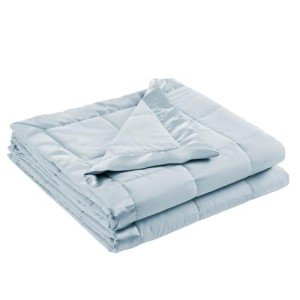
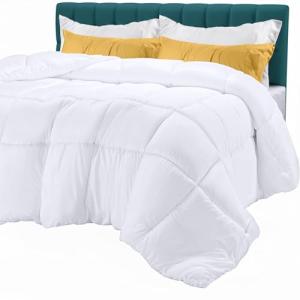
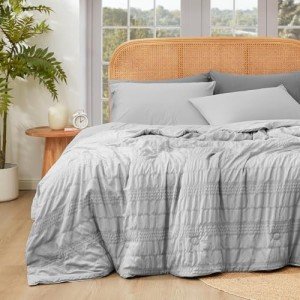
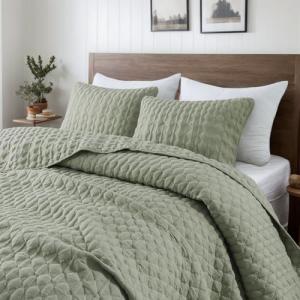
The engineering behind a lightweight comforter involves several critical layers that work together to provide cooling relief.
- The upholstery fabric layer serves as the primary contact point; look for high-surface-area weaves that promote rapid wicking.
- An integrated insulation system uses low-density fill to provide a tactile "tucked-in" sensation while allowing gas exchange.
- Advanced units use thermal interface material, such as phase-change coatings, to absorb and store heat during the initial stages of sleep.
- The structural housing, usually a box-stitch pattern, is vital for preventing the insulation from settling at the foot of the bed.
- Certain designs include a foam core for lightweight support; ensure this layer is perforated to prevent it from becoming a localized heat trap.
- The internal fastener system secures the fill to the corners; ensure these are reinforced to handle the weight of the damp comforter during laundry cycles.
Related Categories
If you are researching a total bedroom cooling setup, you may also want to review the failure expectations for these related categories: