Textile fiber thinning and the breakdown of moisture-wicking pores are the primary engineering hurdles facing high-performance duvet covers. While many consumers purchase these items for breathability, the reality is that aggressive laundering and friction often cause fibers to flatten or shear, creating a thermal barrier rather than a ventilation path. Choosing the right cover requires an understanding of how open-weave constructions resist structural warping under the weight of an insert. Our research focuses on the forensic durability of these textiles to ensure you select a material capable of maintaining its cooling properties through hundreds of wash cycles. If you want to skip the current market listings, you can go directly to our technical research sections below.
Breathable Duvet Covers
Keep your bedding fresh and comfy with breathable duvet covers that promote a good night's sleep
Product List
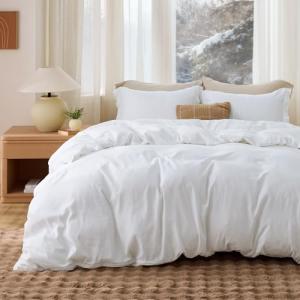
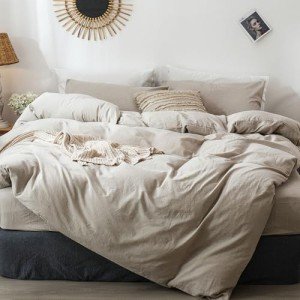
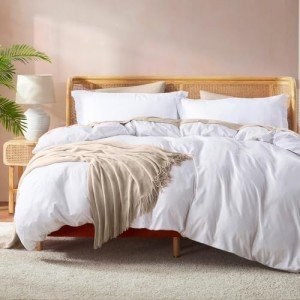
Heathered Cotton Duvet Set
Moomee
Product Review Score
4.36 out of 5 stars
196 reviews$69.99 $55.99
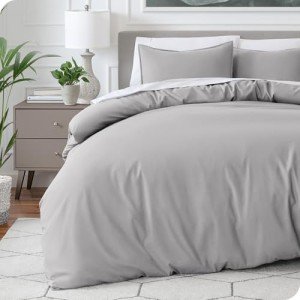
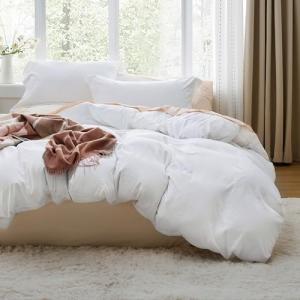
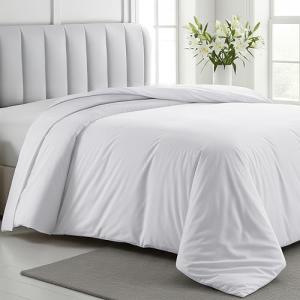
California Design Den Duvet - White
California Design Den
Product Review Score
4.16 out of 5 stars
230 reviews$49.99 $46.99
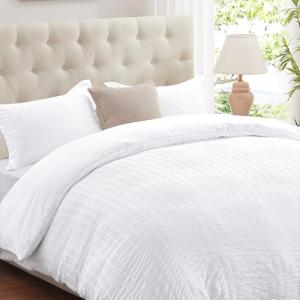
Quilted Queen Comforter Insert
Bedsure
Product Review Score
4.26 out of 5 stars
44 reviews$36.99 $31.33
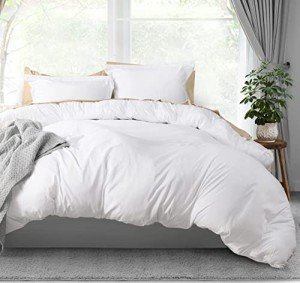
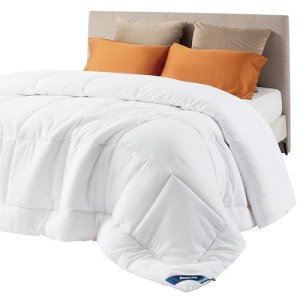
Queen Duvet Cover Set
Utopia Bedding
Product Review Score
4.23 out of 5 stars
216 reviews$16.61 $15.77
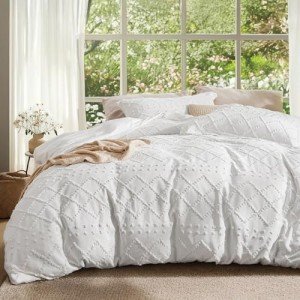
Maintenance & Troubleshooting
Maximizing the lifespan of high-thread-count cooling fabrics requires minimizing mechanical agitation and chemical buildup that coats the fibers. Consistent inspection of seam tension and fastener integrity prevents catastrophic fabric tears during routine handling.
Common Failure Modes
High-performance bedding faces unique mechanical and structural challenges that can compromise its cooling properties and physical integrity over time.
- Repeated friction during sleep and aggressive laundering cycles eventually lead to textile fiber thinning; use cold water and low-spin cycles to preserve the moisture-wicking pore structure.
- The internal support structures of heavier weighted duvets can cause structural warping; ensure your cover matches the exact dimensions of the insert to prevent uneven tension.
- The most frequent mechanical issue occurs when the duvet's corner ties or perimeter seams experience stitch failure; reinforce stress points with a simple needle and thread at the first sign of a loose loop.
- In humid bedrooms, poor air circulation between the insert and the shell may lead to mold growth; utilize a dehumidifier and hang the cover to air out weekly.
- Frequent high-heat drying sessions often result in heat warping; air dry or use the "no heat" setting to prevent synthetic fibers from melting and hardening.
- Over-tightening the closure system or snagging the fabric can cause an impact fracture in buttons; replace damaged hardware immediately to avoid snagging the surrounding fabric.
- The loss of vibrant color and crispness is usually a result of fabric fading; wash linens inside out to shield the outer face from abrasive contact and UV light.
Environmental Stress Factors
External conditions in your bedroom significantly dictate how well a breathable fabric performs its thermoregulating functions.
- Excessive moisture in the air creates high humidity acceleration; maintain a room humidity level below 50% to allow the fabric to successfully evaporate sweat.
- Placing your bed near windows can lead to high UV exposure; use UV-blocking window films or keep curtains drawn during peak sunlight to prevent fiber brittleness.
- Microscopic debris can settle into the fabric weave, creating a dust load; vacuum the surface of the duvet weekly using a specialized textile attachment to clear the airflow paths.
- Using incompatible bleach or fabric softeners creates a cleaner compatibility conflict; switch to pH-neutral detergents and skip softeners to prevent waxy buildup on the cooling yarns.
Key Components
A technical duvet cover is an assembly of specialized parts designed to facilitate heat transfer and maintain a secure fit.
- The outer upholstery fabric layer serves as the primary interface for temperature regulation and moisture wicking.
- Secure closures rely on a high-quality fastener system, typically utilizing hidden buttons or zippers to keep the insert encased.
- Internal corner ties act as a load bearing frame to prevent the duvet from bunching or shifting during use.
- Modern cooling covers often incorporate a thermal interface material to help conduct heat away from the body.
- The perimeter seams function as a structural housing, maintaining the flat, crisp shape of the bedding across the mattress.
- Enhanced airflow is often achieved through a specialized airflow ventilation system within the textile's specific knitting pattern.
Related Categories
If you are researching full-room setups, you may also want to review the failure expectations for these related devices: